Honey cappings serve as the protective seal for the honey stored within a beehive's comb. Produced by honeybees, these thin layers of beeswax act as airtight lids, securing the honey cells once the nectar has been fully processed and dehydrated.
Core Insight: While their biological function is preservation, honey cappings are a high-value byproduct for beekeepers. When properly rendered, they yield premium beeswax suitable for creating secondary market goods like candles and cosmetics.
The Biological Function and Composition
The Role of Preservation
The primary function of cappings is to hermetically seal the honeycomb. Bees produce these cappings only when the honey has reached the correct moisture content.
Preventing Spoilage
By capping the cells, bees protect the honey from absorbing atmospheric moisture. This prevents fermentation and keeps the honey stable for long-term storage within the hive.
Material Composition
Cappings are composed almost entirely of beeswax. This wax is secreted by the bees specifically for this purpose. Because it is freshly produced, capping wax is often lighter in color and purer than the wax found in the structural walls of the honeycomb.
Economic Value and Repurposing
Harvesting the Byproduct
In apiculture, cappings are removed (uncapped) to extract the honey. Rather than being discarded as waste, these parings are collected as a valuable resource.
Creating Value-Added Products
Once harvested, the cappings can be repurposed. The primary reference highlights that they are used to manufacture candles, lip balms, and skincare items. The high quality of capping wax makes it ideal for these cosmetic and aromatic applications.
Understanding the Trade-offs
The Requirement of Processing
Raw cappings cannot be used immediately after harvest. They are mixed with residual honey, propolis, and other hive debris.
Investment of Labor
To utilize cappings for commercial products, they must be rigorously cleaned and processed (rendered). This requires melting the wax and filtering out impurities. Beekeepers must weigh the potential profit from wax products against the time and energy required to render the cappings properly.
Maximizing the Value of Your Hive
- If your primary focus is product diversification: Invest time in rendering your cappings to create high-margin items like lip balms and skincare products.
- If your primary focus is operational efficiency: Collect and clean the cappings to sell as bulk blocks of beeswax, bypassing the labor of manufacturing finished goods.
Treat honey cappings not as debris, but as a secondary harvest that can significantly increase the profitability of your apiary.
Summary Table:
| Feature | Description |
|---|---|
| Primary Function | Airtight seal to prevent honey fermentation and moisture absorption |
| Composition | Pure, freshly secreted beeswax (often lighter and higher quality) |
| Biological Trigger | Applied only when honey reaches optimal moisture levels |
| Commercial Use | Production of candles, lip balms, skincare, and premium bulk wax |
| Processing Requirement | Must be rendered (melted and filtered) to remove residual honey and debris |
Scale Your Apiary’s Success with HONESTBEE
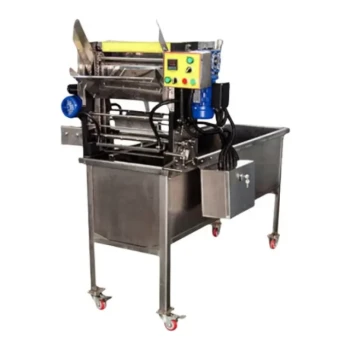
At HONESTBEE, we specialize in empowering commercial apiaries and distributors with the tools needed to turn raw hive byproducts into high-margin assets. Whether you are looking for industrial-grade wax rendering equipment, honey-filling machines, or automated uncapping solutions, we provide the comprehensive machinery and hardware essential for modern beekeeping.
From premium consumables to specialized hive-making technology, our portfolio is designed to enhance your operational efficiency and product quality. Contact us today to discuss how our wholesale offerings and industry expertise can streamline your production and help you dominate the market.
Related Products
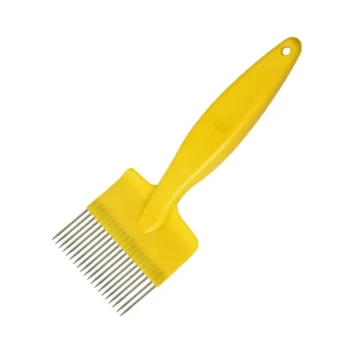
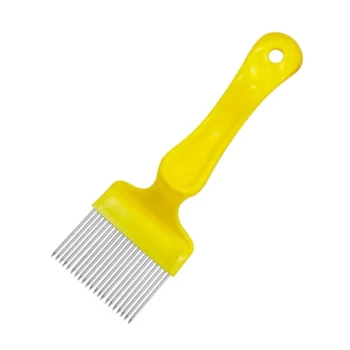
- Professional Durable Plastic Handle Honey Uncapping Fork
- Professional Honey Uncapping Roller for Efficient Harvesting
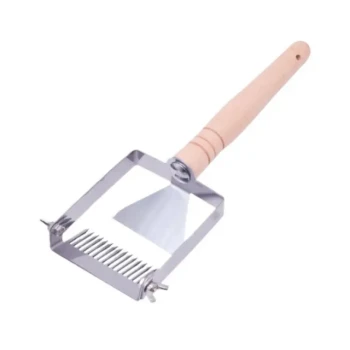
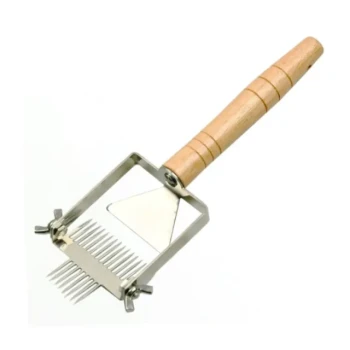
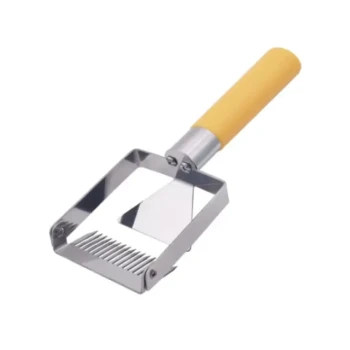
- Adjustable Stainless Steel Honey Uncapping Fork with Scraper for Beekeeping
- Adjustable Stainless Steel Honey Uncapping Fork with Scraper Beekeeping Tool
- Wide Adjustable Stainless Steel Honey Uncapping Fork with Scraper
People Also Ask
- What is the design purpose of honey uncapping forks and honey uncapping tanks? Maximize Your Harvest Efficiency
- How does a honey uncapping fork supplement the use of an uncapping knife? Boost Your Honey Yield and Extraction Efficiency
- What other tools are available for honey uncapping besides knives? Find the Right Tool for Your Apiary's Scale
- What tools are used for honey uncapping? Choose the Right Knife for Your Harvest
- What is the primary function of specialized honey uncapping tools? Maximize Your Extraction Yield and Efficiency