A beekeeper's hat and veil function as a critical defensive barrier, explicitly designed to shield the wearer’s head, face, and neck from insect attacks. By utilizing high-visibility mesh materials, this equipment ensures the user remains protected from stings without compromising the visual clarity required to safely manage a hive.
Core Takeaway The hat and veil provide essential protection for the body's most vulnerable areas while simultaneously allowing for precise work. They balance the need for an impenetrable physical seal against stinging insects with the necessity of airflow and unobstructed sightlines.
The Primary Mechanism of Defense
Shielding Sensitive Zones
The foremost purpose of the hat and veil is to defend the head and neck.
These anatomical areas are highly sensitive and rich in blood vessels, making stings there particularly painful and potentially dangerous. The veil creates a secure enclosure that prevents bees from reaching the skin.
Structural Integrity
To be effective, the veil must maintain a safe distance from the face.
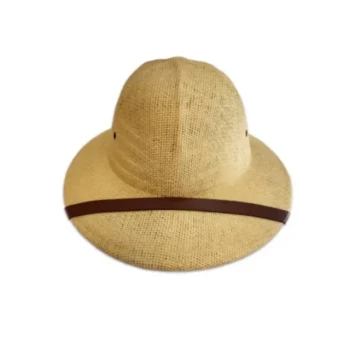
The wide-brimmed hat serves as the anchor, holding the mesh away from the skin so that a bee landing on the screen cannot reach the user. The mesh then drapes down to the shoulders, creating a comprehensive seal against intrusion.
Operational Functionality
High-Visibility Materials
Protection is useless if the beekeeper cannot effectively perform inspections.
The veil is constructed from see-through materials, often a high-visibility mesh. This design ensures the beekeeper can spot queens, eggs, and hive beetles without the protective gear impeding their view.
Breathability and Airflow
Beekeeping is often performed in warm weather, making heat management critical.
The mesh construction allows for essential airflow, preventing the wearer from overheating. This breathability ensures comfort during long inspections while maintaining a strict barrier against insects.
Versatility and Design Configurations
Detachable Designs
Modern beekeeping gear often emphasizes modularity.
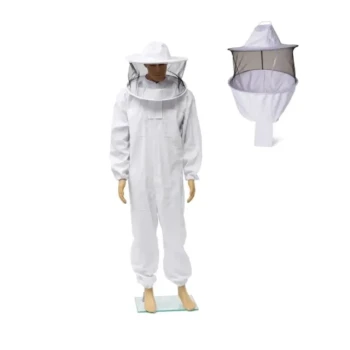
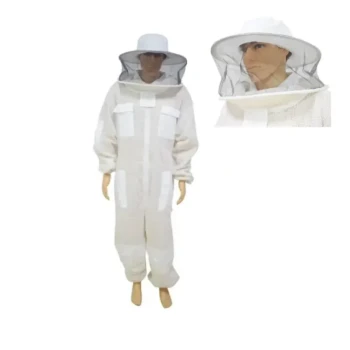
Many designs allow the hat and veil to detach from the jacket. This feature permits the beekeeper to remove the headgear for better visibility or cooling during breaks without removing the entire protective suit.
Multi-Purpose Utility
While specialized for apiaries, the functional design of the hat and veil extends to other outdoor environments.
The fine mesh offers effective protection against mosquitoes and other pests. This makes the gear suitable for activities such as gardening, hiking, fishing, and camping where insect defense is required.
Understanding the Trade-offs
Visibility Constraints
While high-visibility mesh is standard, it is not invisible.
In certain lighting conditions, particularly direct sunlight, the mesh can create glare or slightly obscure fine details. The beekeeper must learn to look "through" the mesh rather than at it.
The Risk of Connection Failure
Detachable veils offer convenience, but they introduce a potential point of failure.
If the zipper or connection point between the veil and the jacket is not fully secured, it creates a gap where bees can enter. Integrated (non-detachable) hoods eliminate this risk but sacrifice the ability to cool down quickly.
Making the Right Choice for Your Goal
When selecting a hat and veil, consider your specific operational needs:
- If your primary focus is safety during long inspections: Prioritize a veil that integrates or zips securely to a full jacket to eliminate any risk of gaps at the neck.
- If your primary focus is versatility and cooling: Look for a detachable model with a wide brim that keeps the mesh well away from your face for maximum airflow.
- If your primary focus is general outdoor pest control: A simple standalone hat and veil without jacket attachment points will suffice for mosquito protection during hiking or gardening.
Select the gear that provides the maximum protection you can tolerate while maintaining the visibility you need to work effectively.
Summary Table:
| Feature | Primary Function | Key Benefit |
|---|---|---|
| Mesh Screen | Creates a physical barrier | Prevents stings while maintaining clear sightlines |
| Wide Brim Hat | Acts as a structural anchor | Keeps the veil away from skin to prevent contact stings |
| Breathable Fabric | Facilitates airflow | Prevents overheating during warm weather inspections |
| Modular Design | Detachable zippers/seals | Offers versatility and ease of cooling during breaks |
Elevate Your Apiary Safety with HONESTBEE
Protect your team and your harvest with professional-grade gear. HONESTBEE specializes in supporting commercial apiaries and distributors with high-quality, wholesale beekeeping solutions.
From protective hats and veils to advanced honey-filling machines and specialized hive-making hardware, we supply the full spectrum of equipment and consumables needed to scale your operations.
Ready to upgrade your inventory? Contact us today to discover how our comprehensive portfolio and wholesale expertise can drive value for your business.
Related Products
- Beekeeper Cowboy Hat and Veil for Beekeeping
- Premium Cowboy Beekeeper Hat with Visibility Veil Outdoor Professional Beekeeping Protective Gear
- High-Definition Beekeeper Hat with Round Veil Mesh for Beekeeping
- White Cotton Beekeeping Jacket and Veil for Bee Keepers
- Rigid Pith Style Beekeeper Hat for Square Folding Veils
People Also Ask
- What is the correct way to wash a beekeeping hat and veil? Safe Hand-Washing Guide to Protect Your Gear
- What are the components and importance of a beekeeper's hat and veil? Essential Safety Gear for Apiary Success
- What are the differences between a separated and an attached beekeeping hat and veil? Security vs. Versatility
- What are the design specifications for an effective beekeeping hat and veil? Professional Standards for Protection
- What is the function of a beekeeping hat and veil? Essential Protection for Safe Hive Management