A commercial pollen trap functions as a specialized mechanical filter installed at the entrance of a beehive. Its primary role in pesticide monitoring is to physically scrape pollen pellets from the hind legs of returning worker bees, allowing researchers to collect raw environmental samples without harming the bees or opening the hive.
The core value of a pollen trap lies in its ability to capture real-time chemical data at the colony's entry point. By intercepting pollen before it is stored, researchers can utilize analytical techniques like LC-MS/MS to precisely quantify the pesticide residues honeybees are actively bringing in from the field.
The Mechanics of Collection
The Physical Barrier
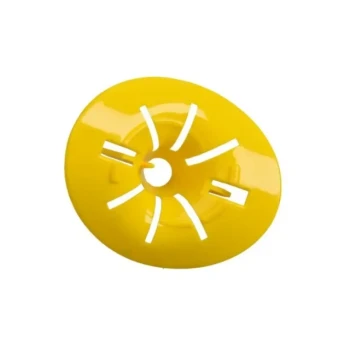
The device relies on a specific aperture grid or mesh placed directly across the hive entrance.
As returning foragers attempt to enter the colony, they are forced to crawl through these narrow openings.
Separation and Capture
The size of the grid is calibrated to allow the bee's body to pass while obstructing the pollen pellets stored in the pollen baskets on their hind legs.
This mechanical friction scrapes the pellets off, causing them to fall into a protected collection tray below for later analysis.
Non-Invasive Sampling
Crucially, this method allows for source sampling without requiring the sacrifice of the bees.
Because the trap is external, it permits the collection of biological material without disrupting the internal structure or normal activities of the colony.
Scientific Application: Why It Matters
Quantifying Environmental Risk
The collected pollen serves as a direct proxy for the field environment.
By analyzing these pellets, scientists can determine exactly which target fields or plant sources the bees have visited on a given day.
High-Fidelity Chemical Analysis
The raw pollen provides sufficient material for advanced laboratory techniques, specifically Liquid Chromatography-Tandem Mass Spectrometry (LC-MS/MS).
This allows for the detection of minute concentrations of pesticide residues, providing a clear picture of the toxic load being ingested by the colony.
Real-Time Exposure Monitoring
Unlike analyzing stored "bee bread" (which may be weeks old), trap pollen represents the immediate exposure timeframe.
This enables researchers to correlate pesticide presence with specific agricultural spraying events or seasonal blooms.
Understanding the Trade-offs
External vs. Internal Data
It is important to recognize that a pollen trap measures potential exposure (what enters the hive), not necessarily the metabolized toxicity within the bee.
While it confirms the presence of pesticides in the foraging area, it does not measure how much of that chemical burden has already been absorbed by the bee during flight.
Mechanical Limitations
The efficacy of the trap depends on the physical integrity of the grid and the size of the pollen loads.
Inconsistent pellet sizes or damaged grids can lead to sample variability, meaning the collected material represents a significant subset, but not necessarily 100%, of the incoming pollen.
Making the Right Choice for Your Goal
When designing a monitoring study, the pollen trap is your frontline tool for data acquisition.
- If your primary focus is Environmental Surveillance: Use pollen traps to identify specific plant sources and map the geographic spread of pesticide application.
- If your primary focus is Toxicity Quantification: Rely on the trap to provide the raw biomass needed for LC-MS/MS analysis to measure precise residue concentrations.
Ultimately, the commercial pollen trap bridges the gap between field activity and laboratory analysis, transforming a biological process into a measurable data stream.
Summary Table:
| Feature | Function in Monitoring | Key Benefit |
|---|---|---|
| Aperture Grid | Physically scrapes pollen pellets from bees | Collects raw environmental samples non-invasively |
| Collection Tray | Houses intercepted pollen samples | Protects biomass from contamination for lab analysis |
| Temporal Accuracy | Captures immediate forage data | Correlates exposure with specific spraying events |
| Source Sampling | Acts as a proxy for field environment | Identifies specific plant sources and chemical load |
Maximize Your Colony Health with HONESTBEE Precision Equipment
At HONESTBEE, we understand the vital role that accurate data plays for commercial apiaries and professional distributors. Whether you are conducting environmental surveillance or scaling your operations, our comprehensive wholesale portfolio offers the specialized tools you need.
From durable pollen traps and hive-making machinery to advanced honey-filling equipment and essential consumables, we supply the full spectrum of beekeeping hardware to enhance your productivity and research accuracy. Our expertise ensures you receive industrial-grade solutions tailored to the modern beekeeping industry.
Ready to elevate your apiary's efficiency? Contact HONESTBEE today to discuss our wholesale offerings and discover how our equipment can support your success.
References
- Simone Tosi, Giovanni Guido. A 3-year survey of Italian honey bee-collected pollen reveals widespread contamination by agricultural pesticides. DOI: 10.1016/j.scitotenv.2017.09.226
This article is also based on technical information from HonestBee Knowledge Base .
Related Products
- Removable Plastic Pollen Trap With Ventilated Tray for Bees Pollen Collector
- 30 cm Plastic Entrance Hole Bee Pollen Trap and Collector
- Plastic Bee Pollen Trap Strips Comb Catcher Collector
- 8 Frame and 10 Frame Propolis Trap Collector Screen for Propolis Collection
- Professional Bucket Style Wasp and Moth Pheromone Trap
People Also Ask
- What are the design principles and advantages of pollen traps in the collection of bee pollen? Boost Your Apiary Yield
- What is the function of professional pollen traps in evaluating honey plants? Quantifying Pollination and Crop Potential
- What functions do pollen traps serve for bee bread production? Optimize Your Raw Material Collection
- What maintenance and pest prevention measures should be taken for pollen traps? Protect Your Hive and Harvest Quality
- How does the use of pollen traps in honeybee hives enhance crop fertilization? Boost Your Yield Through Induced Activity