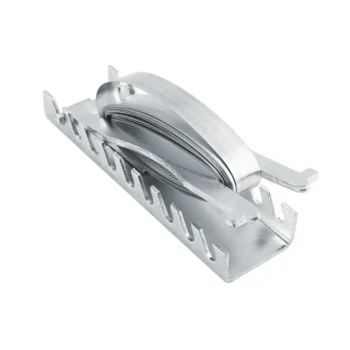
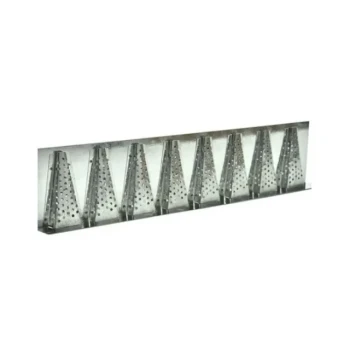
The primary function of a mouse guard is strictly defensive: it serves as a physical barrier designed to stop mice from entering a honey bee hive. By securing the hive entrance, it protects the colony’s infrastructure and population from the chaos caused by rodent intrusion.
Why this matters: Mice naturally seek out beehives as warm nesting sites, but their presence can be devastating. A mouse guard is the essential tool to prevent the destruction of honeycomb and the dangerous disturbance of the colony.
The Critical Role of Exclusion
Deterring Unwanted Tenants
Mice are opportunistic and are often attracted to beehives because they offer a reliable source of warmth.
For a mouse, a hive represents an ideal, sheltered environment to build a nest. The mouse guard acts as the gatekeeper, rendering the hive inaccessible to these rodents while allowing bees to pass.
Preserving the Honeycomb
One of the most destructive consequences of a mouse invasion is the physical damage to the hive's interior.
Mice will chew through and destroy the honeycomb to create space for their nests or to access food. Installing a guard ensures that the delicate wax structures—and the resources stored within them—remain intact.
Minimizing Colony Stress
Beyond physical damage, the mere presence of a mouse causes significant disturbance to the colony.
Honey bees require a stable environment to survive and thrive. By excluding mice, the guard allows the colony to maintain its cluster and daily operations without the stress of defending against a large intruder.
The Cost of Inaction
While a mouse guard is a simple device, failing to utilize one involves a significant gamble with the colony's survival.
The "Trade-off" is Risk: Without a guard, you leave the hive vulnerable to becoming a nesting site. The cost of this oversight is often the loss of valuable comb and a weakened, stressed colony struggling to cope with an internal invader.
Making the Right Choice for Your Goal
To ensure the longevity of your colony, consider the following regarding the use of mouse guards:
- If your primary focus is Infrastructure Protection: Install a mouse guard to physically block rodents from chewing through and destroying your honeycomb.
- If your primary focus is Colony Health: Use a guard to eliminate the stress and disturbance caused by nesting mice, ensuring a calm hive environment.
Proactive exclusion is always more effective than attempting to repair the damage of an invasion.
Summary Table:
| Feature | Primary Function | Key Benefit to Beekeeper |
|---|---|---|
| Physical Barrier | Blocks mice while allowing bee passage | Prevents nest-building and internal hive damage |
| Comb Preservation | Stops rodents from chewing through wax | Saves investment in foundation and stored honey |
| Colony Stability | Eliminates large-animal disturbance | Minimizes bee stress and prevents cluster disruption |
| Seasonal Protection | Secures entrance during low-activity periods | Ensures colony survival and infrastructure integrity |
Secure Your Apiary Success with HONESTBEE
Don't let preventable rodent damage undermine your honey production or colony health. HONESTBEE specializes in supporting commercial apiaries and distributors with a robust selection of professional-grade beekeeping tools, machinery, and essential consumables.
Whether you need specialized hive-making machines to build durable equipment or the hardware required to protect your investment, we provide the wholesale expertise you need to scale efficiently. From specialized hardware to honey-themed cultural merchandise, we are your comprehensive industry partner.
Ready to upgrade your operation? Contact us today to discuss our full spectrum of beekeeping solutions!
Related Products
People Also Ask
- What are the types of Emlocks available? Choose the Right Strap for Hive Security
- How does the performance of ratchet straps compare to cam buckle straps for securing beehives? Expert Comparison Guide
- What role do standardized beehive fastening and protective consumables play? Secure Colonies Against Natural Disasters
- What are the two styles of hive straps? Choose the Right Strap for Your Hive Security
- How should hive straps be stored? Prevent Tangles & Extend Strap Life