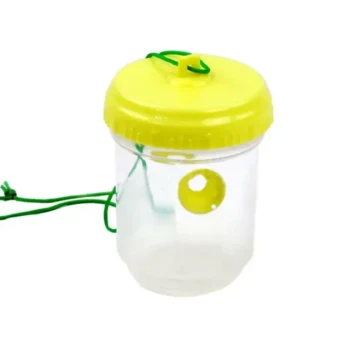
A Pollen Trap functions as a precision mechanical harvester installed directly at the beehive entrance. In the context of large-scale chestnut bee pollen collection, its primary role is to utilize a mechanical grid to physically intercept foraging bees and dislodge pollen baskets from their hind legs. This hardware is critical for ensuring the collected material maintains the high purity and freshness required to produce standardized raw materials for industrial processing.
By leveraging the natural entry behavior of bees, the Pollen Trap automates the separation of biological material. It transforms variable foraging yields into consistent, granular raw material suitable for commercial supply chains without utilizing chemical extraction or harming the colony.
The Mechanics of Extraction
The Grid Barrier System
The core mechanism of the trap is a physical barrier, typically a grid or sieve plate with specifically sized openings. As worker bees attempt to pass through these grids to enter the hive, the clearance is sufficient for the bee’s body but too narrow for the pollen pellets attached to their hind legs.
Physical Separation
The mechanical action of the bee squeezing through the grid physically scrapes or strips the pollen pellets off. This contact-based removal is immediate and requires no external power source, relying entirely on the bee's movement.
Passive Collection
Once dislodged, the pollen pellets fall via gravity into a designated collection tray located beneath the grid mechanism. This isolates the biological product immediately, preventing it from being tracked into the hive where it could be consumed or contaminated.
Industrial Application for Chestnut Pollen
Ensuring Material Purity
In large-scale operations, preventing contamination is paramount. The Pollen Trap ensures that the chestnut pollen is harvested at the point of entry, maintaining a high level of purity before it interacts with the internal hive environment.
Preserving Freshness
Chestnut pollen is a biological product sensitive to degradation. By intercepting the pollen immediately upon the bee's return, the trap allows for rapid collection and preservation of freshness, which is essential for the quality of the final commercial product.
Standardization for Processing
The primary reference highlights that this hardware provides standardized raw materials. For industrial processing, inconsistent "clumps" of pollen are difficult to manage; the trap produces a granular, uniform output that can be easily fed into drying, cleaning, or packaging machinery.
Understanding the Trade-offs
Colony Nutrition vs. Harvest Yield
While the goal is large-scale collection, a trap cannot harvest 100% of the pollen. Supplementary data suggests effective traps are designed to collect approximately 50% of loads, ensuring the colony retains enough protein to survive and continue foraging.
Impact on Bee Traffic
The installation of a physical barrier alters the entrance dynamic of the hive. While designed to be non-destructive, the grid does create resistance, which can slightly slow down the entry process for returning foragers compared to an open flight entrance.
Making the Right Choice for Your Goal
To optimize your chestnut pollen harvesting operation, consider how the trap aligns with your specific production metrics:
- If your primary focus is Industrial Consistency: Prioritize traps with rigid, uniform grid dimensions to ensure every pellet collected meets the "standardized raw material" criteria for processing equipment.
- If your primary focus is Biological Quality: Select traps that emphasize "high purity" isolation trays to maximize freshness and reduce cleaning time after harvest.
The Pollen Trap is not just a collector; it is the fundamental hardware filter that converts a biological activity into a scalable industrial process.
Summary Table:
| Feature | Function in Pollen Harvesting | Industrial Benefit |
|---|---|---|
| Grid Barrier | Mechanically strips pollen pellets from bees' legs | High purity & minimal debris |
| Passive Tray | Collects dislodged pollen via gravity | Prevents internal hive contamination |
| Sieve Precision | Standardizes the size of collected granules | Ready for automated processing |
| Yield Control | Balances harvest (approx. 50%) and colony health | Sustains long-term production |
Scaling Your Pollen Production? Partner with HONESTBEE
At HONESTBEE, we understand that commercial success in the beekeeping industry requires more than just bees—it requires precision hardware. We cater to commercial apiaries and global distributors by providing a comprehensive wholesale range of beekeeping tools, specialized hive-making machinery, and honey-filling solutions.
Whether you are looking to source high-efficiency pollen traps for chestnut pollen harvesting or need a full spectrum of industry consumables, our portfolio is designed to enhance your operational efficiency. Let us help you convert biological activity into a scalable, high-quality industrial process.
Contact HONESTBEE Today for Wholesale Solutions
References
- Annamaria Ranieri, Angelo Canale. Freeze-drying duration influences the amino acid and rutin content in honeybee-collected chestnut pollen. DOI: 10.1016/j.sjbs.2017.08.011
This article is also based on technical information from HonestBee Knowledge Base .
Related Products
- Removable Plastic Pollen Trap With Ventilated Tray for Bees Pollen Collector
- 30 cm Plastic Entrance Hole Bee Pollen Trap and Collector
- Plastic Bee Pollen Trap Strips Comb Catcher Collector
- High-Efficiency Diamond Maze Bee Escape for Clearing Supers
- Professional Bucket Style Wasp and Moth Pheromone Trap
People Also Ask
- What are the design principles and advantages of pollen traps in the collection of bee pollen? Boost Your Apiary Yield
- What is the function of professional pollen traps in evaluating honey plants? Quantifying Pollination and Crop Potential
- What functions do pollen traps serve for bee bread production? Optimize Your Raw Material Collection
- What maintenance and pest prevention measures should be taken for pollen traps? Protect Your Hive and Harvest Quality
- How does the use of pollen traps in honeybee hives enhance crop fertilization? Boost Your Yield Through Induced Activity