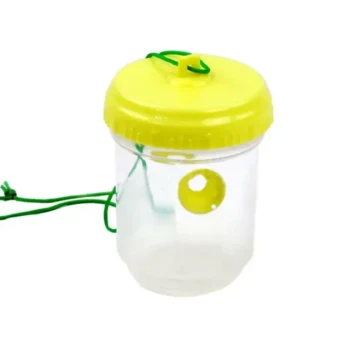
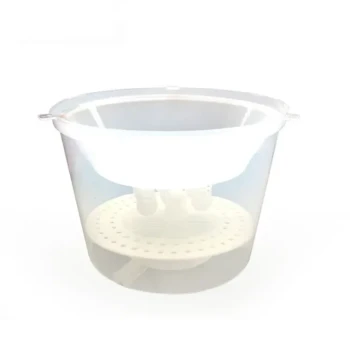
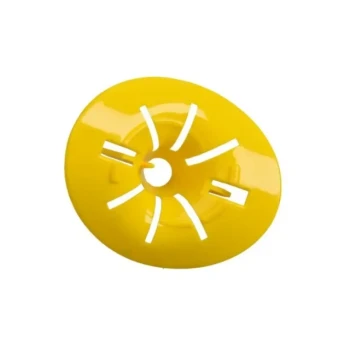
A pollen trap is the primary mechanical interface used to harvest raw bee pollen at the source. Installed at the entrance of a beehive, its function is to utilize a physical barrier with precise aperture specifications to strip pollen pellets from the hind legs of returning worker bees. This process allows for the automated collection of raw material while maintaining the physical safety of the insects.
By effectively separating pollen from the forager without injury, the pollen trap establishes the preliminary purity and physical integrity that serves as the critical foundation for all subsequent deep processing stages.
The Mechanics of Extraction
Precise Aperture Barriers
The core function of the trap relies on a grid or barrier containing specifically sized apertures.
These openings are engineered to be large enough for a worker bee to pass through, but too narrow to accommodate the pollen pellets attached to their hind legs.
Non-Destructive Separation
As the bee forces its way through the aperture, the mechanical obstruction gently scrapes the pollen pellets off.
This design is critical because it separates the yield without causing physical harm or stress to the insect, ensuring the workforce remains healthy for future foraging.
Collection and Containment
Once dislodged, the pollen pellets fall through a secondary screen into a designated collection tray or box located beneath the main entrance.
This isolates the harvested pollen immediately, preventing the bees from retrieving it and reducing the introduction of internal hive debris.
Ensuring Material Quality
Establishing Preliminary Purity
The design of the pollen trap acts as a filter that maximizes the collection of raw material while minimizing environmental impurities.
By stripping the pollen at the entrance, the trap prevents the introduction of hive-specific contaminants, such as wax or propolis, into the harvest.
Preserving Physical Integrity
For bee pollen to undergo deep processing effectively, the pellets must remain intact during harvesting.
The pollen trap ensures the physical integrity of the raw pollen is maintained, delivering whole, uncrushed pellets that are suitable for cleaning, drying, and packaging.
Understanding the Trade-offs
Balancing Yield and Colony Health
While high-performance traps can significantly increase annual yields—sometimes reaching 36kg per colony—they physically restrict the food supply entering the hive.
Operators must manage the usage of these traps carefully. Overuse can starve the brood of necessary protein, negatively impacting colony development.
Selective Accessibility
Most traps include a mechanism, such as a sliding grille or lift, to disengage the barrier.
This allows beekeepers to alternate between harvesting modes and open access, which is necessary to allow full pollen entry for the colony and unimpeded passage for larger drones.
Making the Right Choice for Your Goal
To maximize the efficacy of a pollen trap, align your usage strategy with your production objectives:
- If your primary focus is Commercial Processing: Prioritize traps with high-precision apertures to ensure maximum pellet integrity and minimal debris for downstream processing.
- If your primary focus is Colony Sustainability: Implement a rotational schedule (e.g., collecting only between 6:00 AM and 11:00 AM) to ensure the hive retains sufficient resources for growth.
Success in pollen harvesting depends on viewing the trap not just as a collection tool, but as a precision filter that balances production efficiency with the biological needs of the hive.
Summary Table:
| Feature | Function & Purpose | Impact on Production |
|---|---|---|
| Aperture Grid | Mechanically strips pollen pellets from bee legs | Ensures automated collection and high yield |
| Collection Tray | Isolates pollen in a clean, secondary container | Prevents contamination from hive debris |
| Adjustable Grille | Allows for selective access or drone passage | Balances commercial harvest with colony health |
| Non-Destructive Design | Separates pellets without injuring worker bees | Maintains workforce vitality for future foraging |
Scale Your Pollen Production with HONESTBEE
At HONESTBEE, we understand that commercial apiary success relies on the perfect balance of efficiency and colony sustainability. As a leading provider for distributors and commercial beekeeping operations, we supply a comprehensive range of high-precision pollen traps, harvesting machinery, and essential consumables designed to maximize your output.
Whether you are looking to source specialized hive-making equipment or need a reliable wholesale partner for professional beekeeping tools, our team is here to support your growth. Contact us today to explore our full-spectrum wholesale solutions!
References
- Polissia National University, University of Agricultural Sciences and VeterinaryMedicine Cluj-Napoca. NUTRITION BIOLOGICAL VALUE AND SAFETY OF POLLEN AS A FACTOR IN FOOD SYSTEM TRANSFORMATION. DOI: 10.64378/iriush.sc.2025.1.14
This article is also based on technical information from HonestBee Knowledge Base .
Related Products
- Removable Plastic Pollen Trap With Ventilated Tray for Bees Pollen Collector
- 30 cm Plastic Entrance Hole Bee Pollen Trap and Collector
- Plastic Bee Pollen Trap Strips Comb Catcher Collector
- High-Efficiency Diamond Maze Bee Escape for Clearing Supers
- 8 Frame and 10 Frame Propolis Trap Collector Screen for Propolis Collection
People Also Ask
- What are the design principles and advantages of pollen traps in the collection of bee pollen? Boost Your Apiary Yield
- What is the function of professional pollen traps in evaluating honey plants? Quantifying Pollination and Crop Potential
- What functions do pollen traps serve for bee bread production? Optimize Your Raw Material Collection
- What maintenance and pest prevention measures should be taken for pollen traps? Protect Your Hive and Harvest Quality
- How does the use of pollen traps in honeybee hives enhance crop fertilization? Boost Your Yield Through Induced Activity