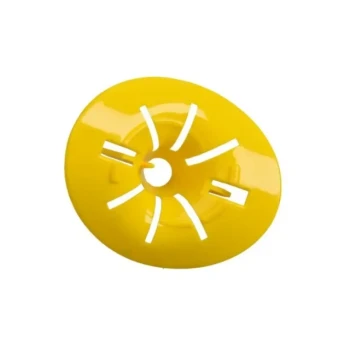
The pollen trap functions as a mechanical interception device installed at a beehive entrance to strip pollen pellets from returning honeybees. By utilizing specialized screens or grids with precise apertures, the trap physically dislodges the pollen from the bees' hind legs into a collection tray, enabling researchers to obtain large-scale, non-destructive samples for analysis without harming the colony or disrupting its internal structure.
This essential research tool provides a reliable method for capturing real-time data on environmental health and colony nutrition. For professional distributors, offering high-precision pollen traps is key to supporting advanced apicultural studies and large-scale commercial monitoring.
The Mechanical Logic of Pollen Interception
Precision Grid Engineering
The core of a pollen trap is a grid with specific pore sizes designed to allow a honeybee to pass through while providing just enough friction to scrape off the pollen pellets (corbiculae). This mechanical stripping ensures a high collection efficiency while maintaining the physical integrity of the insects.
Non-Destructive Collection Systems
Once dislodged, the pellets fall into a protected collection box located beneath the entrance. This design allows for the continuous sampling of raw pollen without requiring researchers to open the hive or manipulate the brood nest, preserving the colony's natural thermal and social balance.
Ensuring Sample Purity
High-quality pollen traps are engineered to isolate the harvested pollen from hive debris and external contaminants. This initial purity is critical for downstream applications, ensuring that the collected "bee bread" reflects the exact floral sources and environmental conditions of the foraging area.
Critical Research Applications
Pesticide Exposure and Chemical Analysis
Pollen traps are the primary tool for monitoring a colony’s daily exposure to agricultural chemicals. By analyzing the captured samples, researchers can identify specific pesticide residues and determine the exact timing and intensity of chemical risks within a foraging radius.
Botanical Diversity and Origin Mapping
The collected samples allow for palynological analysis to determine which plant species are being visited. This data is vital for assessing local biodiversity, mapping floral availability, and verifying the botanical origin of honey produced in the region.
Assessing Colony Nutritional Intake
Researchers use the total weight of collected pollen to quantify a colony's protein intake over a specific timeframe. This serves as a primary indicator of foraging efficiency and helps evaluate how environmental stressors or new beekeeping technologies impact the colony's long-term health.
Understanding the Trade-offs
The Risk of Nutritional Stress
While pollen traps are non-destructive, they physically limit the amount of protein entering the hive. If left active for extended periods without interruption, they can lead to nutritional deficiencies that hinder brood rearing and colony growth.
Maintenance and Efficiency Variables
Traps require regular clearing to prevent mold growth in the collection trays and to ensure the grids remain unobstructed. Additionally, different honeybee subspecies vary in size, meaning a "one-size-fits-all" grid may lead to either low collection rates or physical damage to larger foragers.
Sourcing Strategies for Professional Resellers
How to Select Equipment for Your Inventory
To provide the best value to research institutions and commercial apiaries, distributors must focus on sourcing hardware that balances collection efficiency with colony safety.
- If your primary focus is high-precision research: Prioritize traps with interchangeable grids of varying aperture sizes to accommodate different bee species and research goals.
- If your primary focus is large-scale commercial collection: Source durable, high-capacity models that emphasize rapid order fulfillment and ease of cleaning for the end-user.
- If your primary focus is environmental monitoring: Offer complete kits that include secure, weather-resistant collection trays to prevent sample degradation in the field.
By integrating these specialized tools into a full-spectrum product portfolio, distributors can demonstrate deep industry expertise and provide the rapid-response solutions that modern apicultural research demands.
Summary Table:
| Feature | Mechanical Function | Research & Commercial Value |
|---|---|---|
| Precision Grid | Strips pollen pellets via calibrated friction | Ensures high-efficiency, non-destructive sampling |
| Collection Tray | Captures and protects raw pollen samples | Maintains purity for pesticide & botanical analysis |
| Aperture Logic | Allows bee passage while scraping legs | Monitors colony nutritional intake & protein levels |
| Modular Design | Fits various hive entrance configurations | Supports large-scale environmental monitoring & data |
Scale Your Inventory with HONESTBEE’s Professional Solutions
As a leading global partner for distributors, wholesalers, and B2B resellers, HONESTBEE provides the full spectrum of beekeeping tools and machinery needed to support advanced research and commercial success. Our one-stop sourcing capabilities ensure you have access to a comprehensive product portfolio—from high-precision pollen traps and hive-making machines to specialized honey-filling equipment and industry consumables.
Why partner with HONESTBEE?
- Superior Profit Margins: Premium trading services and competitive wholesale pricing.
- Deep Industry Expertise: Professional guidance on sourcing the right hardware for commercial apiaries.
- Rapid Fulfillment: Ultra-fast delivery and efficient order processing to keep your supply chain moving.
- Unrivaled Support: Dedicated customer service with rapid response times for all OEM/ODM needs.
Ready to elevate your beekeeping offerings? Contact HONESTBEE today to discuss our wholesale catalog and discover how our expertise can drive your business growth.
References
- CIKA ASTI AMALIA, Teguh Husodo. Pollen source diversity in Apis cerana beekeeping around Ir. H. Djuanda Grand Forest Park, West Java, Indonesia. DOI: 10.13057/biodiv/d261102
This article is also based on technical information from HonestBee Knowledge Base .
Related Products
- Removable Plastic Pollen Trap With Ventilated Tray for Bees Pollen Collector
- 30 cm Plastic Entrance Hole Bee Pollen Trap and Collector
- Plastic Bee Pollen Trap Strips Comb Catcher Collector
- 8 Frame and 10 Frame Propolis Trap Collector Screen for Propolis Collection
- Professional Bucket Style Wasp and Moth Pheromone Trap
People Also Ask
- What are the design principles and advantages of pollen traps in the collection of bee pollen? Boost Your Apiary Yield
- What is the function of professional pollen traps in evaluating honey plants? Quantifying Pollination and Crop Potential
- What functions do pollen traps serve for bee bread production? Optimize Your Raw Material Collection
- What maintenance and pest prevention measures should be taken for pollen traps? Protect Your Hive and Harvest Quality
- How does the use of pollen traps in honeybee hives enhance crop fertilization? Boost Your Yield Through Induced Activity