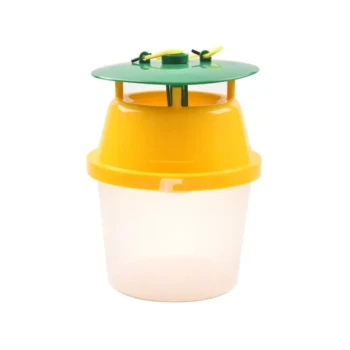
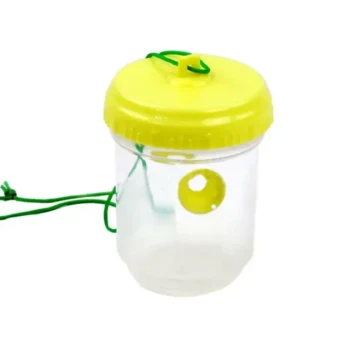
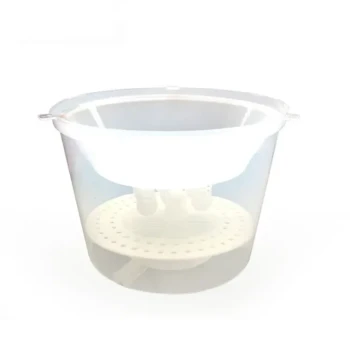
A Pollen Trap functions as a mechanical harvester installed directly at the entrance of a beehive. It forces returning worker bees to navigate through a grid with specifically sized pores, which physically dislodges pollen pellets from their hind legs before they can enter the main colony. This device is the industry standard for achieving high-efficiency, large-scale collection of pure, raw bee pollen.
The Pollen Trap automates the collection process by intercepting foraging bees, ensuring that pollen is harvested in its rawest form. It maximizes collection efficiency and material purity by separating pollen from the bee before it can be processed inside the hive.
The Mechanics of Extraction
The Grid Barrier System
The core component of a Pollen Trap is a specialized physical grid or screen.
This grid is engineered with precise pore sizes that allow the worker bee to squeeze through, but are too narrow for the pollen loads attached to their hind legs (corbiculae).
Physical Dislodgement
As the bee pushes through the entrance grid, the mechanical barrier scrapes or strips the pollen pellets off the legs.
This process relies entirely on the bee's natural entry behavior, effectively "combing" the pollen off without requiring manual handling of the insects.
Collection and Storage
Once dislodged, the pollen pellets fall immediately into a designated collection tray or drawer located beneath the grid.
This isolates the harvested material from the traffic of the hive, preserving its physical structure and preventing contamination.
Why Use a Pollen Trap?
Ensuring Raw Material Purity
The primary value of the trap is its ability to secure pollen before it is modified by the colony.
By intercepting the pellet at the entrance, the trap prevents the pollen from being stored in honeycomb cells and processed into "bee bread" (fermented pollen). This ensures the material remains distinct and chemically unaltered.
Standardization and Scale
For commercial operations, the Pollen Trap facilitates large-scale standardization.
It removes the variability of manual collection, providing a consistent method to harvest high volumes of pollen necessary for commercial sale or industrial processing.
Scientific Monitoring
Beyond production, these traps serve as critical research tools for analyzing colony foraging intensity.
By collecting samples from specific floral sources, researchers can utilize the trap to monitor plant diversity and study the relationship between pollen composition and honey quality.
Operational Considerations and Trade-offs
The Distinction of "Bee Bread"
It is important to understand that the Pollen Trap is designed specifically to harvest raw pollen, not bee bread.
Because the trap intercepts the pollen before it enters the hive, the harvested product has not undergone the lactic acid fermentation process that occurs inside the comb. If your goal is to acquire processed bee bread, this device will actually prevent its formation for the captured load.
Non-Destructive Harvesting
While the process is mechanical, the equipment is designed to be non-destructive to the worker bees.
The grid strips the pollen without causing physical harm to the insect, allowing the workforce to continue foraging; however, the hive is deprived of the specific resource collected, requiring careful management by the beekeeper to ensure colony nutrition is not compromised.
Making the Right Choice for Your Goal
When integrating Pollen Traps into your apiary management, consider your primary objective:
- If your primary focus is Commercial Production: The trap is essential for maximizing yield and ensuring the collected pollen meets the purity standards required for raw material sales.
- If your primary focus is Scientific Analysis: The trap provides the most accurate method for obtaining contaminant-free samples to evaluate local floral sources and colony nutrition.
A well-utilized Pollen Trap bridges the gap between natural foraging behavior and standardized agricultural production.
Summary Table:
| Feature | Function & Benefit |
|---|---|
| Grid Barrier | Precisely sized pores dislodge pollen pellets from worker bees' legs upon entry. |
| Mechanical Extraction | Automates collection using bee behavior, ensuring high-purity raw material. |
| Collection Tray | Protects harvested pollen from hive contamination and foot traffic. |
| Purity Control | Prevents pollen from becoming 'bee bread,' maintaining its raw chemical profile. |
| Operational Use | Enables large-scale commercial harvesting and accurate scientific floral monitoring. |
Elevate Your Commercial Apiary with HONESTBEE Solutions
Are you looking to scale your pollen production or upgrade your hive infrastructure? HONESTBEE specializes in supporting commercial apiaries and distributors with a comprehensive wholesale portfolio. From high-efficiency pollen traps and hive-making machinery to honey-filling systems and essential consumables, we provide the tools you need to succeed in the modern beekeeping industry.
Why partner with HONESTBEE?
- Comprehensive Supply: Access a full spectrum of professional beekeeping hardware and machinery.
- Industry Expertise: Benefit from equipment designed for durability and high-yield commercial operations.
- Global Distribution: Reliable wholesale solutions tailored to the needs of large-scale distributors.
Contact HONESTBEE Today to discuss how our professional equipment can optimize your harvest and grow your business!
References
- Khalid S. Alshallash, Ibrahim M. Taha. Bee Pollen as a Functional Product – Chemical Constituents and Nutritional Properties. DOI: 10.12911/22998993/156611
This article is also based on technical information from HonestBee Knowledge Base .
Related Products
- Removable Plastic Pollen Trap With Ventilated Tray for Bees Pollen Collector
- 30 cm Plastic Entrance Hole Bee Pollen Trap and Collector
- Plastic Bee Pollen Trap Strips Comb Catcher Collector
- High-Efficiency Diamond Maze Bee Escape for Clearing Supers
- Professional Bucket Style Wasp and Moth Pheromone Trap
People Also Ask
- What are the design principles and advantages of pollen traps in the collection of bee pollen? Boost Your Apiary Yield
- What is the function of professional pollen traps in evaluating honey plants? Quantifying Pollination and Crop Potential
- What functions do pollen traps serve for bee bread production? Optimize Your Raw Material Collection
- What maintenance and pest prevention measures should be taken for pollen traps? Protect Your Hive and Harvest Quality
- How does the use of pollen traps in honeybee hives enhance crop fertilization? Boost Your Yield Through Induced Activity