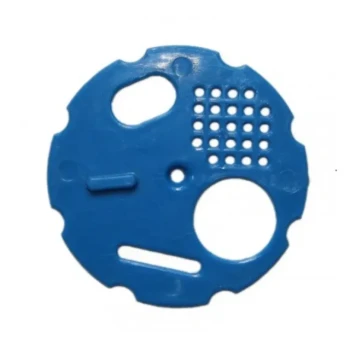
In the summer months, specifically during periods like July, the primary function of an entrance reducer is to act as a physical defensive barrier against "honey robbers." By narrowing the hive's opening, you restrict access to the colony, allowing the resident bees to defend their nectar and honey stores more effectively against aggressive pests like wasps.
Core Takeaway While often associated with cold-weather protection, the entrance reducer is a vital summer defense tool. It counters the increased aggression of pests during nectar shortages by turning a wide, undefendable entrance into a manageable choke point.
The Mechanics of Hive Defense
Controlling the Perimeter
An entrance reducer is a notched wooden strip placed between the bottom board and the first deep super.
Its main mechanical function is to regulate the size of the entrance. By reducing a wide opening to a small gap, you drastically decrease the surface area that the colony must patrol.
Empowering the Guard Bees
During the summer, a full-width entrance can be difficult for a colony to defend, especially if the population is still growing or the hive is weak.
By installing a reducer, you concentrate the guard bees in a smaller area. This allows a smaller force to repel a larger number of intruders effectively.
Why Summer Usage is Critical
The Nectar Dearth
Late summer (often starting in July) is a period of high risk because nectar sources frequently become scarce.
When wildflowers and other forage options dry up, competition for resources spikes. This environmental shift triggers robbing behavior in various pests.
Identifying the Threat
The primary adversaries during this season are wasps and robber bees from other colonies.
These intruders are highly active when natural nectar is unavailable. They will attempt to infiltrate weaker hives to steal honey and resources. The entrance reducer physically blocks the mass entry of these robbers.
Understanding the Trade-offs
Ventilation vs. Protection
While the reducer offers protection, it also restricts airflow.
In high summer heat, a strong colony needs significant ventilation to cure honey and regulate hive temperature. A very small entrance on a booming hive can lead to bearding (bees clustering outside) or overheating.
Traffic Congestion
If the colony is very populous, a reduced entrance can cause a "traffic jam" of foragers trying to return with pollen and nectar.
You must balance the need for defense against the need for efficient movement. Using the "medium" setting on the notched stick is often a compromise between defense and traffic flow.
Making the Right Choice for Your Hive
## Strategic Application for Summer Success
Deciding when to deploy the reducer depends on your specific hive conditions and the local environment.
- If your primary focus is Defending Resources: Install the reducer to the smallest setting immediately if you spot wasps investigating the hive or see signs of fighting at the entrance.
- If your primary focus is Supporting Weak Colonies: Keep the reducer in place throughout the summer to help a growing population defend a space that is too large for them.
By adjusting the entrance size to match the threat level, you turn the hive's architecture into an active part of its immune system.
Summary Table:
| Feature | Summer Function | Impact on Hive |
|---|---|---|
| Entry Size | Restricts opening to a small notch | Creates a manageable choke point for guard bees |
| Defense | Blocks wasps and robber bees | Prevents resource theft during nectar dearths |
| Guard Efficiency | Concentrates bee population | Allows fewer bees to defend the hive effectively |
| Ventilation | Moderates airflow | Requires monitoring to prevent overheating in high heat |
| Traffic Flow | Regulates forager movement | Prevents congestion in small or developing colonies |
Secure Your Apiary's Success with HONESTBEE
Protecting your honey stores is critical for a profitable season. At HONESTBEE, we specialize in empowering commercial apiaries and distributors with high-quality, durable beekeeping solutions. From precision-engineered entrance reducers and hive-making machinery to advanced honey-filling equipment, our comprehensive wholesale catalog covers all your professional needs.
Whether you are scaling your operation or supplying the industry with essential consumables and honey-themed merchandise, our team is dedicated to providing the tools and expertise you need to thrive.
Ready to upgrade your equipment? Contact us today to discuss wholesale pricing and customized solutions for your business!
Related Products
- Steel Round Disc Entrance Reducer for Flexzion Bee Hive Nuc Box Gate
- Beehive Entrance Reducer Guardian Metal Hive Entrance for Bees
- Professional Hive Front Entrance Bee Feeder
- HONESTBEE Entrance Bee Feeder Efficient Hive Front Liquid Feeding Solution for Beekeeping
- HONESTBEE Entrance Bee Feeder Professional Hive Nutrition Solution for Beekeeping
People Also Ask
- What is the purpose of an entrance reducer for a beehive? Strengthen Colony Defense and Prevent Robbery
- Why are entrance reducers used to counter hornet infestations? Protect Your Hive with Strategic Choke Points
- Why is it critical to maintain a smaller entrance for a newly established bee hive? Boost Colony Growth and Security
- Under what conditions should a beekeeper adjust the size of a beehive entrance? Seasonal & Defense Management Tips
- What is the function of an entrance reducer on a beehive? Strengthen Colony Defense and Climate Control