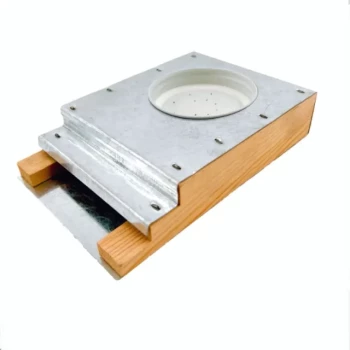
Artificial feeding equipment serves as a critical biological bridge. It acts as the mechanism to precisely deliver energy (syrup) and protein (pollen) substitutes to honeybee colonies during specific periods of nectar scarcity or seasonal floral transitions within mangrove ecosystems. By intervening during these gaps, this equipment prevents population collapse and ensures the colony retains the foraging capacity necessary to maximize the harvest during peak honey production windows.
In mangrove environments, natural food sources fluctuate dramatically. Artificial feeding equipment is the essential intervention that prevents the nutritional deficits that lead to larval cannibalism and colony decline, preserving the workforce required for the next major nectar flow.
The Strategic Role of Supplemental Feeding
Bridging Floral Transitions
Mangrove ecosystems often have distinct flowering seasons separated by periods of dearth. Artificial feeders allow the apiarist to smooth out these fluctuations.
By providing consistent nutrition, you prevent the colony from entering a survival mode that would otherwise halt brood rearing.
Ensuring Readiness for Peak Production
The primary goal of using this equipment is not just survival, but capacity maintenance. A colony that shrinks during a scarcity period cannot immediately take advantage of a new bloom.
Feeders keep the population of worker bees high, ensuring that when the mangrove flow begins, the colony possesses sufficient "foraging power" to harvest immediately.
Enhancing Biological Resilience
Preventing Nutritional Stress Responses
When food stores drop critically low, bees may resort to larval cannibalism to conserve protein.
Artificial feeders delivering pollen substitutes directly intervene in this cycle. This preserves the next generation of bees and stabilizes the colony’s demographics.
Bolstering Colony Immunity
Malnutrition leads to a rapid decline in worker bee immunity. This makes the colony susceptible to secondary stressors such as cold snaps, pesticide exposure, or Colony Collapse Disorder (CCD).
Automatic or manual feeding systems can deliver probiotic preparations and high-quality nutrients. This dietary support maintains the physiological resilience required to withstand environmental pressures.
Understanding the Trade-offs
Management Intensity
Using artificial feeding equipment increases the operational complexity of the apiary.
It requires precise timing and monitoring; feeding too late may be ineffective, while feeding too early or too much can lead to resource waste or honey adulteration if not managed before the flow.
Cost vs. Benefit
There is a direct financial and labor cost associated with syrup and pollen substitutes.
However, this cost is generally outweighed by the prevention of colony loss. The investment is best viewed as an insurance policy against the complete loss of productive units during lean months.
Making the Right Choice for Your Goal
To effectively utilize artificial feeding equipment in your annual management plan, consider your immediate objectives:
- If your primary focus is Peak Production: Initiate feeding before the nectar flow begins to build up a maximum density of foraging workers.
- If your primary focus is Colony Survival: Deploy feeders immediately during nectar shortages or post-harvest to prevent larval cannibalism and immune system collapse.
By shifting from reactive to proactive feeding, you stabilize the volatility of the mangrove ecosystem and secure the long-term productivity of your apiary.
Summary Table:
| Function | Strategic Benefit | Impact on Colony |
|---|---|---|
| Bridge Floral Gaps | Smoothes out nectar dearth periods | Prevents brood rearing halts |
| Population Maintenance | Keeps foraging numbers high before bloom | Ensures immediate harvest capacity |
| Nutritional Support | Delivers protein and energy substitutes | Prevents larval cannibalism |
| Immune Boosting | Allows for probiotic and nutrient delivery | Increases resistance to CCD and pests |
| Risk Mitigation | Acts as insurance against seasonal loss | Stabilizes annual apiary ROI |
Elevate Your Apiary's Productivity with HONESTBEE
Maintaining strong, resilient colonies in demanding mangrove environments requires more than just skill—it requires the right tools. HONESTBEE specializes in supporting commercial apiaries and distributors with a comprehensive range of professional beekeeping machinery and essential consumables.
From precision artificial feeding systems that prevent colony decline to industrial-grade honey-filling machines and hive-making equipment, we provide the full spectrum of hardware needed to scale your operations. Partner with us to access high-quality wholesale equipment designed for long-term reliability and peak efficiency.
Ready to optimize your honey production? Contact our expert team today to discuss how HONESTBEE can power your commercial success.
References
- Crhistian Laynes-Magaña, Saikat Kumar Basu. Honey production, an economic alternative for coastal areas with mangrove ecosystems: a case study in Sabancuy, Campeche, southeastern Mexico. DOI: 10.1186/s13002-025-00794-0
This article is also based on technical information from HonestBee Knowledge Base .
Related Products
- Professional In-Hive Bee Feeder HONESTBEE Frame for Beekeeping
- HONESTBEE Professional Hive Top Bee Feeder Feeding Solution
- HONESTBEE Entrance Bee Feeder Efficient Hive Front Liquid Feeding Solution for Beekeeping
- Classic Boardman Entrance Bee Feeder Hive Front Feeding Solution
- Professional Hive Top Bee Feeder for Beekeeping
People Also Ask
- When should beekeepers stop feeding their bees? Let Your Bees Tell You
- Why is the use of a beekeeping feeder for syrup supplementation important? Boost Colony Growth and Survival
- What are the common types of internal and external feeders used in beekeeping? Choose the Right Feeder for Your Hive
- What is a feeder in the context of beekeeping? Optimize Your Hive Nutrition and Growth
- How do specialized feeders contribute to effective artificial feeding? Scientific Apiary Management & Colony Health