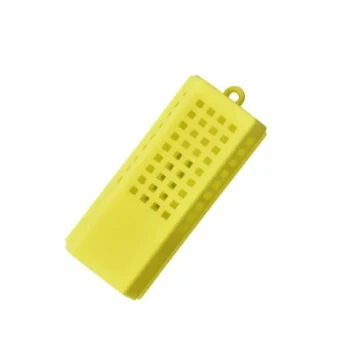
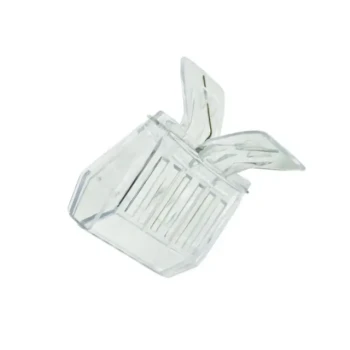
Artificial queen cups act as the fundamental physical interface between the beekeeper's genetic selection and the colony's biological instincts. These cups serve as surrogate cradles, holding grafted larvae in a specific vertical orientation that compels nurse bees to recognize and raise them as queens rather than worker bees.
The Core Insight Artificial queen cups function by simulating the precise geometry and physical environment of a natural queen cell base. This mimicry triggers an instinctive "rearing impulse" in nurse bees, tricking the colony into flooding the cup with royal jelly and driving the physiological differentiation of the larva into a queen.
The Biological Mechanism
Inducing the Rearing Impulse
The primary biological function of the cup is to simulate natural triggers. In nature, bees build queen cells with specific dimensions and orientations.
By replicating the structural characteristics of a natural queen cell base, the artificial cup guides nurse bees to initiate queen-rearing behavior immediately.
Facilitating Royal Jelly Production
Once the nurse bees accept the cup's geometry, they begin intensive feeding.
The cup provides a suspended, standardized space where the larva floats in royal jelly. This massive intake of nutrition is the sole factor that differentiates a worker bee from a queen bee.
Leveraging Material Familiarity
The material of the cup plays a role in bio-mimicry.
Beeswax cups, in particular, provide a biological environment that chemically mimics the natural hive. This consistency with internal hive substances significantly increases the acceptance rate of the transferred larvae by the worker bees.
The Operational Function
Acting as a Carrier for Grafting
Functionally, the cup is a movable vessel.
It serves as the necessary physical carrier for the larval grafting process. This allows a technician to move a larva from a breeder comb into a production colony without damaging the fragile insect.
Enabling Mass Propagation
The cups transform queen rearing from a random natural event into a scalable manufacturing process.
Used in methods like the Doolittle system, these cups act as modular units on a grafting frame. This allows beekeepers to manage dozens of developing queens simultaneously within a single production cycle.
Providing a Construction Base
The cup is not the finished cell; it is the foundation.
It serves as a sturdy base upon which the bees construct the rest of the peanut-shaped queen cell. This ensures the final structure is stable and properly oriented within the hive.
Understanding the Trade-offs
The "Queenless" Requirement
The cup alone is not enough to trigger the process.
For the artificial cup to function, the colony (or the specific section of the hive) must perceive itself as queenless. Without this physiological illusion—often created using queen excluders or by removing the reigning queen—the bees will ignore the cups and clean out the larvae.
Material Acceptance Variables
Not all cups yield equal results.
While plastic cups offer durability and reuse, bees generally prefer beeswax cups due to their chemical familiarity. Plastic cups often require coating in wax to achieve high acceptance rates, otherwise, the bees may reject the "foreign" object.
How to Apply This to Your Project
To maximize success in queen rearing, select your tools based on your specific operational scale and resources.
- If your primary focus is high acceptance rates: Prioritize beeswax cups or coat your plastic cups heavily in wax to mimic the colony's chemical environment.
- If your primary focus is large-scale production: Utilize standardized grafting frames with modular cups to streamline the transfer and management of dozens of queens at once.
Success relies on using the cup to perfectly mimic nature's architecture, fooling the bees into doing the work for you.
Summary Table:
| Function Category | Key Role of Queen Cups | Impact on Colony Behavior |
|---|---|---|
| Biological | Simulates queen cell geometry | Triggers nurse bees' rearing impulse |
| Physiological | Vertical orientation vessel | Facilitates massive royal jelly feeding |
| Operational | Movable grafting carrier | Enables safe larval transfer and selection |
| Structural | Foundation base | Provides stability for final cell construction |
| Scalability | Modular unit (Doolittle system) | Allows for simultaneous mass queen production |
Elevate Your Queen Rearing Operations with HONESTBEE
At HONESTBEE, we understand that high-quality queens are the backbone of any productive apiary. Our comprehensive wholesale offering provides commercial apiaries and distributors with the precision-engineered tools needed to master the grafting process. From standardized queen cups and grafting frames to advanced honey-filling machines and hive-making equipment, we supply everything your business needs to scale.
Whether you are expanding your queen-rearing program or stocking essential consumables, our portfolio of beekeeping machinery and cultural merchandise ensures your success. Contact HONESTBEE today to discuss how our bulk supply solutions can enhance your efficiency and improve your colony yield.
References
- Daiana A. De Souza, Ying Wang. Differences in the morphology, physiology and gene expression of honey bee queens and workers reared <i>in vitro</i> versus <i>in situ</i>. DOI: 10.1242/bio.036616
This article is also based on technical information from HonestBee Knowledge Base .
Related Products
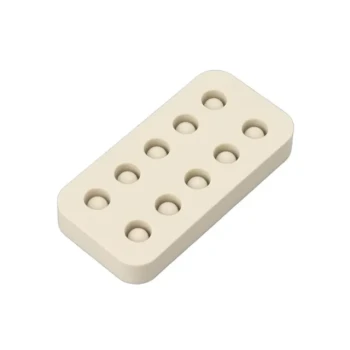
- 10-Cell Silicone Beeswax Bee Queen Cups Forming Mold
- JZBZ Type Wide Base Plastic Queen Cell Cups for Base Mounting and Queen Rearing
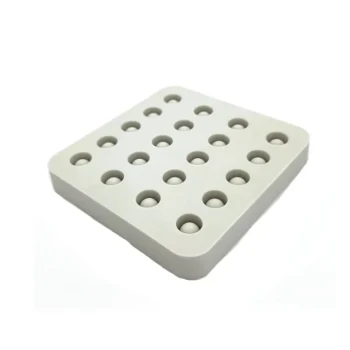
- High-Efficiency 20-Cell Silicone Mold for Beeswax Bee Queen Cup Production
- Clear Black Plain Polystyrene Queen Bee Grafting Cell Cups No Lug for Bee Queen Cup
- Brown Nicot Queen Cell Cups for Breeding Queen Bees Beekeeping
People Also Ask
- How do beeswax queen cell cups function? Optimize Queen Rearing with Biological Mimicry
- What is the biological function of beeswax queen cell cups? Boost Acceptance in Artificial Queen Rearing
- What role do specialized queen rearing tools play in developing mite-resistant honeybee stock? Master Genetic Selection
- What materials are used to make artificial queen cell cups for grafting? Beeswax vs. Plastic Guide
- What roles do specialized queen cell cups play in royal jelly production? Optimize Your Hive's Secretion and Yield