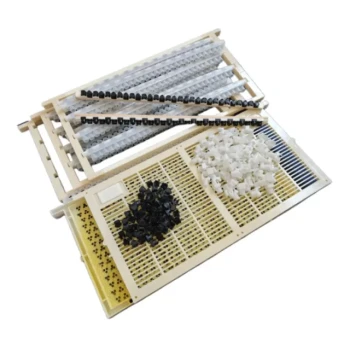
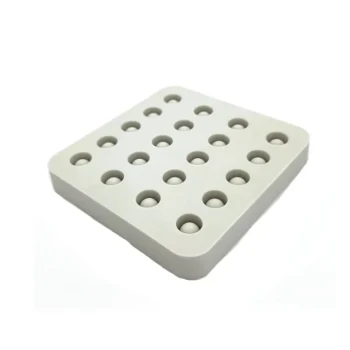
Artificial queen rearing kits serve as the precise mechanism for proactive genetic control in apiculture. rather than relying on the random or reactive nature of natural selection, these tools—specifically grafting needles and queen cell cups—empower beekeepers to physically transfer larvae from specific, high-performing mother colonies. This intervention allows for the intentional propagation of superior genetics, directly influencing the productivity and resilience of future generations.
By shifting queen production from a natural lottery to a controlled process, these kits act as the bridge between raw genetic potential and standardized apiary performance. They allow you to scale success by replicating your best stock across the entire operation.
The Mechanics of Genetic Optimization
Precision in Larval Selection
The core function of the rearing kit is to facilitate grafting. Using specialized needles, a beekeeper manually selects larvae from a "breeder queen" that has demonstrated exceptional traits.
This bypasses the colony’s natural impulse to rear queens from random available larvae during emergency supersedure or swarming. It ensures that every new queen originates from a lineage proven to excel in specific metrics.
Scaling Desirable Traits
Once the larvae are transferred to queen cell cups, the process enables mass production. A single high-performing mother can provide the genetic material for dozens or hundreds of daughter queens simultaneously.
This allows for the systematic enhancement of traits such as high foraging efficiency and disease resistance. Over time, this raises the genetic floor of the entire apiary, ensuring consistent honey production rather than variable results.
Operational Advantages
Synchronized Colony Management
Beyond genetics, these kits provide a function of timing and control. They allow for the synchronized replacement of old or failing queens across the apiary.
By rearing queens in batches, you can predict exactly when new queens will emerge and mate. This scheduling ensures that replacements occur under optimal environmental conditions, avoiding seasons where resources are scarce or weather prohibits successful mating.
Standardization of Temperament
Consistency is vital for efficient management. By cloning the genetics of your gentlest hives, you reduce the variability in aggression across the apiary.
This standardization makes routine inspections faster and safer, directly impacting the sustainability of labor and the production of premium bee products.
Understanding the Trade-offs
The Skill Requirement
Owning a kit does not guarantee success; the physical act of grafting requires significant manual dexterity and excellent vision. Poor handling of the larvae during transfer can damage them, leading to low acceptance rates or physically compromised queens.
The Risk of Monoculture
While optimizing for specific traits is powerful, over-reliance on a single mother queen can lead to a genetic bottleneck. Reducing genetic diversity too aggressively can make the apiary susceptible to new pathogens that a more diverse population might withstand.
Dependence on Pure Mating
It is critical to remember that the kit only controls the female contribution (the queen). As noted in broader breeding contexts, without controlled mating conditions (such as isolated stations), the genetic gains made using the kit can be diluted by uncontrolled hybridization with local drones.
Making the Right Choice for Your Goal
To maximize the value of artificial queen rearing, align your selection criteria with your specific apiary objectives.
- If your primary focus is Production: Select larvae strictly from colonies with the highest documented honey yields and foraging efficiency over the last two seasons.
- If your primary focus is Resilience: Prioritize grafting from colonies that have shown natural hygiene and low disease counts, even if their honey production is average.
- If your primary focus is Management Ease: Exclusively breed from colonies with the gentlest temperament to reduce labor intensity and improve safety.
Mastering the use of these tools transitions your role from a keeper of bees to a curator of genetics.
Summary Table:
| Feature | Function in Genetic Optimization | Impact on Apiary |
|---|---|---|
| Larval Selection | Manual grafting from high-performing breeder queens | Bypasses random selection for superior lineage |
| Queen Cell Cups | Facilitates mass propagation of daughter queens | Scales high-foraging and disease-resistant traits |
| Batch Timing | Synchronized queen replacement schedules | Ensures mating occurs during optimal environmental windows |
| Trait Standardization | Cloning genetics from gentle, productive hives | Reduces aggression and increases labor efficiency |
Elevate Your Apiary’s Genetic Potential with HONESTBEE
Transition from a bee keeper to a genetic curator with HONESTBEE. As a premier partner for commercial apiaries and global distributors, we provide the high-precision tools necessary to standardize your success.
Our comprehensive wholesale range includes:
- Precision Rearing Kits: Advanced grafting needles and cell cup systems for flawless larval transfer.
- Commercial Machinery: Hive-making and honey-filling machines to scale your production.
- Full-Spectrum Supplies: Essential consumables and specialized hardware for professional beekeeping.
Ready to scale your operation with superior genetics and industrial-grade equipment? Contact us today to explore our wholesale offerings and see how HONESTBEE can optimize your productivity.
References
- Aliakbar Salehizadeh, Amir Gandomkar. Temperature Conditions for Determination of Beekeeping Regions in the Light of Climate Change. Case study: Fars Province. DOI: 10.2478/rtuect-2020-0006
This article is also based on technical information from HonestBee Knowledge Base .
Related Products
- Premium Nicot Style Queen Rearing Kit with Hair Roller Bee Cages
- Nicot Queen Rearing Kit for Beekeeping and Grafting in Nicot System
- Jenter Queen Rearing Kit Complete Set for Bee Breeding
- Queen Bee Artificial Insemination Instrument Equipment for Instrumental Insemination
- No Grafting Queen Rearing Kit: System for Royal Jelly Production and Queen Rearing
People Also Ask
- What is the primary function of a queen rearing kit? Eliminate Manual Grafting for Superior Bee Breeding
- What are some alternative methods to grafting for queen cell production? Discover Graft-Free Queen Rearing Systems
- How do specialized queen rearing kits and queen management tools improve the success rate of bee colony expansion?
- How do modern queen bee rearing and breeding kits improve apiary management? Transition to Proactive Precision Breeding
- How is 'active' queen rearing defined in beekeeping? Master Intentional Colony Management & Genetic Control