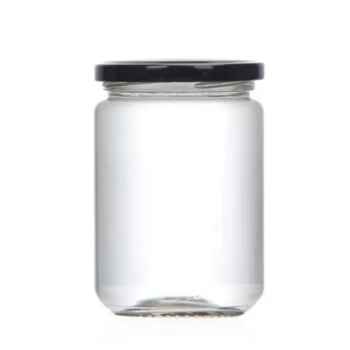
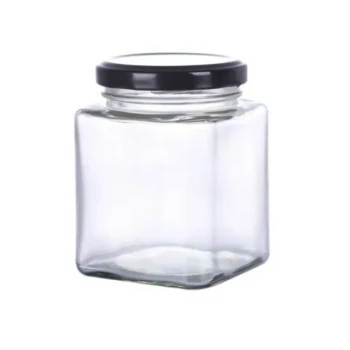
Heat-resistant wide-mouth glass culture bottles function as a critical control tool in honey collection, designed specifically to eliminate external variables during storage and analysis. Their primary purpose is to allow for high-temperature dry heat sterilization before use, ensuring that any microbial activity observed later is inherent to the honey and not a result of container contamination. Additionally, their physical design accommodates the high viscosity of honey, facilitating accurate sampling without loss or exposure.
Core Takeaway Honey is a chemically complex, hygroscopic substance that is highly susceptible to external contamination and environmental fluctuation. Utilizing heat-resistant, wide-mouth glass bottles allows researchers to create a sterilized, chemically inert, and hermetically sealed environment, preserving the sample's original biological and physicochemical profile for accurate analysis.
Ensuring Microbial Accuracy
The Role of Heat Resistance
The defining feature of these culture bottles is their ability to withstand high-temperature dry heat sterilization. This process is essential for creating a sterile baseline before the honey is introduced.
By eliminating external microbial interference, you ensure that any subsequent fermentation or biological activity is driven entirely by the natural microbial flora inherent to the honey. This distinction is vital for accurate microbiological research.
Handling High Viscosity
Honey acts as a non-Newtonian fluid, making it difficult to manipulate through narrow openings. The wide-mouth design is a functional necessity rather than an aesthetic choice.
It facilitates the rapid loading and sampling of high-viscosity honey without spillage or excessive air exposure. This design minimizes the time the sample is exposed to the open environment during transfer, reducing contamination risks.
Preserving Chemical Integrity
Preventing Moisture Absorption
Honey is naturally hygroscopic, meaning it readily absorbs moisture from the air. High-sealing glass bottles effectively isolate honey from atmospheric moisture.
If this isolation fails, the increased water content can trigger unwanted fermentation. Maintaining a strict seal protects the biochemical stability of fragile components, such as polyphenols and flavonoids.
Chemical Inertness
Glass is chemically inert, meaning it does not react with the sample it holds. This prevents the adsorption of pesticide residues or the leaching of container materials into the honey.
This inertness is critical for maintaining the original composition of the honey. It ensures that subsequent physicochemical analyses and pollen identifications are based on the honey's authentic state, not an altered version.
Common Pitfalls and Material Trade-offs
The Risk of Plastic Contamination
While plastic containers with tight seals can prevent moisture loss, they introduce specific risks for high-precision analysis. The use of clean glass bottles is specifically recommended to prevent trace metal contamination often associated with plastic packaging.
If your goal is trace mineral analysis or determining the original mineral profile, glass is the only reliable option to ensure the purity of the data.
Temperature Control Dependency
Ideally, the bottle works in tandem with environmental controls. A high-quality bottle cannot compensate for poor temperature management during transport.
To inhibit chemical degradation and microbial activity, these bottles should be stored in low-temperature, dark conditions (ideally around 4 degrees Celsius). Relying solely on the bottle without controlling the external temperature can still lead to the degradation of heat-sensitive elements.
Making the Right Choice for Your Goal
Selecting the correct sampling vessel depends on the specific parameters you intend to measure.
- If your primary focus is Microbial Flora Analysis: Prioritize heat-resistant glass that allows for dry heat sterilization to eliminate external biological noise.
- If your primary focus is Trace Mineral or Pesticide Detection: Use chemically inert glass bottles to avoid the leaching and trace metal contamination risks associated with plastic.
- If your primary focus is Antioxidant Stability: Ensure the bottle has a high-integrity seal and is stored in the dark to prevent moisture absorption and oxidation of polyphenols.
The integrity of your analytical data begins with the inertness and sterility of your collection vessel.
Summary Table:
| Feature | Function in Honey Collection | Benefit for Analysis |
|---|---|---|
| Heat Resistance | Allows dry heat sterilization | Eliminates external microbial noise/contamination |
| Wide-Mouth Design | Easy loading of high-viscosity fluids | Minimizes air exposure and sampling loss |
| Chemical Inertness | Prevents leaching and adsorption | Protects trace mineral and pesticide data |
| Hermetic Sealing | Isolates honey from atmospheric moisture | Prevents fermentation and oxidation of polyphenols |
Elevate Your Honey Quality with HONESTBEE
At HONESTBEE, we understand that the integrity of your honey—from collection to distribution—is paramount to your success. As a dedicated partner to commercial apiaries and distributors, we provide more than just supplies; we offer a comprehensive wholesale ecosystem.
Whether you need specialized heat-resistant glass storage solutions, industrial honey-filling machines, or a full spectrum of beekeeping tools and consumables, our hardware is designed to maintain the highest biological and physicochemical standards of your products.
Ready to scale your operation with professional-grade equipment?
Contact us today to explore our wholesale offerings
References
- Junichi Takahashi. Composition of Free Amino Acids in Fermented Honey, an Untapped Resource from Japanese Honeybees. DOI: 10.4327/jsnfs.75.113
This article is also based on technical information from HonestBee Knowledge Base .
Related Products
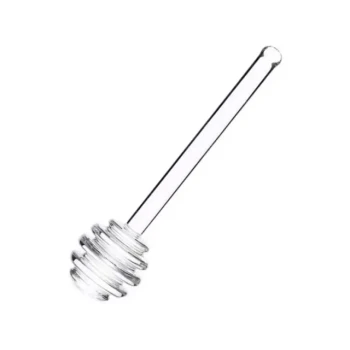
- Premium Heat-Resistant Glass Honey Dipper
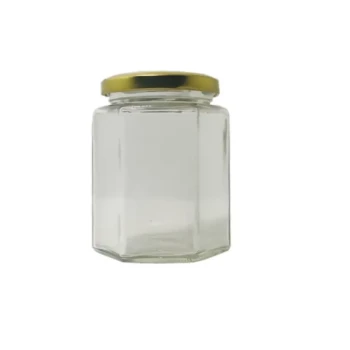
- Hexagonal Glass Honey Jars with Metal Lug Caps Elegant Versatile Packaging
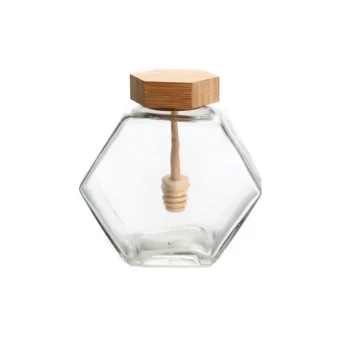
- Hexagonal Glass Honey Jar with Wooden Lid Integrated Dipper Elegant Functional Storage
- Classic Glass Honey Jar with Metal Lug Cap for Beehive Storage
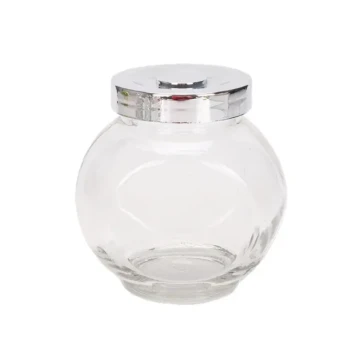
- Classic Drum Shaped Glass Honey Jar with Airtight Lid
People Also Ask
- How do you clean and store a honey dipper? Simple Steps for Long-Lasting Performance
- What is a honey dipper? Master the Art of the Perfect Drizzle with This Essential Tool
- What is a honey dipper and what is it used for? A Guide to Mess-Free Drizzling
- What is a honey taking spoon called? Discover the Tool for a Perfect, Mess-Free Drizzle
- What is the proper method for cleaning a honey dipper? Maintain Pure Flavor with These Easy Pro Tips