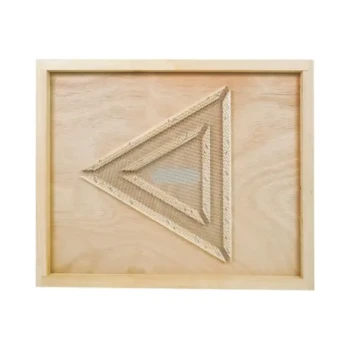
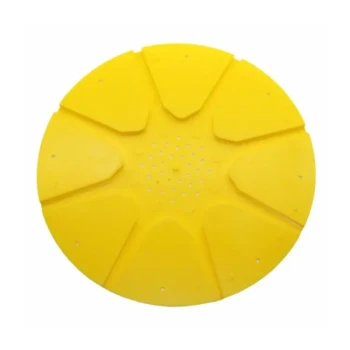
Hive boards function primarily as diagnostic instruments for quantifying Varroa mite populations within a colony. They provide the physical platform necessary to collect, count, and analyze mites that fall from bees, either naturally or following a treatment, turning physical evidence into actionable data.
By converting the physical fall of mites into countable data, hive boards enable beekeepers to implement Integrated Pest Management (IPM) strategies without disrupting the colony. They serve as the bridge between raw observation and data-driven pest control decisions.
Quantifying Infestation Levels
Measuring Natural Mite Drop
The foundational use of a hive board is to establish a baseline for infestation. By placing the board at the bottom of the hive, you can capture mites that fall naturally due to grooming or bee activity.
Counting these mites over a set period allows you to calculate an average daily drop rate. This metric serves as a direct indicator of the severity of the infestation without requiring invasive sampling methods.
Validating Treatment Efficacy
Hive boards are indispensable for verifying the success of chemical or organic treatments. Following a miticide application, the board captures the resulting "mite kill."
A significant increase in the mite count on the board post-treatment provides quantitative evidence that the control measure is working. Conversely, a low count might indicate application failure or pest resistance.
Ensuring Accuracy with Adhesives
To ensure the data collected is reliable, sticky monitoring boards are often employed. These boards feature an adhesive surface that traps fallen mites upon contact.
This adhesive force prevents mites from being blown away by wind or internal hive ventilation. It ensures that every dislodged mite remains on the collection area for accurate counting.
Mechanical Control and Prevention
Physical Separation via Screens
Screened bottom boards introduce a mechanical control element to the hive setup. These boards utilize a mesh design that physically separates the bees from the debris floor.
When a mite falls off a bee, it passes through the screen mesh. This design feature prevents the mite from crawling back up into the brood nest to re-infest the colony.
The Non-Invasive Advantage
Both sticky boards and screened bottom boards allow for data collection without disturbing the bees. Unlike alcohol washes, which kill a sample of bees, hive boards are non-invasive.
This allows technicians and beekeepers to conduct long-term, seasonal monitoring of population dynamics without stressing the colony or reducing the worker bee population.
Understanding the Trade-offs
Interpretation Required
While hive boards provide excellent longitudinal data, they measure "mite drop," not the total mite population. You must correlate the drop count with the time of year and brood levels to understand the true infestation density.
Debris Management
Sticky boards capture everything that falls, not just mites. Pollen, wax cappings, and other hive debris can clutter the board, making accurate counting difficult if the boards are not checked and cleaned frequently.
Making the Right Choice for Your Goal
To effectively manage Varroa mites, you must select the right board configuration for your specific objective:
- If your primary focus is Assessment and Diagnosis: Use a sticky board paired with a screened bottom board to trap and count mites for precise, data-driven decisions.
- If your primary focus is Mechanical Control: Utilize a screened bottom board without a sticky insert to allow mites to fall through to the ground, permanently removing them from the colony cycle.
- If your primary focus is Treatment Verification: Deploy a clean monitoring board immediately before applying miticides to capture the total mite load dropped by the treatment.
Effective Varroa management relies not on guessing, but on the rigorous application of the data these boards provide.
Summary Table:
| Hive Board Type | Primary Function | Key Advantage | Best Use Case |
|---|---|---|---|
| Sticky Monitoring Board | Data Collection | Traps mites with adhesive to prevent loss | Accurate infestation assessment & diagnosis |
| Screened Bottom Board | Mechanical Control | Prevents mites from re-entering the brood nest | Long-term non-invasive pest reduction |
| Clean Monitoring Board | Treatment Validation | Captures "mite kill" post-application | Verifying miticide efficacy and resistance |
| Standard Bottom Board | Base Platform | Provides foundational hive structure | General hive management and insulation |
Maximize Your Colony Health with HONESTBEE
At HONESTBEE, we understand that data-driven pest management is the backbone of a successful commercial apiary. As a premier provider for distributors and large-scale operations, we offer a comprehensive wholesale range of high-precision hive boards, specialized monitoring tools, and automated hive-making machinery designed to streamline your Varroa mite management strategies.
From essential consumables to industrial-grade honey-filling equipment, our portfolio is built to scale your business and protect your yield. Partner with HONESTBEE today to access professional-grade beekeeping equipment and hardware tailored to your specific industry needs.
Contact Our Wholesale Team Today
References
- Modeste RANDRIANAMPIANA, Helinoro Diamondra RAZAIVAOVOLOLONIAINA. Study of factors limiting the development of beekeeping in the conservation of natural resources. DOI: 10.53771/ijstra.2022.3.1.0105
This article is also based on technical information from HonestBee Knowledge Base .
Related Products
- Langstroth Screen Bottom Board for Beekeeping Wholesale
- Adjustable Formic and Acetic Acid Dispenser for Bee Mite Treatment
- Australian Pine Wood Langstroth Screen Bottom Board for Wholesale
- Varroa Easy Check Mite Tester Kit Counter Alcohol Wash Jar
- HONESTBEE Wooden Bee Escape Board with Triangle Mesh Design for Beekeeping
People Also Ask
- What is the primary function of a standard screen bottom board when assessing honeybee grooming behavior? - Key Mite Data
- What is the primary function of a screen bottom board? Achieve Accurate Varroa Mite Assessment in Your Apiary
- What role do screen bottom boards and monitoring inserts play in assessing Varroa mite mortality and maintaining hive hygiene in Langstroth hives?
- Why is the combination of a screen bottom board and a sticky trap board essential for monitoring Varroa mite? Guide
- Why might a screen bottom board be less effective for pest control? Understanding the 'Mixed Sunlight' Complication