Honey bee spiracles are the entry points to the insect’s respiratory system. These paired openings along the thorax and abdomen lead to tracheal tubes and air sacs that deliver oxygen directly to tissues. Their valve-controlled openings and sensitivity to airborne substances make spiracle biology important when selecting hive pest-control consumables, vaporizing equipment, and ventilation hardware.
The central practical point: hive treatments must provide effective, controlled exposure to pests without creating harmful respiratory conditions for bees. Ventilation equipment must support oxygen exchange and heat management, while remaining adjustable enough to avoid unnecessarily removing or diluting a treatment.
How Honey Bee Spiracles Work
External openings connected to internal tracheae
Honey bees do not breathe through lungs. They use spiracles, small lateral openings located along the thorax and abdomen, to move air into an internal network of tracheal tubes.
The tracheae distribute oxygen directly to tissues. This system allows gas exchange without relying primarily on oxygen transport through the circulatory system.
Valves regulate air exchange
Spiracles include valves that help regulate airflow and reduce moisture loss. They can open and close in response to the bee’s respiratory needs and environmental conditions.
This valve-controlled design means that exposure to airborne vapors is biologically relevant: substances present in the hive air can potentially reach the respiratory openings when spiracles are open.
Abdominal movement assists respiration
Honey bees use abdominal flexure and telescoping movements to help circulate air through the tracheal system. Internal air sacs can expand and contract, supporting more rapid gas exchange during activity, flight, and heat stress.
In a crowded hive, transport crate, or poorly ventilated colony, restricted airflow can therefore affect both respiration and thermal regulation.
The first thoracic spiracle and tracheal mites
The first thoracic spiracle is particularly important in apiary management because tracheal mites, also called Acarine mites, can enter the bee through this opening and infest the tracheal system.
This differs from external parasites such as Varroa mites, which occupy the bee’s exterior or brood cells rather than living inside the tracheae. Pest-control decisions must therefore be based on the target parasite’s location and biology.
Why Spiracle Biology Matters for Pest Control
Treatments must reach the intended pest
Hive pest-control products may use strips, controlled evaporation, vaporization, or other delivery methods to distribute an active substance through the hive air space. The correct method depends on whether the target is located on the bee, in brood cells, on hive surfaces, or inside the respiratory system.
For tracheal mites, the respiratory openings and tracheal system are directly relevant. For other pests, air-based delivery may be less important than contact exposure, brood-cell penetration, or treatment of hive materials.
Airborne treatments require controlled concentration
Because bees exchange air through spiracles, vaporized or fogged treatments must be applied at the correct concentration and for the correct exposure period. Excessive exposure can create respiratory stress, while insufficient distribution may fail to control the pest.
Equipment calibration is therefore not a minor operational detail. Vaporizer output, treatment duration, hive volume, temperature, and airflow all influence the final exposure inside the hive.
Ventilation can help or hinder treatment
Ventilation removes excess heat, humidity, and carbon dioxide, but excessive airflow can also disperse a treatment before it has acted. Open entrances, screened components, and strong drafts may reduce the uniformity or persistence of an airborne application.
The practical objective is controlled air exchange, not maximum ventilation at all times. Treatment instructions and product labels should determine when openings are adjusted and when normal ventilation is restored.
Bees themselves distribute air
Worker bees use their wings to fan air through the hive. Fanning helps cool the colony and removes moisture as nectar is concentrated into honey.
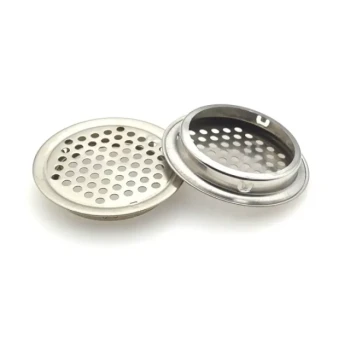
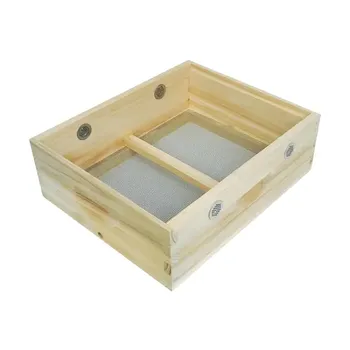
Hive ventilation equipment should complement this natural behavior. Screened bottom boards, ventilated covers, entrance controls, and screened transport equipment can support airflow without making the hive environment uncontrollably open.
Selecting Hive Ventilation Equipment
Screened bottom boards
Screened bottom boards can improve air exchange and help manage humidity. They may also support certain monitoring and integrated pest-management practices, depending on the system being used.
Their effect on a treatment, however, depends on the product and application method. A component that improves everyday ventilation may need to be configured differently during a vapor or fumigant treatment.
Ventilated inner and migratory covers
Ventilated covers help manage heat and moisture, particularly during warm weather, high honey flow, and colony transport. They are useful where colonies face prolonged exposure to high density or elevated temperatures.
They should not be treated as universally beneficial in every treatment scenario. Vent openings can alter treatment retention and distribution, so compatibility with the selected control product is essential.
Entrance guards and reducers
Adjustable entrance equipment allows beekeepers to manage airflow, colony access, and pest exclusion. It can also help control the movement of treated air during certain applications.
The correct configuration depends on colony strength, weather, treatment instructions, and the need to prevent overheating. Restricting airflow too aggressively can be as problematic as leaving the hive excessively open.
Screened transport crates
Transport equipment must provide continuous airflow across densely packed bees. Screened crates and transport screens reduce the risk of heat accumulation and oxygen limitation during movement.
This is particularly important because bees cannot regulate a confined transport environment as effectively as they can a normal hive. Ventilation must be sufficient without creating unnecessary escape or exposure risks.
How Pest-Control Equipment Should Be Evaluated
Match the equipment to the treatment chemistry
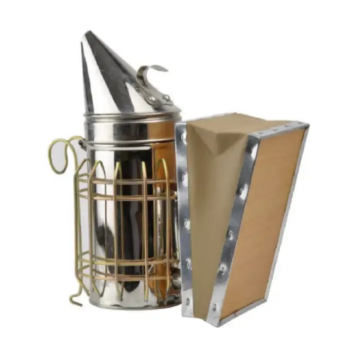
Oxalic acid vaporizers, organic-acid systems, controlled-release strips, and thermal fogging devices are not interchangeable. Each requires a defined operating method, suitable application conditions, and appropriate protective procedures.
A distributor or reseller should evaluate the complete system: consumable compatibility, equipment output, hive design, replacement parts, operator protection, and availability of technical support.
Prioritize uniform distribution
A treatment should reach the relevant hive spaces consistently rather than creating highly concentrated pockets near the application point. Equipment design, hive volume, internal obstructions, and ventilation openings all affect distribution.
Uniformity is especially important when the product acts through airborne exposure. Inconsistent concentration can produce poor control while exposing some bees to unnecessarily high levels.
Protect the bee’s respiratory function
The aim is not simply to force a treatment into the hive. It is to control the pest while preserving normal bee respiration, thermoregulation, and colony behavior.
Correct dosing, calibrated equipment, appropriate timing, and responsible ventilation are the primary safeguards. Operators should always follow the registered product label and local regulations.
Build a complete supply package
Commercial customers often need more than a single device. A practical supply program may include treatment consumables, vaporizers or applicators, seals and replacement parts, screened ventilation components, monitoring tools, and protective equipment.
For B2B sourcing, the ability to consolidate these items can reduce procurement delays and simplify order fulfillment. Technical compatibility and reliable replenishment are more valuable than a broad catalog with unclear specifications.
Understanding the Trade-offs
More ventilation is not always better
High airflow can reduce heat and humidity, but it can also shorten the residence time of an airborne treatment. During transport or extreme heat, restricted airflow may create severe stress; during treatment, uncontrolled airflow may reduce efficacy.
Ventilation should therefore be adjustable and purpose-specific, rather than permanently maximized.
Airborne treatments are not universal solutions
A treatment that works through vapor or fog may be appropriate for one pest and unsuitable for another. Tracheal mites, Varroa mites, wax moths, and hive pathogens occupy different locations and respond differently to control methods.
Selecting equipment before identifying the target pest often leads to ineffective or unnecessarily stressful applications.
Incorrect calibration creates two risks
Under-application can leave the pest population inadequately controlled. Over-application or poor distribution can increase the risk of bee stress, colony damage, residue concerns, and operator exposure.
Calibration, maintenance, and clear operating instructions should be treated as part of the product—not as optional extras.
Hive design affects treatment behavior
Screened floors, ventilated covers, entrance reducers, and transport screens change the movement of air through a hive. A treatment validated in one configuration may behave differently in another.
Commercial buyers should confirm whether the equipment and consumables are intended to work with the customer’s hive format and ventilation setup.
Making the Right Choice for Your Goal
The most reliable purchasing decision begins with the pest, treatment method, hive configuration, and operating environment.
- If your primary focus is tracheal-mite control: Prioritize treatments and applicators designed for controlled distribution through the hive air space, with special attention to exposure near the bee’s thoracic spiracles.
- If your primary focus is Varroa management: Choose a control strategy based on Varroa’s external and brood-associated biology rather than assuming an airborne treatment is automatically appropriate.
- If your primary focus is summer hive management: Source adjustable entrances, screened bottoms, ventilated covers, and other components that support airflow without compromising colony security.
- If your primary focus is live bee transport: Use screened transport equipment that maintains continuous airflow and reduces heat accumulation in densely populated containers.
- If your primary focus is commercial distribution: Build a compatible product portfolio that combines consumables, application equipment, ventilation hardware, spare parts, and responsive technical support.
- If your primary focus is treatment reliability: Require clear calibration guidance, label-compliant operating procedures, dependable replenishment, and fast fulfillment for time-sensitive apiary work.
Understanding spiracles turns ventilation and pest-control purchasing from a component choice into a coordinated respiratory-management decision.
Summary Table:
| Aspect | Key Points |
|---|---|
| Function | Spiracles are external openings leading to tracheae, allowing gas exchange. |
| Regulation | Valves control airflow and moisture loss. |
| Pest Control | Treatments must reach the target (e.g., tracheal mites) without respiratory stress. |
| Ventilation | Balanced airflow preserves treatment efficacy and bee health. |
| Equipment | Choose adjustable components for controlled air exchange. |
Ensure your bees breathe easy and your treatments work effectively. Explore our range of hive pest control and ventilation equipment tailored for professionals. Need expert advice on optimizing your setup? Contact us today for personalized solutions and fast delivery. Get in touch now!
Related Products
- Stainless Steel Round Beehive Air Vents for Ventilation
- Steel Round Disc Entrance Reducer for Flexzion Bee Hive Nuc Box Gate
- Professional Reversible Beehive Hive Entrance
- Professional Beekeeping Quilt Box with Multi Vent Moisture Control
- Ergonomic Two Person Foldable Hive Lifter
People Also Ask
- How does ventilation affect colony health, and how should it be managed seasonally? A Guide to Preventing Moisture & Overheating
- Why is proper ventilation important in a beehive? Prevent Mold, Regulate Temperature, and Boost Colony Health
- How can a beekeeper provide proper ventilation for a beehive throughout the year? Seasonal Strategies for Bee Health
- How can ventilation be added to a beehive without using an inner cover? Simple, Effective Solutions for Healthy Hives
- Why is good ventilation crucial when transporting beehives? Protect Your Colony from Lethal Overheating