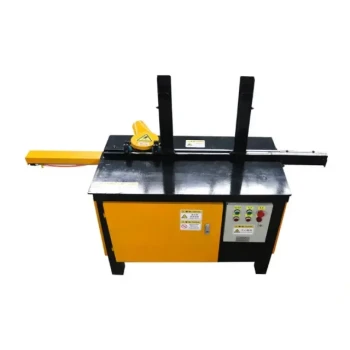
Industrial-grade grinding and mixing equipment serves a dual purpose: refining solid ingredients like fermented soybean (tempeh) to the micron level and ensuring a homogeneous blend with syrups and pollen. This mechanical precision is essential to create a feed texture that mimics natural pollen, ensuring the mixture is palatable to bees and biologically available for digestion.
Core Takeaway The ultimate goal of this machinery is to convert raw ingredients into a biologically accessible format. By reducing particle size to the micron scale and ensuring uniform nutrient distribution, the equipment guarantees that larvae receive consistent protein and essential amino acids, mirroring the nutritional profile of natural forage.
The Critical Role of Micronization
Replicating Natural Pollen Texture
The primary function of the grinding equipment is to reduce fermented soybean and other solids to a micron-level particle size.
Bees are highly sensitive to the physical texture of their food.
By achieving this microscopic size, the substitute feed closely mimics the physical properties of natural pollen, significantly improving palatability.
Enhancing Nutrient Absorption
Beyond texture, fine grinding increases the specific surface area of the ingredients.
Industrial grinders are capable of breaking the physical barriers of pollen cell walls.
This mechanical disruption allows the honeybee digestive system to effectively access and utilize proteins, lipids, and antioxidant substances that would otherwise remain locked inside the cell.
Preventing Feed Rejection
In the initial production stages, grinders process granulated sugar into extremely fine particles.
This is a critical step because bees often reject food if the sugar particles are too coarse.
Micronized sugar ensures the feed is accepted and can be easily processed by the bee’s digestive system.
The Importance of Homogenization
Ensuring Uniform Nutrition
Once the solids are ground, industrial mixing equipment blends them thoroughly with liquid components like syrup.
This process eliminates nutrient "hot spots" or deficiencies within the batch.
The result is a consistent distribution of protein and essential amino acids, ensuring every larva receives the exact nutrition required for healthy development.
Creating a Stable Mixture
High-grade mixers facilitate the uniform physical mixture of dry powders (like micronized pollen and sugar) with wet ingredients.
This thorough blending prevents separation and ensures the feed maintains a consistent consistency from production to the hive.
Understanding the Trade-offs
The Cost of Inconsistency
If the grinding process fails to reach the micron level, the feed becomes inefficient.
Bees will consume the syrup but may discard coarse solid particles, leading to significant waste of expensive protein ingredients.
Mechanical Stress vs. Nutrient Preservation
While aggressive grinding is necessary for bioavailability, it must be balanced.
The equipment must be precise enough to break cell walls without generating excessive heat that could degrade sensitive nutrients or enzymes in the fermented soybean and pollen.
Making the Right Choice for Your Goal
To select the right processing strategy, consider your primary objective for the colony:
- If your primary focus is Colony Acceptance: Prioritize grinding capabilities that achieve the finest micron-level particle size to prevent rejection.
- If your primary focus is Larval Development: Prioritize mixing efficiency to ensure every ounce of feed contains a uniform distribution of essential amino acids.
Precision processing transforms raw ingredients from simple biomass into a bio-available lifeline for the hive.
Summary Table:
| Process Function | Key Benefit | Impact on Honeybee Health |
|---|---|---|
| Micronization | Reduces solids to micron-level particles | Mimics natural pollen texture and prevents feed rejection. |
| Cell Wall Disruption | Breaks physical barriers of pollen/soybean | Increases specific surface area for better protein absorption. |
| Homogenization | Uniformly blends powders with syrups | Ensures consistent distribution of essential amino acids for larvae. |
| Stabilization | Prevents ingredient separation | Maintains feed consistency from production to the hive. |
Maximize Your Colony Productivity with HONESTBEE Precision Equipment
At HONESTBEE, we understand that high-quality feed is the foundation of a thriving commercial apiary. Our industrial-grade grinding and honey-filling machinery are designed to transform raw biomass into bio-available nutrition that your bees will love.
Why partner with HONESTBEE?
- Comprehensive Wholesale Offering: From specialized hive-making machines to advanced mixers, we provide the full spectrum of tools for distributors and large-scale operators.
- Unmatched Bioavailability: Our equipment achieves the precise micron-level grinding necessary to unlock proteins and enzymes, reducing waste and boosting larval development.
- Industry Expertise: We supply everything from hardware to honey-themed cultural merchandise, supporting every aspect of your beekeeping business.
Ready to elevate your feed production and business efficiency? Contact us today to explore our wholesale solutions!
References
- Rama Akbaruddin, Nur Cholis. Pengaruh Pemberian Tempe Kedelai dan Polen dalam Bentuk Pasta Terhadap Pertumbuhan Anakan Lebah Pekerja Apis mellifera. DOI: 10.21776/ub.jtapro.2018.019.02.9
This article is also based on technical information from HonestBee Knowledge Base .
Related Products
- Economy Honey Homogenizer Mixer and Melting Machine for Beekeeping
- Double Wall Honey Heating Stirring Homogenizer Mixing Machine with Various Capacity
- Heavy Duty Stainless Steel Honeycomb Cutter
- Electric Beeswax Flat Sheet Machine with Operating Tray for Wax Processing
- Modern Honeycomb Pattern Wooden Honey Dipper for Stirring and Drizzling
People Also Ask
- What impact do homogenizers or oscillating equipment have on honey microbial detection? Ensure Testing Accuracy
- Why is thorough mechanical stirring and homogenization emphasized in honey processing? Ensure Sample Accuracy
- How do heating equipment and homogenizers liquefy crystallized honey? Expert Guide to Professional Honey Processing
- What is the significance of honey homogenization? Elevate Commercial Honey Quality and Brand Consistency
- What is the role of homogenization equipment in the sensory evaluation of honey? Ensure Precision and Consistency