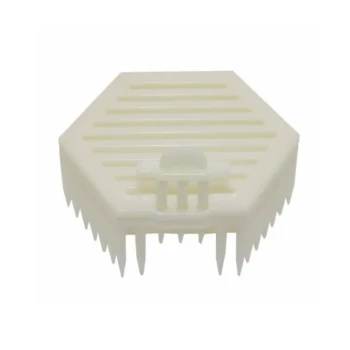
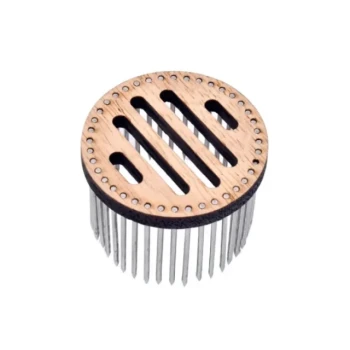
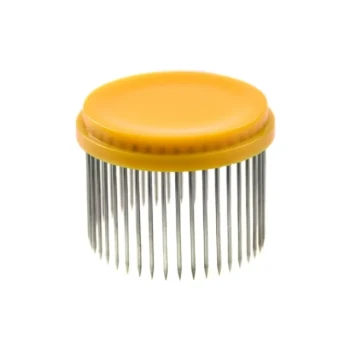
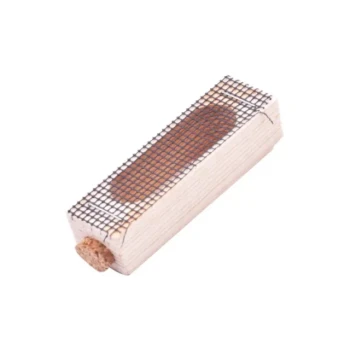
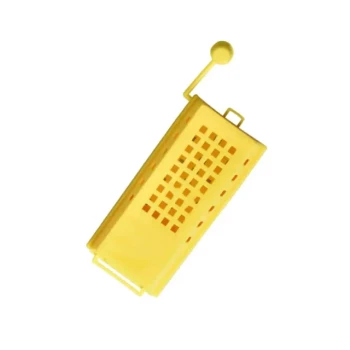
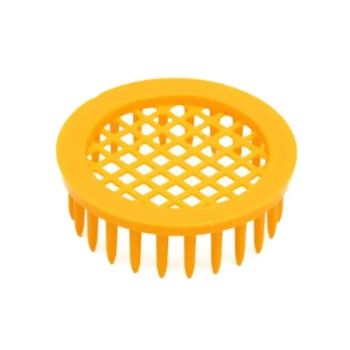
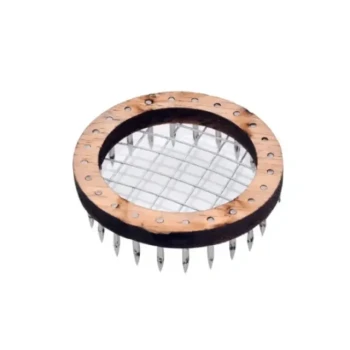
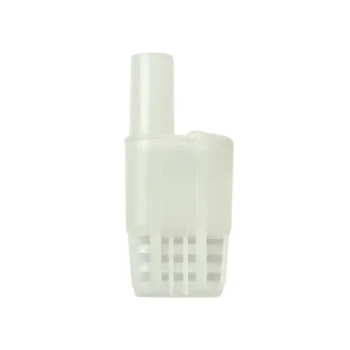
Introduction cages are critical protective tools used to facilitate the safe acceptance of new honey bee queens into established colonies. Their primary function is to physically shield a newly introduced, fertilized queen from aggressive worker bees during the volatile initial contact period. By preventing the death of the queen, these cages enable researchers to control the genetic makeup of the hive, a fundamental requirement for standardized scientific testing.
By safeguarding the queen during introduction, these cages allow for the establishment of genetically consistent colonies. This control eliminates genetic variability, ensuring that differences in hive performance can be attributed to specific experimental factors, such as nutritional treatments, rather than random genetic differences.
The Mechanics of Safe Introduction
Shielding the Queen
When a new queen is introduced to a colony, the resident worker bees often view her as an intruder. Without protection, they will attack and likely kill her.
The introduction cage acts as a physical barrier. It allows the workers to interact with the queen through a mesh or screen without being able to physically harm her.
Facilitating Scent Acclimation
Honey bee colonies rely heavily on chemical signals, or pheromones, to identify nestmates. A new queen carries a foreign scent that triggers aggression.
The cage holds the queen in the hive for a specific duration. This allows her pheromones to permeate the colony and permits the workers to become accustomed to her scent in a controlled manner.
Achieving Genetic Standardization
Creating a Baseline for Research
To conduct valid scientific studies on honey bees (Apis mellifera), researchers must isolate variables. Genetic diversity among different colonies can skew data significantly.
Introduction cages are the enabler for this standardization. They allow scientists to successfully install queens of known lineage (often sister queens) into multiple test colonies simultaneously.
Enabling Accurate Comparative Studies
The primary reference highlights the necessity of this equipment for comparing nutritional treatments. If colonies have different genetic aggressions or brood-rearing tendencies, nutritional data becomes unreliable.
By using introduction cages to ensure high genetic consistency across all test hives, researchers can be confident that observed changes in hive performance are actually caused by the nutrition being tested, not the bees' genetics.
Common Pitfalls and Considerations
Acceptance is Not Automatic
While introduction cages significantly increase success rates, they do not guarantee acceptance. If the cage is released too early, before the colony has fully acclimated to the queen's pheromones, rejection can still occur.
The Risk of Handling Errors
The process requires precision. Improper installation of the cage can lead to the queen being released prematurely or, conversely, being trapped for too long, which may stress the colony or damage the queen.
Making the Right Choice for Your Goal
Whether you are managing a commercial apiary or conducting a controlled study, the use of introduction cages is a standard for queen management.
- If your primary focus is Scientific Accuracy: Use introduction cages to install sister queens across all treatment groups to eliminate genetic variability as a confounding factor.
- If your primary focus is Colony Management: Utilize these cages to protect your investment when replacing lost or failing queens, ensuring the colony's survival.
Successful experimentation and colony management both rely on the seamless integration of the queen, the colony's most vital genetic asset.
Summary Table:
| Feature | Primary Function | Impact on Genetic Standardization |
|---|---|---|
| Physical Shielding | Protects queen from aggressive workers | Ensures survival of specific lineages for testing |
| Scent Acclimation | Allows pheromone distribution | Minimizes colony rejection rates in experimental groups |
| Variable Control | Facilitates sister queen introduction | Eliminates genetic noise to isolate experimental factors |
| Success Rate | Controlled release timing | Guarantees high acceptance across multiple test colonies |
Maximize Your Colony Performance with HONESTBEE
Precise queen management is the backbone of productive beekeeping and rigorous scientific research. At HONESTBEE, we understand the needs of commercial apiaries and distributors. We provide a comprehensive range of professional-grade beekeeping tools, specialized machinery, and essential consumables—from hive-making and honey-filling machines to durable queen introduction cages and cultural merchandise.
Whether you are scaling a commercial operation or supplying the industry, our wholesale solutions are designed to enhance efficiency and ensure genetic consistency across your hives.
Ready to elevate your apiary's productivity?
Contact us today to explore our full equipment catalog and wholesale offers.
References
- Mara Rúbia Romeu Pinto, Fábio Pereira Leivas Leite. Evaluation of low-cost, easy-to-prepare protein diets using beer yeast, sugar cane yeast and texturized soy protein for Africanized Apis mellifera in apiaries in Santa Catarina, Brazil. DOI: 10.33448/rsd-v11i3.26836
This article is also based on technical information from HonestBee Knowledge Base .
Related Products
- Durable Galvanized Steel Spring Queen Bee Cage
- Hexagonal Direct Comb Introduction Queen Bee Cage
- Premium Wood and Steel Push In Queen Cage
- Professional Queen Bee Introduction and Transport Cage
- Professional Round Push-In Queen Cage with Metal Tines
People Also Ask
- Why are specialized queen bee cages used for the banking of mated queen bees? Maximize Commercial Apiary Storage Efficiency
- What is the mechanism of action for using temporary queen bee cages? Master Successful Queen Introduction
- What is the step-by-step process for installing a queen bee's cage onto a frame? Ensure Hive Acceptance Safely
- What is the optimal placement for a queen bee cage? Essential Strategies for Successful Re-queening
- What are the advantages and disadvantages of introducing a queen bee by embedding the cage? Boost Your Queen Acceptance