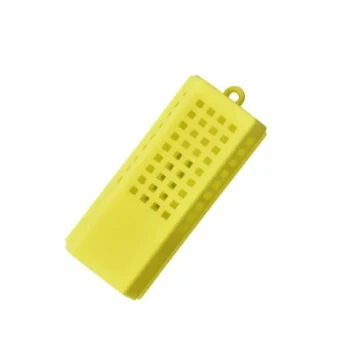
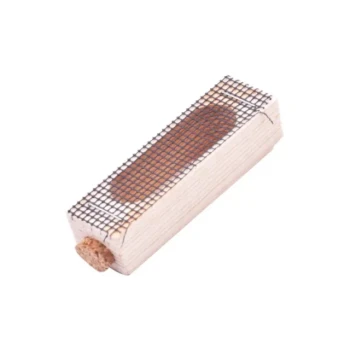
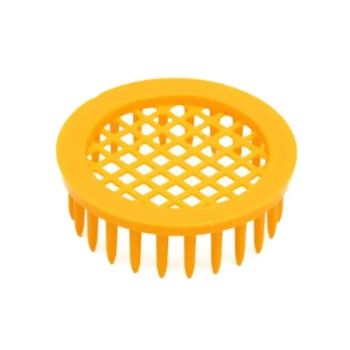
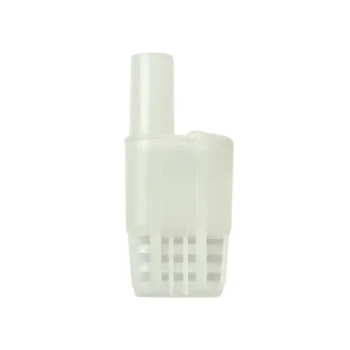
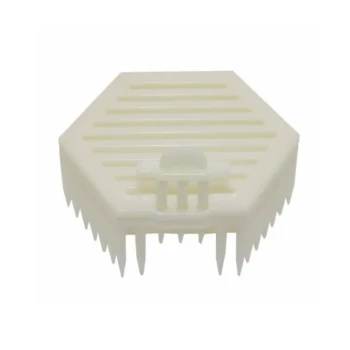
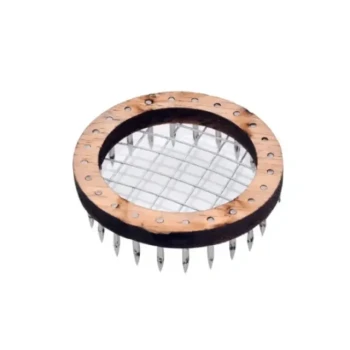
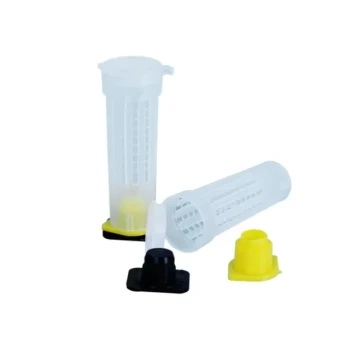
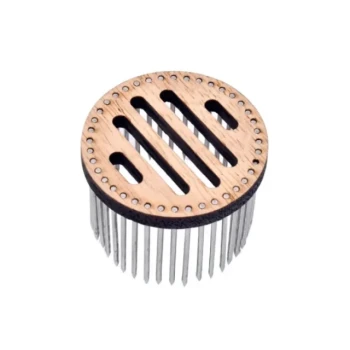
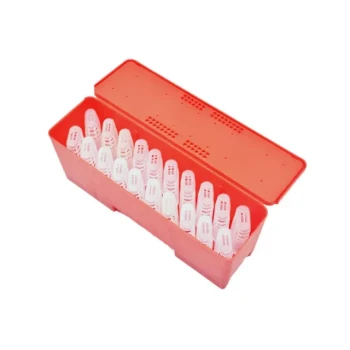
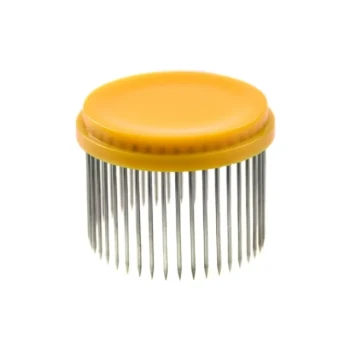
Embedding a queen cage directly into the comb is a method where the beekeeper presses the queen's shipping container into the wax foundation of a frame. While this technique places the queen in the optimal location for pheromone integration, it introduces physical risks to the comb structure and makes monitoring the release process significantly more intrusive.
Core Insight: The primary value of embedding the cage is positioning the queen deep within the brood nest where acceptance is highest. However, this comes at the cost of damaging existing brood and complicating the verification process, requiring you to disturb the colony to confirm her release.
The Advantage: Maximizing Acceptance
The singular, powerful advantage of this method involves the queen's physical location within the hive.
Optimal Positioning
Embedding the cage places the queen deep within the brood area. This is the heart of the colony, where nurse bees are most active and temperatures are most stable.
Accelerated Acclimation
By positioning the queen in the center of the nest, her pheromones are distributed more effectively among the bees that matter most for acceptance. This proximity to the brood nest can be highly effective in reducing rejection rates compared to placing her at the top or bottom of the frames.
The Disadvantages: Structural and Operational Risks
While the location is ideal, the mechanics of achieving that position create several distinct drawbacks.
Destruction of Existing Brood
To embed the cage securely, you must physically push it into the wax. This inevitably requires the destruction of existing brood (eggs, larvae, or capped cells) to create the necessary space for the cage.
Risk of Mechanical Failure
There is a tangible risk of the cage falling out during the reinsertion of the frame. If the wax is soft or the fit is not tight enough, the cage may dislodge, potentially injuring the queen or leaving her isolated on the bottom board away from the cluster's warmth.
Inspection Difficulty
Once the cage is embedded between frames, it is visually obscured. You cannot simply peer between the frames to check if the candy has been eaten and the queen released.
Increased Disturbance
Because visual inspection is impossible from the top, you must fully remove the frame to verify the queen's release. This action significantly disturbs the colony at a critical time when stress should be minimized to prevent the bees from attacking ("balling") the new queen.
Understanding the Trade-offs
When choosing an introduction method, you are balancing the biological need for acceptance against the operational need for stability and ease of inspection.
The Cost of Verification
The most significant operational trade-off is the inability to verify success without intervention. In standard methods (hanging the cage), a quick glance usually suffices. With embedding, the required frame manipulation risks the very acceptance you are trying to secure by placing her in the brood nest.
Stability vs. Proximity
You are trading the structural security of a hanging cage (which is often held by wire or wedged between top bars) for the biological benefit of proximity. If the cage falls, that biological benefit is immediately lost.
Making the Right Choice for Your Goal
How you proceed depends on the specific conditions of your colony and your comfort level with hive manipulation.
- If your primary focus is maximizing acceptance in a difficult colony: Embed the cage carefully in the brood nest, accepting that you will sacrifice some brood and must be extremely gentle when checking for release later.
- If your primary focus is minimizing colony disturbance: Avoid embedding; instead, hang the cage between frames where it can be inspected visually without removing the frame.
- If your primary focus is structural security: Do not embed the cage if the comb is new or soft, as the risk of the cage falling out is too high.
Summary: Embed the cage only when the need for deep brood nest positioning outweighs the risks of brood destruction and the disturbance caused by invasive inspections.
Summary Table:
| Aspect | Advantages (Pros) | Disadvantages (Cons) |
|---|---|---|
| Positioning | Deep in brood nest for high acceptance | Must destroy existing eggs or larvae |
| Acclimation | Faster pheromone distribution to nurse bees | Risk of cage falling out if wax is soft |
| Monitoring | Direct proximity to the heart of the colony | Requires frame removal to check release |
| Colony Stress | Stable temperature for the queen | High disturbance during inspection |
Maximize Your Apiary Productivity with HONESTBEE
Successful queen introduction is just the beginning of a thriving honey business. At HONESTBEE, we empower commercial apiaries and distributors with high-performance beekeeping tools and industrial machinery. Whether you need precision hive-making machines, efficient honey-filling lines, or a bulk supply of essential beekeeping consumables, our comprehensive wholesale solutions are designed to scale your operations.
Ready to upgrade your equipment? Contact us today to discover how our specialized hardware and industry expertise can streamline your production and grow your brand.
Related Products
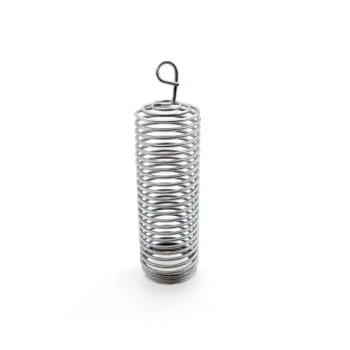
- Durable Galvanized Steel Spring Queen Bee Cage
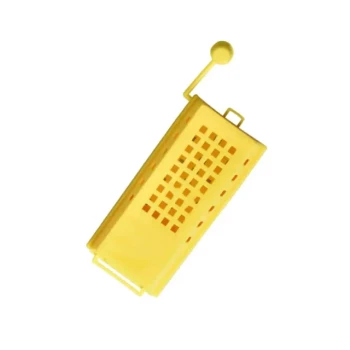
- Professional Queen Cage with Sliding Gate and Feeder Plug
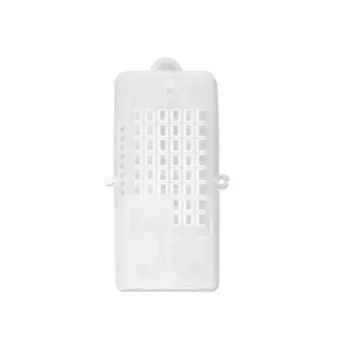
- Professional Queen Bee Introduction and Transport Cage
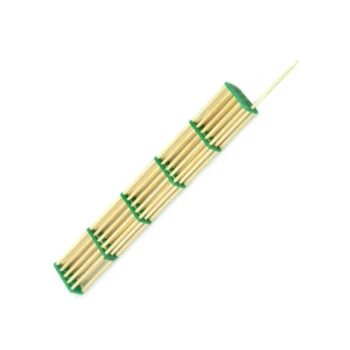
- Professional Bamboo Queen Isolation Cage
- Professional Multi-Functional Queen Bee Cage
People Also Ask
- Why are specialized queen bee cages used for the banking of mated queen bees? Maximize Commercial Apiary Storage Efficiency
- What is the mechanism of action for using temporary queen bee cages? Master Successful Queen Introduction
- What is the step-by-step process for installing a queen bee's cage onto a frame? Ensure Hive Acceptance Safely
- What is the optimal placement for a queen bee cage? Essential Strategies for Successful Re-queening
- How long does it typically take for bees to adjust to a new queen? Master the 2-7 Day Requeening Window