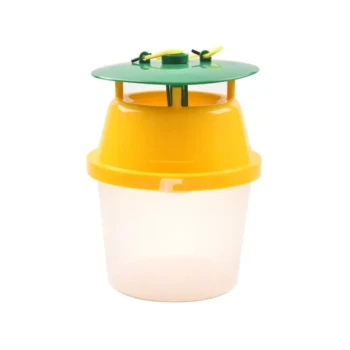
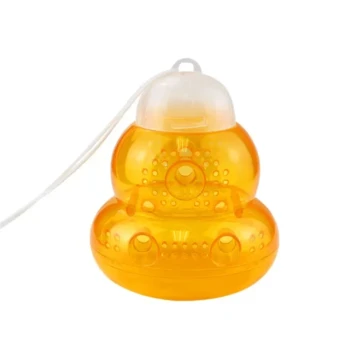
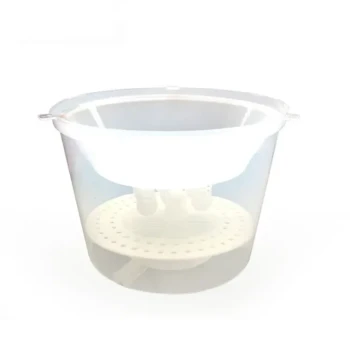
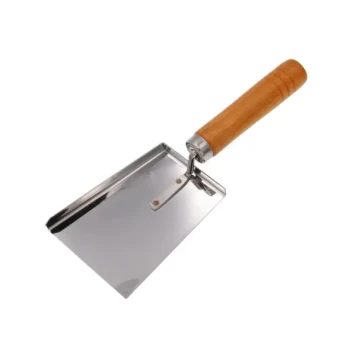
Pollen traps serve as the foundational hardware for expanding an apiary’s output beyond traditional honey production. Installed at the entrance of a beehive, these mechanical accessories utilize a physical barrier to dislodge pollen granules from the hind legs of returning worker bees, allowing the beekeeper to collect high-protein raw material without invasive hive manipulation.
By integrating pollen traps, apiaries can transition from a single-product reliance on honey to a diversified, multi-product economic model. This hardware enables the harvesting of high-value nutritional resources, distributing operational risk and increasing the total revenue potential per hive.
The Mechanics of Extraction
The Physical Barrier Principle
Pollen traps operate on a simple mechanical principle. They function as a selective grid or barrier placed at the hive entrance.
As worker bees return from foraging, they are forced to squeeze through specific mesh or holes to enter the colony.
Targeted Collection
This physical constriction is designed to gently strip pollen granules attached to the bees' hind legs.
The dislodged granules fall into a designated collection tray, separating the pollen from the bee immediately upon entry.
Strategic Economic Diversification
Breaking the "Honey-Only" Cycle
The primary function of the pollen trap is to break the apiary's dependency on a single commodity.
By collecting pollen, producers create a multi-product matrix that can include honey, propolis, royal jelly, and bee bread.
Increasing Operational Resilience
Diversification acts as a buffer against market volatility or poor honey yields.
Collecting pollen distributes operational risks, ensuring that the apiary generates revenue even when honey production is low due to environmental factors.
Accessing High-Value Markets
Pollen is not just a food source for bees; it is a bio-active raw material sought after by the pharmaceutical and cosmetic industries.
Using traps to harvest pure, high-protein pollen allows producers to enter these high-margin health and nutrition markets, significantly enhancing economic efficiency compared to selling honey alone.
Operational Advantages
Passive Harvesting
Unlike royal jelly extraction, which can require significant labor and technical skill (such as grafting), pollen traps utilize the biological habits of the bees for collection.
This lowers the technical threshold and labor intensity required to harvest secondary bee products.
Ensuring Product Purity
Specialized traps are designed to minimize cross-contamination at the source.
By capturing the pollen immediately at the entrance, the equipment ensures the material remains hygienic and suitable for high-end human consumption or medical processing.
Understanding the Trade-offs
Impact on Colony Nutrition
While pollen traps are essential for diversification, they effectively limit the colony's access to its natural protein source.
If used excessively, this can starve the nurse bees and inhibit larval development, as the colony is deprived of the resources needed to rear brood.
The Necessity of Management
Successful use requires a balance between commercial collection and colony health.
Beekeepers must monitor the hive to ensuring the bees retain enough pollen for their own survival, or supplement with pollen patties if the traps are left active for extended periods.
Making the Right Choice for Your Goal
To effectively utilize pollen traps for diversification, you must align their usage with your specific business objectives.
- If your primary focus is Maximum Revenue: Implement traps during peak bloom periods to harvest high volumes for pharmaceutical or nutritional buyers, leveraging the higher margins of bio-active raw materials.
- If your primary focus is Colony Stability: Use traps intermittently or on a rotational schedule to collect supplemental income without compromising the nutritional intake required for healthy brood rearing.
Pollen traps transform pollen from a biological necessity for the bee into a scalable economic asset for the beekeeper.
Summary Table:
| Feature | Function in Diversification | Economic Impact |
|---|---|---|
| Mechanical Grid | Strips pollen granules from worker bees' legs | Enables raw material collection for pharmaceutical/cosmetic use |
| Collection Tray | Separates pollen from honey storage | Creates a secondary product line (Multi-product matrix) |
| Passive Extraction | Low-labor harvesting utilizing bee biology | Reduces technical overhead and labor costs |
| Risk Mitigation | Provides income when honey yields are low | Increases operational resilience against market volatility |
| Purity Control | Minimizes contamination at the hive entrance | Increases product value for high-end nutrition markets |
Scale Your Apiary Operations with HONESTBEE
Are you ready to transition from a honey-only model to a high-margin, multi-product business? HONESTBEE specializes in empowering commercial apiaries and distributors with the professional hardware needed to scale.
We provide a comprehensive wholesale range, including:
- Advanced Bee Hardware: Precision pollen traps, hive-making machinery, and honey-filling equipment.
- Industrial Consumables: All the essential tools and supplies for large-scale production.
- Brand Support: Unique honey-themed cultural merchandise to enhance your retail presence.
Whether you are expanding your own production or supplying the industry, our premium equipment ensures maximum efficiency and product purity.
Contact HONESTBEE today to optimize your wholesale supply chain!
References
- Alperen Varalan, Mustafa Bahadır ÇEVRİMLİ. Kars İlinde Arıcılık İşletmelerinin Sosyo-Ekonomik Yapısı Üzerine Bir Araştırma. DOI: 10.47027/duvetfd.1330239
This article is also based on technical information from HonestBee Knowledge Base .
Related Products
- Removable Plastic Pollen Trap With Ventilated Tray for Bees Pollen Collector
- 30 cm Plastic Entrance Hole Bee Pollen Trap and Collector
- Plastic Bee Pollen Trap Strips Comb Catcher Collector
- High-Efficiency Diamond Maze Bee Escape for Clearing Supers
- Professional Bucket Style Wasp and Moth Pheromone Trap
People Also Ask
- What are the design principles and advantages of pollen traps in the collection of bee pollen? Boost Your Apiary Yield
- What is the function of professional pollen traps in evaluating honey plants? Quantifying Pollination and Crop Potential
- What functions do pollen traps serve for bee bread production? Optimize Your Raw Material Collection
- What maintenance and pest prevention measures should be taken for pollen traps? Protect Your Hive and Harvest Quality
- How does the use of pollen traps in honeybee hives enhance crop fertilization? Boost Your Yield Through Induced Activity