Precision silicone molds are the engineering foundation for high-acceptance queen rearing. They function as high-accuracy templates for casting molten beeswax or paraffin into uniform queen cell cups. By ensuring every cup meets exact dimensional standards, these molds provide the consistency necessary for worker bees to accept and nurture grafted larvae on a commercial scale.
Precision silicone molds translate technical standardization into biological success by ensuring every wax cup mimics natural dimensions. This uniformity is the primary driver for high larval acceptance rates and efficient, large-scale queen production.
Achieving Geometric Consistency and Operational Efficiency
Exact Dimensional Control
The primary function of these molds is to produce cups with a standardized 9mm diameter and 10mm depth. These specific dimensions represent the optimal spatial requirements for queen bee larval development and royal jelly storage. For distributors, providing tools that guarantee this precision is essential for ensuring end-user success in the Doolittle artificial queen rearing process.
Material Flexibility and De-molding
High-quality silicone offers exceptional heat resistance and flexibility, allowing molten wax to be cast and cooled rapidly. The non-stick nature of the material facilitates easy de-molding, ensuring that the delicate wax cups maintain their geometric integrity without cracking or deforming. This efficiency is critical for manufacturers and resellers who must fulfill high-volume orders for beekeeping consumables.
Durability in Professional Production
Precision molds are designed for repeated use in high-output environments, maintaining their shape despite constant thermal cycling. This durability ensures that the thousandth cup produced is identical to the first. For wholesalers, this consistency reduces product returns and builds a reputation for professional-grade reliability.
Maximizing Biological Success in the Hive
Simulating Natural Conditions
The function of the mold is not just to create a container, but to mimic the physical characteristics of natural queen cell bases. When wax cups are cast with precision, they accurately simulate the environment built by worker bees in the wild. This simulation is the key factor in inducing the rearing impulse in nurse bees within a queenless colony.
Enhancing Acceptance Rates
Standardized wax cups act as artificial guiding devices that prompt nurse bees to recognize grafted larvae as potential queens. Because the molds ensure uniform size and shape, they eliminate variables that might cause worker bees to reject the cell. This lead to a higher acceptance rate, allowing breeders to accurately track larval development and optimize royal jelly collection.
Support for Large-Scale Grafting
By providing a consistent substrate, these molds allow for the mass cultivation of queen bees within a single colony. The resulting wax cups are secured to queen rearing frames, creating an organized system for commercial breeders. This level of standardization is what enables the efficient fulfillment of large-scale queen bee orders in the global market.
Understanding the Trade-offs and Quality Standards
Silicone Quality vs. Casting Precision
Not all silicone molds are equal; lower-grade materials may warp over time, leading to dimensional drift. Even a 1mm deviation can significantly lower the acceptance rate of the larvae by the colony. Resellers must prioritize food-grade, high-tensile silicone to ensure the safety of the larvae and the longevity of the tool.
Wax Purity and Mold Interaction
The performance of the mold is also dependent on the purity of the beeswax or paraffin used. Impurities in the wax can cause sticking or incomplete casting, even in high-precision molds. Experts recommend using refined yellow beeswax to ensure the best interaction with the silicone surface and the highest biological acceptance.
How to Select the Right Sourcing Strategy
Making the Right Choice for Your Goal
Choosing the right production tools is a strategic decision that affects the entire supply chain. As a technical partner, we recommend aligning your inventory with the specific needs of your professional beekeeping clientele.
- If your primary focus is rapid market entry and volume: Prioritize molds that emphasize high-speed de-molding and compatibility with automated paraffin casting systems.
- If your primary focus is premium biological performance: Source precision silicone molds that strictly adhere to the 9mm x 10mm "Golden Standard" to maximize queen acceptance for elite breeders.
- If your primary focus is supply chain reliability: Partner with a distributor that offers a comprehensive portfolio of both molds and finished wax consumables to ensure one-stop sourcing and ultra-fast delivery.
Precision in the mold ensures excellence in the hive, providing the technical foundation for a thriving commercial queen-rearing operation.
Summary Table:
| Feature | Technical Detail | Strategic Benefit for Rearing |
|---|---|---|
| Dimensional Control | Standard 9mm x 10mm size | Mimics natural cells to optimize royal jelly storage. |
| Material Quality | High-tensile, food-grade silicone | Ensures easy de-molding and long-term tool durability. |
| Biological Mimicry | Precise base geometry | Induces rearing impulses and boosts larval acceptance. |
| Production Efficiency | Rapid thermal cycling resistance | Supports high-volume casting for commercial apiaries. |
Scale Your Success with HONESTBEE’s Professional Sourcing
Elevate your wholesale inventory with HONESTBEE, your dedicated partner for high-performance beekeeping equipment. We provide a one-stop sourcing solution tailored for distributors and B2B resellers, offering everything from precision silicone molds to industrial-grade honey-filling machines and hive-making hardware.
Why partner with us?
- Comprehensive Portfolio: Access a full spectrum of beekeeping tools and essential consumables.
- Built for Profit: Benefit from competitive margins and reliable OEM/ODM support.
- Operational Excellence: Experience ultra-fast delivery and rapid response times from industry experts.
Ready to streamline your supply chain and provide your customers with elite-grade rearing tools? Contact HONESTBEE today to discuss our wholesale offerings and professional trading services!
References
- Mohammed Ahmed Alshogari, A. M. Raut. Queen Rearing Optimization: Role of Queen Cup Materials and Substrates on Larval Acceptance and Queen Emergence Rate in <i>Apis Mellifera</i> L. DOI: 10.55446/ije.2025.3263
This article is also based on technical information from HonestBee Knowledge Base .
Related Products
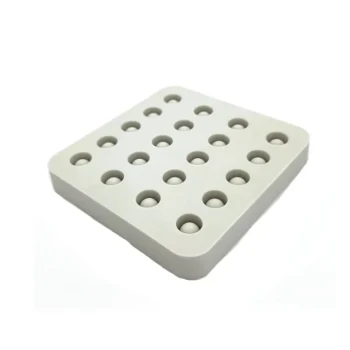
- High-Efficiency 20-Cell Silicone Mold for Beeswax Bee Queen Cup Production
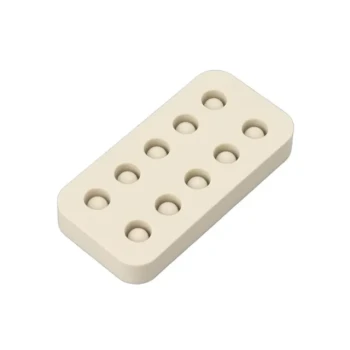
- 10-Cell Silicone Beeswax Bee Queen Cups Forming Mold
- 3D Beehive Silicone Skep Wax Candle Molds for Candles
- Colorful Silicone Beeswax Foundation Mold Mould for Beekeeping
- JZBZ Type Wide Base Plastic Queen Cell Cups for Base Mounting and Queen Rearing
People Also Ask
- What is the first tip for pouring beeswax into a silicone mold? Ensure a Perfect Release
- What are the technical advantages of using precision silicone molds for the manufacturing of beeswax queen cups? - Scale
- How do beeswax queen cell cups function? Optimize Queen Rearing with Biological Mimicry
- What is the biological function of beeswax queen cell cups? Boost Acceptance in Artificial Queen Rearing
- What are the advantages of using tapered wooden dowels for queen cups? Boost Rearing Consistency & Acceptance