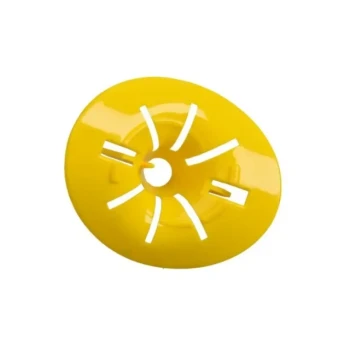
PVC pollen traps serve as precise mechanical filters installed at hive entrances to intercept and collect foraging bees' pollen loads before they enter the colony. By forcing returning bees through specific apertures that dislodge pollen pellets, these devices provide raw, unaltered environmental samples. This mechanism allows researchers to assess landscape-level pesticide exposure in real-time, free from the biological and chemical alterations that occur once pollen is stored inside the hive.
By capturing pollen at the precise moment of entry, PVC traps isolate immediate environmental contamination data, eliminating the variables of microbial metabolism and internal colony cross-contamination found in stored bee bread.
The Mechanism of Sample Collection
Physical Interception
The trap functions by partially restricting the hive entrance with a specific mechanical structure. Returning foragers must crawl through small holes or a wire mesh grid to enter their colony.
Separation of Material
These apertures are sized precisely to allow the bee’s body to pass while stripping the pollen pellets from their hind legs. The dislodged pollen falls through a screen into a collection tray, isolating it from the bees.
Advantages for Exposure Assessment
Eliminating Internal Interference
The primary value of the PVC trap is its ability to secure samples that have not yet been processed by the colony. Stored pollen, known as bee bread, undergoes fermentation and mixing with hive secretions.
Avoiding Microbial Degradation
Samples collected via traps bypass the microbial metabolism inherent in hive storage. This ensures that the chemical composition of the sample reflects the environment, not the hive's internal biology.
Preventing Cross-Contamination
Traps capture only what is brought in during a specific window. This prevents the mixing of new contaminants with older, previously stored pesticide residues.
Contextualizing Landscape Risks
Defining Specific Timeframes
Because the collection is immediate, researchers can define exact sampling windows. This allows for the correlation of pesticide presence with specific agricultural spraying events or seasons.
Mapping Chemical Concentrations
The raw pellets enable quantitative analysis of specific insecticides, such as neonicotinoids. This data provides an accurate map of the actual chemical exposure levels in the surrounding forage.
Identifying Floral Sources
Beyond chemical analysis, these samples support DNA metabarcoding. This identifies the specific plant species bees are visiting, linking pesticide exposure to specific crops or wild plants.
Understanding the Trade-offs
Mechanical Obstruction
While effective for sampling, the trap acts as a physical barrier. Forcing bees through small apertures can hinder their natural movement and slow down the colony's intake of resources.
Potential Nutritional Deficits
The trap is designed to strip resources away from the colony. Extended use can deprive the hive of necessary protein, potentially impacting brood rearing and overall colony health.
Making the Right Choice for Your Goal
To effectively utilize PVC pollen traps in your research or monitoring strategy, align the tool with your specific data requirements.
- If your primary focus is measuring acute, real-time pesticide exposure: Use PVC traps to capture raw pellets, as they reflect immediate landscape contamination without hive dilution.
- If your primary focus is identifying the specific source of contamination: Combine trap collection with DNA metabarcoding to link chemical residues to specific plant species in the forage radius.
- If your primary focus is maintaining colony strength during sampling: Limit the duration of trap installation to short intervals to prevent nutritional stress on the hive.
PVC pollen traps act as a definitive checkpoint, converting a biological workflow into a verifiable data stream for environmental risk assessment.
Summary Table:
| Feature | Function & Benefit |
|---|---|
| Mechanism | Mechanical apertures strip pollen pellets from foragers' hind legs upon entry. |
| Data Integrity | Prevents sample degradation from microbial metabolism or mixing with old bee bread. |
| Time Sensitivity | Enables precise correlation between sampling and specific agricultural spraying events. |
| Traceability | Supports DNA metabarcoding to identify specific floral sources linked to pesticide residues. |
| Research Value | Provides a raw, unaltered map of chemical concentrations in the surrounding forage. |
Maximize Your Colony Insights with HONESTBEE
At HONESTBEE, we specialize in empowering commercial apiaries and distributors with the high-performance tools required for modern beekeeping management. Whether you are conducting environmental research or scaling your honey production, we provide a comprehensive wholesale range of specialized hardware, hive-making machinery, and essential industry consumables.
Our expertise goes beyond supply—we offer the technical infrastructure, from honey-filling machines to specialized traps, to ensure your operations are efficient and data-driven. Partner with HONESTBEE today to access professional-grade equipment tailored to your landscape's needs.
Contact our expert team now to discuss your wholesale requirements!
References
- Noa Simon‐Delso, Louis Hautier. The challenges of predicting pesticide exposure of honey bees at landscape level. DOI: 10.1038/s41598-017-03467-5
This article is also based on technical information from HonestBee Knowledge Base .
Related Products
- Removable Plastic Pollen Trap With Ventilated Tray for Bees Pollen Collector
- 30 cm Plastic Entrance Hole Bee Pollen Trap and Collector
- Plastic Bee Pollen Trap Strips Comb Catcher Collector
- Plastic Beetle Blaster Trap Beekeeping Tools and Supplies
- Black Plastic Beetle Barn Hive Beetle Trap for Beehives
People Also Ask
- What are the design principles and advantages of pollen traps in the collection of bee pollen? Boost Your Apiary Yield
- What is the function of professional pollen traps in evaluating honey plants? Quantifying Pollination and Crop Potential
- What functions do pollen traps serve for bee bread production? Optimize Your Raw Material Collection
- What maintenance and pest prevention measures should be taken for pollen traps? Protect Your Hive and Harvest Quality
- How does the use of pollen traps in honeybee hives enhance crop fertilization? Boost Your Yield Through Induced Activity