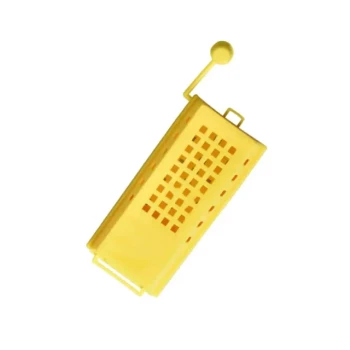
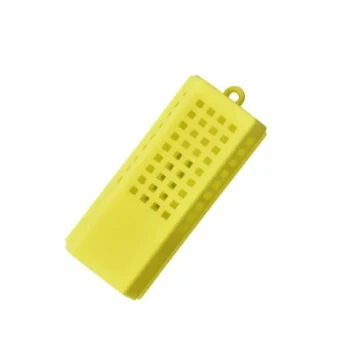
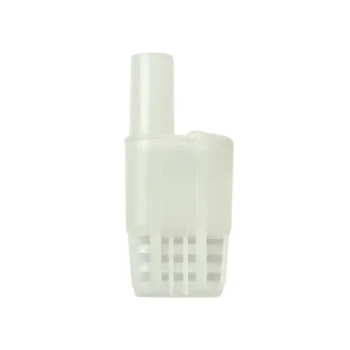
Specialized experimental wooden cages function as controlled, micro-scale environments designed to simulate the conditions of a natural honey bee colony. Their primary purpose is to allow researchers to administer precise dosages of treatments—such as Laurus nobilis extracts—via gravity feeders or syringes, enabling accurate observation of adult bee survival and oral toxicity.
By replicating colony dynamics in a confined space, these cages enable precise dosage control and data collection, making them essential tools for evaluating the biosafety and efficacy of anti-microsporidian treatments.
Simulating the Colony Environment
Creating a Micro-Scale Ecosystem
To understand how a treatment affects honey bees, researchers cannot simply rely on petri dishes; they need an environment that mimics a hive.
These wooden cages provide a controlled, micro-scale environment that simulates a honey bee colony. This allows for valid experimentation without the uncontrolled variables found in a full-sized field hive.
Facilitating Observation
The design of these cages is centered on visibility and accessibility.
Researchers use this hardware to observe the direct effects of substances on adult bees. This setup is particularly effective for monitoring survival rates over time and identifying signs of oral toxicity.
Precision in Treatment Administration
Controlled Dosage Mechanisms
One of the most critical functions of these cages is ensuring that bees consume the exact amount of a test substance.
The design accommodates gravity feeders or syringes, which allows for precise regulation of the intake. This removes the guesswork often associated with field trials, where food sources cannot be strictly controlled.
Evaluating Laurus nobilis and Plant Extracts
The primary reference highlights the use of these cages in testing Laurus nobilis (bay laurel) extracts.
The controlled feeding mechanism ensures that researchers can accurately assess both the safety of the extract and its potential benefits. This establishes a clear link between the administered dose and the biological outcome.
Assessing Efficacy and Biosafety
Targeting Microsporidian Infections
These cages are essential hardware for studying Nosema, a microsporidian parasite that affects honey bees.
By maintaining a stable environment, researchers can evaluate the anti-microsporidian efficacy of plant extracts. They can determine if a treatment effectively reduces infection levels in the confined population.
Ensuring Biosafety
Before a treatment can be used in a commercial apiary, it must be proven safe.
These cages facilitate the rigorous data collection required to assess biosafety. They allow researchers to confirm that a treatment kills the parasite without harming the host bee.
Understanding the Trade-offs
Simulation vs. Natural Complexity
While these cages simulate a colony, they are an approximation, not a replacement for a full hive.
The "micro-scale" nature means that complex social interactions and brood rearing dynamics found in a full colony are simplified.
Material Interactions
The use of wood is significant as it mimics the natural texture of a hive, but it introduces variables compared to sterile plastic.
Researchers must ensure that the wooden structure itself does not interact with the chemical treatments or harbor pathogens between trials, necessitating strict cleaning protocols.
Making the Right Choice for Your Research
When utilizing experimental wooden cages for bee pathology, align your usage with your specific data requirements:
- If your primary focus is Biosafety: Use the gravity feeders to ensure consistent consumption across all subjects to rule out oral toxicity.
- If your primary focus is Efficacy: Leverage the micro-scale environment to isolate infected bees and measure the precise impact of plant extracts on Nosema spore counts.
By controlling the environment and dosage, you transform anecdotal observation into rigorous, quantifiable data.
Summary Table:
| Feature | Function in Research | Key Benefit |
|---|---|---|
| Micro-scale Design | Simulates colony dynamics | Provides controlled variables for valid data |
| Integrated Feeders | Gravity feeders or syringes | Ensures precise dosage of treatments/extracts |
| Wooden Structure | Mimics natural hive texture | Reduces stress by replicating habitat conditions |
| Isolation Capacity | Separates infected populations | Accurate measurement of anti-microsporidian efficacy |
| Observation Setup | Facilitates visual monitoring | Easier assessment of survival and oral toxicity |
Elevate Your Research and Apiary Operations with HONESTBEE
At HONESTBEE, we understand that precision is the foundation of successful beekeeping, whether in a laboratory or a commercial apiary. As a premier provider for commercial apiaries and distributors, we supply a comprehensive range of high-quality beekeeping tools, specialized machinery, and essential consumables.
From honey-filling and hive-making machines to professional-grade hardware and cultural merchandise, our wholesale offerings are designed to streamline your production and enhance bee health. Let us provide the industrial-strength equipment you need to scale your business.
Ready to upgrade your equipment?
Contact HONESTBEE Today to discuss our full spectrum of beekeeping solutions and wholesale pricing.
References
- Natalia Damiáni, Martín J. Eguaras. Laurel leaf extracts for honeybee pest and disease management: antimicrobial, microsporicidal, and acaricidal activity. DOI: 10.1007/s00436-013-3698-3
This article is also based on technical information from HonestBee Knowledge Base .
Related Products
- Professional Wooden Requeening Frame for Beekeeping
- Wood and Mesh Push-In Queen Cage
- Premium Wood and Steel Push In Queen Cage
- Classic Wooden and Mesh California Queen Cage
- Hexagonal Direct Comb Introduction Queen Bee Cage
People Also Ask
- What are the primary functions of beekeeping frames? Boost Efficiency with Professional Hive Management
- What are the best practices for assembling beekeeping frames? Pro Tips for Maximum Durability & Efficiency
- How are deep, medium, and shallow frames typically used in beekeeping? Optimize Your Hive Setup
- What are the characteristics of wooden frames in beekeeping? Unlock Natural Flexibility & Cost-Effectiveness
- What are the common specifications for wooden beekeeping frames used in colony expansion? Your Complete Guide