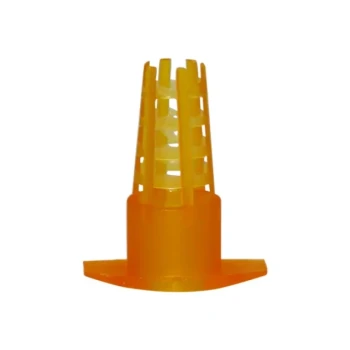
Specialized plastic queen cell cups serve as precision vessels designed to mimic the natural environment of a queen bee cell, thereby inducing worker bees to secrete Royal Jelly. In a research context, these cups function as the primary standardized containers, allowing scientists to harvest Royal Jelly at exact developmental milestones to ensure consistent data analysis.
By simulating natural queen cells, these cups allow for standardized sampling. They enable researchers to collect Royal Jelly at specific intervals—such as 24, 48, or 72 hours—to study age-specific compositional changes.
The Mechanics of Standardized Collection
Inducing Natural Secretion
The fundamental function of the plastic cup is biological simulation.
The cup is designed to mimic the geometry and presence of a natural queen cell.
This structure triggers an instinctual response in worker bees, prompting them to fill the cup with Royal Jelly to feed a potential new queen.
Achieving Temporal Precision
In scientific research, the age of the Royal Jelly is often a critical variable.
Plastic cups allow researchers to control the timeline of collection with high precision.
By harvesting these cups at specific intervals—24, 48, or 72 hours—scientists can obtain age-specific samples.
This ensures that the chemical composition of the jelly is consistent across the study, eliminating variables caused by random collection times.
Serving as Primary Containers
Beyond stimulation, these cups act as the physical vessels for the entire process.
They house the jelly from the moment of secretion until the moment of collection.
This eliminates the need to transfer larvae or jelly between different containers during the development phase, reducing contamination risks.
Understanding the Trade-offs
Durability vs. Acceptance Rates
While plastic cups provide the mechanical strength and standardization needed for industrial or laboratory setups, they lack the biological familiarity of wax.
Natural beeswax cups possess higher biocompatibility.
Because bees recognize the material, they accept beeswax cups more readily than plastic ones.
This typically results in a higher volume of Royal Jelly deposited in wax cups compared to plain plastic.
The Hybrid Approach
Researchers must often balance the need for durable, standardized equipment with the need for high yields.
Using untreated industrial plastic can lead to lower acceptance rates by the colony.
To mitigate this, plastic cups can be treated with a beeswax coating.
This creates a "best of both worlds" scenario: the cup retains the mechanical strength of plastic while offering the natural texture bees prefer, thereby increasing the yield.
Making the Right Choice for Your Project
When designing a study or collection protocol, the choice of cup material impacts both your workflow and your data.
- If your primary focus is rigorous standardization: Prioritize high-quality plastic cups to ensure every sample container is identical in shape and volume for precise age-interval collection (24h/48h/72h).
- If your primary focus is maximum yield: utilize plastic cups with a beeswax coating to improve acceptance rates while maintaining the benefits of a rigid container.
By selecting the right vessel, you ensure that your Royal Jelly samples are both biologically representative and scientifically comparable.
Summary Table:
| Feature | Function in Research | Key Benefit |
|---|---|---|
| Biological Mimicry | Induces worker bees to secrete Royal Jelly | High acceptance & consistent production |
| Temporal Control | Allows harvesting at 24, 48, or 72-hour intervals | Accurate age-specific compositional data |
| Standardized Geometry | Provides uniform container volume and shape | Consistent sampling for data analysis |
| Durability & Hybridity | Supports beeswax coating for better biocompatibility | Combines structural strength with high yields |
Elevate Your Apiary's Productivity with HONESTBEE
At HONESTBEE, we understand the precision required for both scientific research and large-scale commercial royal jelly production. As a leading provider for commercial apiaries and distributors, we offer a comprehensive wholesale range of professional beekeeping tools, from high-precision queen cell cups to advanced honey-filling and hive-making machinery.
Whether you are looking to source specialized hardware or essential industry consumables, our portfolio is designed to enhance your operational efficiency and yield. Partner with us to access premium beekeeping equipment and honey-themed cultural merchandise tailored to your market's needs.
Ready to scale your production? Contact us today to explore our wholesale solutions!
References
- Feng Mao, Jianke Li. Mechanistic Insight into Royal Protein Inhibiting the Gram-Positive Bacteria. DOI: 10.3390/biom11010064
This article is also based on technical information from HonestBee Knowledge Base .
Related Products
- JZBZ Type Wide Base Plastic Queen Cell Cups for Base Mounting and Queen Rearing
- Clear Black Plain Polystyrene Queen Bee Grafting Cell Cups No Lug for Bee Queen Cup
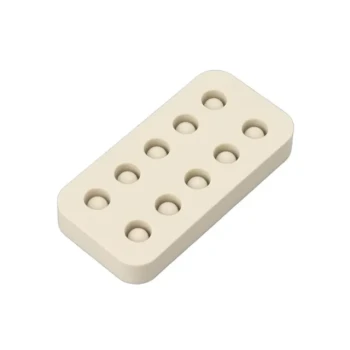
- 10-Cell Silicone Beeswax Bee Queen Cups Forming Mold
- Brown Nicot Queen Cell Cups for Breeding Queen Bees Beekeeping
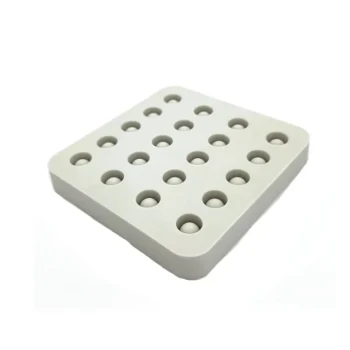
- High-Efficiency 20-Cell Silicone Mold for Beeswax Bee Queen Cup Production
People Also Ask
- What is the primary function of commercial plastic queen cell cups? Driving Efficiency in Mass Queen Rearing
- What are the primary advantages of using plastic queen cell cups? The Industrial Choice for High-Efficiency Apiaries
- What technical advantages do commercial plastic queen cell cups offer? Scale Your Queen Rearing for Maximum Efficiency
- What is the function of standardized plastic Queen Cell Cups? Boost Efficiency in Commercial Larval Grafting
- Why are standardized plastic queen cell cups preferred? Boost Commercial Queen Rearing Efficiency