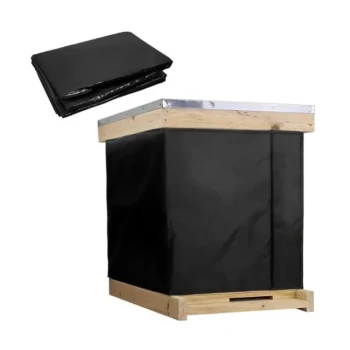
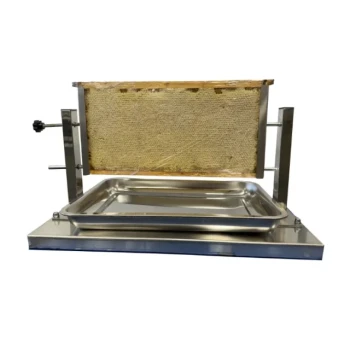
Stacked hive stands and heat-insulating tent cloths function as a critical environmental defense system in apiaries situated in extreme climates. These tools primarily provide essential physical shade and optimize vertical space to mitigate the severe effects of high temperatures.
Core Insight: By shielding hives from direct solar radiation, this infrastructure significantly lowers the energy colonies must expend on thermoregulation, directly boosting survival rates and productivity in high-density operations.
Combatting Thermal Stress
Shielding Against Solar Radiation
The primary role of heat-insulating tent cloths is to block direct sunlight. In desert or tropical environments, solar radiation is the single largest contributor to hive overheating.
By intercepting this heat before it reaches the hive surface, the cloths maintain a manageable ambient temperature around the colony.
Conserving Colony Energy
When a hive overheats, bees are forced to divert energy from foraging and brood rearing to cool the hive (thermoregulation).
Stacked stands and insulating cloths reduce the need for this metabolic expenditure. This allows the colony to reserve its energy for vital productivity and survival tasks rather than fighting heat stress.
Optimizing Operational Density
Vertical Space Utilization
Stacked hive stands are designed to maximize the number of colonies that can be managed in a limited footprint.
This is particularly important in regions where suitable apiary sites—those with access to water or specific forage—are scarce.
Supporting High-Density Populations
By combining vertical stacking with effective shading, beekeepers can maintain high-density populations without inducing the stress typically associated with overcrowding in hot climates.
Understanding the System Boundaries
Environmental vs. Biological Control
It is crucial to distinguish between environmental infrastructure and biosecurity protocols. While stands and cloths effectively manage physical heat stress, they offer no protection against biological threats.
The Limits of Hardware
As noted in broader operational contexts, preventing pathogen transmission (such as American Foulbrood spores) requires a completely different set of tools, specifically protective clothing and disinfection equipment.
Apiary managers must not mistake the physical protection of shading systems for total colony security; environmental control and biosecurity are separate, equally vital pillars of operation.
Integrating Infrastructure for Colony Health
To maximize the effectiveness of your apiary infrastructure, assess your primary operational goals:
- If your primary focus is Colony Survival: Prioritize heat-insulating tent cloths to minimize thermoregulatory stress and prevent overheating.
- If your primary focus is Site Efficiency: Utilize stacked hive stands to increase colony density in limited geographic areas without sacrificing airflow.
Effective apiary management requires balancing physical heat mitigation with rigorous biological safety protocols.
Summary Table:
| Feature | Primary Function | Operational Benefit |
|---|---|---|
| Heat-Insulating Cloth | Blocks direct solar radiation | Lowers energy spent on thermoregulation |
| Stacked Hive Stands | Vertical space optimization | Increases colony density in limited areas |
| Integrated System | Environmental defense | Improves survival rates and honey productivity |
| Physical Shielding | Thermal mitigation | Reduces metabolic stress on the colony |
Elevate Your Commercial Apiary Productivity with HONESTBEE
Operating in extreme climates demands more than just basic equipment; it requires professional-grade infrastructure designed for high-density success. HONESTBEE specializes in supporting commercial apiaries and distributors with a comprehensive wholesale portfolio.
Whether you need precision hive-making and honey-filling machinery to scale your operations, or essential heat-mitigation tools and industry consumables, we provide the hardware and expertise to safeguard your colonies. Partner with HONESTBEE to access premium beekeeping tools and unique honey-themed merchandise that set your brand apart in the global market.
Maximize your site efficiency and protect your bees today — Contact HONESTBEE for Wholesale Solutions!
References
- Ahmed Alghamdi, Nuru Adgaba. Beekeeping in the Kingdom of Saudi Arabia Past and Present Practices. DOI: 10.1080/0005772x.2013.11417527
This article is also based on technical information from HonestBee Knowledge Base .
Related Products
- Metal Hive Feet Bee Hive Stand for Ant Protection
- Metal Bee Hive Stand Bee Box Stand for Beekeeping
- Plastic Bee Hive Stand for Beekeeping
- Professional Insulated Winter Hive Wrap for Beekeeping
- Inner Beehive Cover for Beekeeping Bee Hive Inner Cover
People Also Ask
- What are the benefits of elevating a bee hive with a stand or base? Protect Your Colony and Your Back
- How does a beehive stand protect against predators and pests? Essential Strategies for Colony Security
- How should the height of a beehive stand be determined? Find Your Ergonomic Sweet Spot
- What to stand a beehive on? The Best Foundation for a Healthy, Manageable Apiary
- How tall should a beehive stand be? Achieve Optimal Hive Health & Beekeeper Comfort