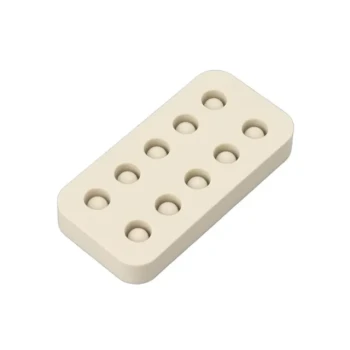
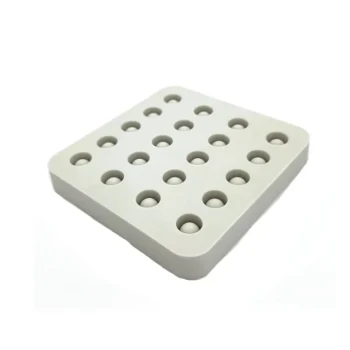
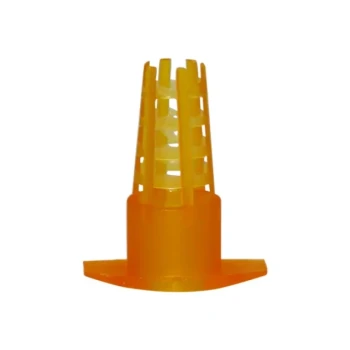
Standardized cell bars and cell cups serve as the engineered physical foundation for artificial queen rearing. They function by simulating the natural architecture of queen cells to trigger the biological instincts of nurse bees, while positioning larvae vertically to maximize royal jelly consumption and growth.
By standardizing the rearing environment, these components convert a variable natural event into a controlled, scalable process. They allow apiaries to align the biological needs of the bees with the logistical requirements of commercial production.
The Biological Function of Cell Cups
Simulating Natural Conditions
The cell cup acts as a biological inducer rather than a simple container. By mimicking the shape and orientation of a natural queen cell, the cup "tricks" the colony into treating a worker larva like royalty.
Triggering Royal Jelly Secretion
Once a larva is grafted into the cup, the physical environment prompts nurse bees to secrete large volumes of royal jelly. This diet change is the single most critical factor in differentiating a queen from a worker bee.
The Importance of Depth
The geometry of the cup is precise, not accidental. Research indicates that a cup depth of approximately 6mm creates the most natural growth environment.
This specific dimension mimics the cells created during swarming. It encourages nurse bees to actively accept the grafted larvae and provide the maximum amount of nutrition.
The Structural Role of Cell Bars
Optimizing Vertical Suspension
In nature, queen cells hang downwards. Standardized cell bars replicate this by ensuring all cell cups remain vertically suspended.
This orientation allows the developing larvae to float on a bed of royal jelly. It prevents the larvae from drowning in their food while ensuring they have constant access to it.
Enabling Batch Processing
For commercial apiaries, efficiency is paramount. Cell bars allow beekeepers to manage larvae in batches rather than individually.
This facilitates the "lossless" handling of fragile larvae. It also allows for systematic yield weighing and the rapid transfer of genetics without disturbing the colony structure.
Understanding the Trade-offs
Mechanical Precision vs. Biological Acceptance
While standardized cups offer consistency, they are artificial constructs. If the dimensions deviate even slightly from the natural 6mm ideal, acceptance rates by nurse bees can plummet.
The Dependency on Grafting Skill
The best hardware cannot compensate for poor transfer techniques. The success of the cell cup relies entirely on the precision of the grafting tool used to move the larvae.
If the larva is damaged during the move or the jelly is disturbed, the colony will reject the cell regardless of the cup's quality.
Making the Right Choice for Your Goal
To maximize the effectiveness of your queen rearing operation, align your equipment use with your specific objectives.
- If your primary focus is Commercial Scalability: Prioritize the use of standardized bars that allow for rapid batch grafting and vertical suspension to streamline workflow.
- If your primary focus is Queen Vitality: strict adherence to the 6mm cup depth is essential to maximize royal jelly deposition and ensure superior biological development.
Standardized components are not just tools; they are the bridge between bee biology and beekeeper efficiency.
Summary Table:
| Component | Primary Function | Key Feature | Biological/Logistical Impact |
|---|---|---|---|
| Cell Cup | Biological Inducer | 6mm Ideal Depth | Triggers royal jelly secretion and larval acceptance. |
| Cell Bar | Structural Support | Vertical Suspension | Ensures larvae float on royal jelly; enables batch processing. |
| Grafting Process | Genetic Transfer | Precision Handling | Determines the final acceptance rate of the artificial cell. |
Elevate Your Apiary with HONESTBEE Precision Equipment
At HONESTBEE, we understand that commercial success in beekeeping hinges on the perfect balance between biological precision and operational scale. As a premier provider for commercial apiaries and distributors, we offer a comprehensive wholesale range of high-quality beekeeping tools, machinery, and consumables designed to optimize your yields.
From standardized cell bars and precision cell cups to advanced honey-filling machines and hive-making hardware, our portfolio is engineered to support your growth. Whether you are scaling up your queen rearing or diversifying your honey-themed cultural merchandise, HONESTBEE is your partner in excellence.
Ready to streamline your production? Contact us today to explore our wholesale solutions and discover how our expertise can drive your business forward.
References
- Ralph Büchler, J. Wilde. Standard methods for rearing and selection of <i>Apis mellifera</i> queens 2.0. DOI: 10.1080/00218839.2023.2295180
This article is also based on technical information from HonestBee Knowledge Base .
Related Products
- Premium Nicot Style Cell Bar Holder and Queen Cell Cup Holder System
- JZBZ Type Wide Base Plastic Queen Cell Cups for Base Mounting and Queen Rearing
- Brown Nicot Queen Cell Cups for Breeding Queen Bees Beekeeping
- JZBZ Push-In Queen Cell Cups for Beekeeping
- Clear Black Plain Polystyrene Queen Bee Grafting Cell Cups No Lug for Bee Queen Cup
People Also Ask
- What roles do specialized queen cell cups play in royal jelly production? Optimize Your Hive's Secretion and Yield
- What role do specialized queen rearing tools play in developing mite-resistant honeybee stock? Master Genetic Selection
- What materials are used to make artificial queen cell cups for grafting? Beeswax vs. Plastic Guide
- Why is a diluted royal jelly solution applied to queen cell cups? Boost Acceptance in Artificial Grafting
- How does the standardized depth of queen cell cups affect larval acceptance? Boost Success with 6mm Precision