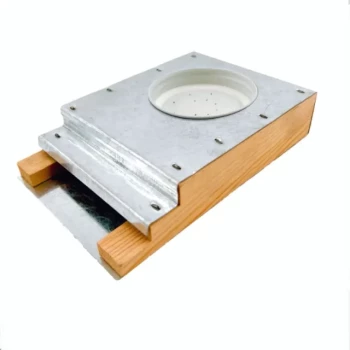
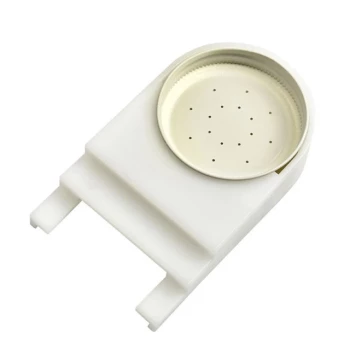
A bee feeder is a targeted intervention tool used to provide supplemental nutrition, typically sugar syrup, to a bee colony during periods of scarcity or high stress. Its fundamental purpose is to act as a temporary bridge for survival when natural resources are insufficient, preventing starvation and supporting essential hive activities like comb building.
Beekeepers should view the feeder not as a permanent fixture, but as a specific support measure to help a colony reach self-sufficiency. It provides a focused "helping hand" only until the bees can sustain themselves through natural foraging.
The Philosophy of Supplemental Feeding
Intervention, Not Maintenance
A bee feeder is not designed for year-round use. Bees are inherently self-sufficient creatures capable of gathering their own resources.
You should only introduce a feeder after monitoring the hive and identifying a genuine food shortage. It functions strictly as a supportive measure during difficult times, rather than a standard daily requirement.
Natural Resources Are Superior
While a feeder delivers essential energy, the sugar water or syrup it provides is a substitute, not an equivalent.
Foraged nectar and pollen are far better suited to a bee's nutritional needs. The ultimate goal of using a feeder is to stabilize the colony so they can return to gathering these superior natural resources on their own.
Critical Scenarios for Use
Establishing New Colonies
One of the most essential times to use a feeder is when a colony is newly arrived.
New packages or swarms have no existing honey stores and require massive amounts of energy to secrete wax. A feeder provides the immediate fuel needed to build comb and establish the hive's infrastructure.
Preventing Winter Starvation
The second critical period for feeding occurs during the cold months or leading up to winter.
If a colony has not stored enough honey to survive the season, a feeder becomes a life-support system. It ensures the bees have enough caloric intake to generate heat and survive until spring blooms appear.
Maximizing Energy Efficiency
Feeders, particularly "rapid feeders," are designed to minimize the physical energy bees expend to get food.
By placing food close to the cluster, you reduce the need for exhausting foraging trips. These devices also guide bees to the liquid safely, significantly preventing accidental drowning.
Understanding the Trade-offs
Speed of Intake vs. Access
Not all feeders deliver nutrition at the same rate. The speed at which a colony can take down syrup is determined by the access area—the number of bees that can drink at once.
Feeders with a large circumference or length (like Miller or Ashforth types) allow for rapid feeding. Smaller feeders may be insufficient if a large colony needs to build reserves quickly.
Dependency Risks
Over-reliance on feeders can be detrimental. Because the goal is self-sufficiency, leaving a feeder on when natural nectar is abundant may discourage bees from performing their natural role as foragers.
Making the Right Choice for Your Goal
To use a bee feeder effectively, you must align its use with the specific phase of your colony's lifecycle.
- If your primary focus is establishing a new colony: Provide feed immediately to supply the high-calorie energy required for drawing out fresh wax comb.
- If your primary focus is winter survival: Assess existing honey stores first, then use a feeder to bridge the gap if natural reserves are insufficient.
- If your primary focus is rapid uptake: Choose a feeder with a large surface area or circumference to allow maximum simultaneous access for the bees.
Success lies in using the feeder as a temporary tool to foster a strong, independent colony that no longer needs your help.
Summary Table:
| Use Case | Primary Goal | Timing | Key Benefit |
|---|---|---|---|
| New Colonies | Establish Infrastructure | Upon arrival/hiving | Provides energy for rapid wax comb secretion |
| Winter Prep | Prevent Starvation | Late autumn/winter | Bridges the gap when honey stores are insufficient |
| Nectar Dearth | Survival Support | Periods of scarcity | Prevents colony collapse during natural food shortages |
| Rapid Feeding | Build Stores Quickly | High-stress periods | Maximizes intake while minimizing drowning risks |
Scale Your Apiary Operations with HONESTBEE
At HONESTBEE, we understand that for commercial apiaries and distributors, reliability is the backbone of success. We specialize in providing a comprehensive wholesale range of professional-grade beekeeping tools, specialized machinery—including hive-making and honey-filling machines—and essential consumables designed to sustain thriving colonies.
Whether you are looking to equip a large-scale operation or expand your distribution portfolio with high-quality hardware and honey-themed cultural merchandise, we offer the expertise and volume-ready inventory you need. Empower your business and support bee health at scale.
Contact HONESTBEE Today to Discuss Your Wholesale Requirements
Related Products
- Rapid Bee Feeder White Plastic 2L Round Top Feeder for 8 or 10-Frame Bee Hives
- HONESTBEE Entrance Bee Feeder Professional Hive Nutrition Solution for Beekeeping
- White Plastic 0.5L Beekeeping Entrance Feeder for Bees
- HONESTBEE Entrance Bee Feeder Efficient Hive Front Liquid Feeding Solution for Beekeeping
- HONESTBEE Professional Entrance Bee Feeder Hive Nutrition Solution
People Also Ask
- What should be done with feeders and equipment after feeding bees? Essential Steps for Apiary Health
- What should be done if feed in a feeder is not consumed by the bees? Prevent Hive Mold with Prompt Feed Management
- What is the necessity of specialized internal or entrance feeders? Secure Your Hive with Professional Feeding Tools
- How do bee feeders work to preserve colony health during nectar shortages? Essential Guide for Beekeepers
- How quickly does a medium to strong colony usually empty a feeder? A Beekeeper's Guide to Hive Health