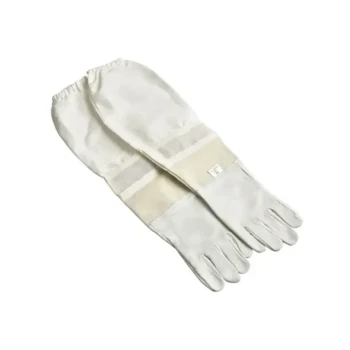
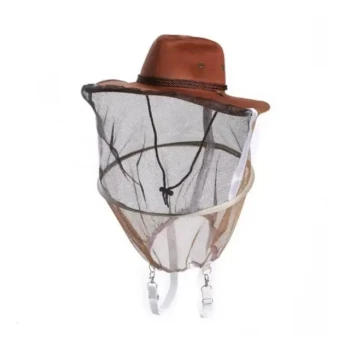
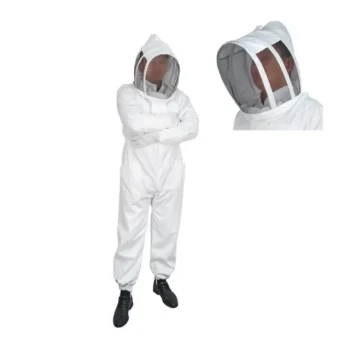
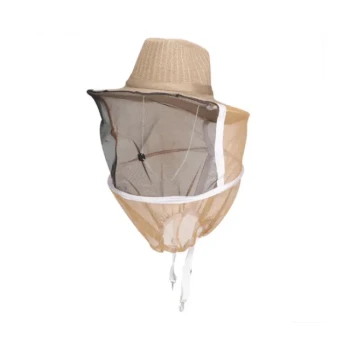
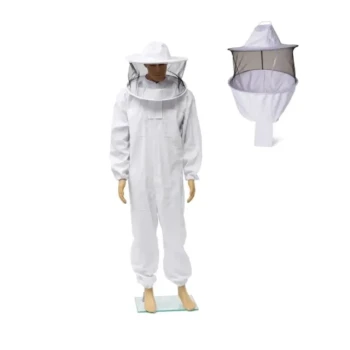
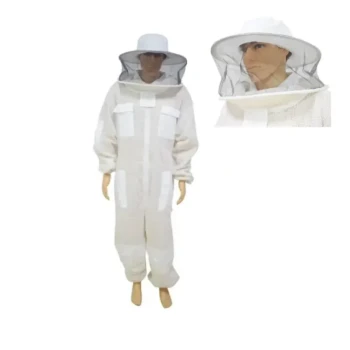
Professional protective clothing and masks constitute the primary defense system for beekeepers, safeguarding against both biological aggression and chemical hazards. While they offer a necessary physical barrier against stings, their role is equally critical in preventing the inhalation of corrosive dusts or aerosols during the application of chemical treatments like formic or oxalic acid.
The value of professional protective gear extends beyond simple injury prevention; it is an essential component of occupational safety that enables precise, compliant, and calm colony management. By mitigating the risks of chemical exposure and stings, this equipment allows the operator to focus entirely on the health and assessment of the hive.
The Critical Role of Chemical Safety
Protection Against Corrosive Agents
Modern apiary management often requires the use of organic acids, such as formic acid or oxalic acid, to treat pests.
These substances are effective against mites but are hazardous to human health. Professional masks serve as essential Personal Protective Equipment (PPE) to filter out corrosive chemical dusts and aerosols.
Preventing Respiratory Damage
Without a proper mask, an operator risks inhaling toxic fumes during treatment application.
This can lead to severe respiratory irritation or long-term damage. High-quality masks ensure that the air the beekeeper breathes remains free of these harmful particulates.
Compliance with Safety Standards
Using appropriate gear is not merely a precaution; it is a requirement for professional compliance.
Adhering to occupational safety standards ensures that hive management processes are sustainable and legal. This establishes a baseline of safety that protects the operator regardless of the specific chemical being used.
Operational Efficiency and Colony Welfare
The Physical Barrier
At its most basic level, protective clothing provides a robust shield against bee stings.
This barrier reduces the physical risk to the beekeeper, preventing allergic reactions and pain. It turns a potentially dangerous environment into a manageable workspace.
Psychological Composure and Precision
The most overlooked benefit of protective gear is the psychological security it provides.
When a beekeeper is confident they will not be stung, they can perform inspections calmly and deliberately. This lack of fear allows for precise movements, which is vital when using tools to pry apart propolized frames.
Enhancing Inspection Accuracy
Calm, protected operators are better at detecting subtle signs of pests and diseases.
Because they are not rushing to avoid stings, they can accurately assess the queen's condition and determine the optimal timing for adding or removing supers. This directly improves the hardware foundation of advanced apiary management.
Understanding the Trade-offs
Heat and Comfort
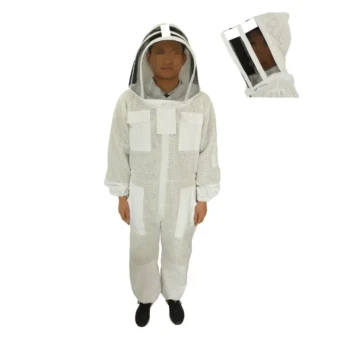
While full protective suits offer maximum safety, they can trap significant body heat.
In hot climates, this creates a risk of heat stress for the operator. Beekeepers must balance the thickness of the material with the need for ventilation to remain safe during long inspections.
Dexterity and Tactile Feedback
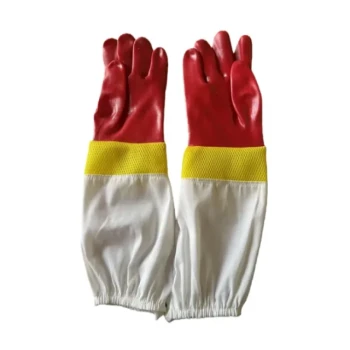
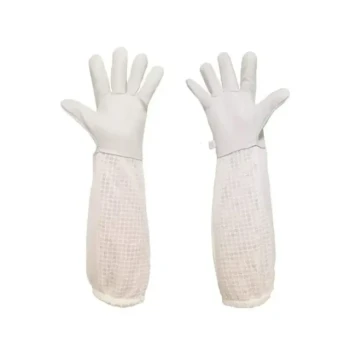
Thick protective gloves, while preventing stings, can reduce manual dexterity.
This loss of tactile feedback can make it difficult to handle delicate components or may result in accidentally crushing bees. Operators often must choose between maximum hand protection and the fine motor skills required for delicate tasks like queen manipulation.
Making the Right Choice for Your Goal
To select the appropriate level of protection, you must identify your primary operational focus.
- If your primary focus is Chemical Treatment: Prioritize a high-quality respirator mask rated for organic vapors and acid gases to prevent irreversible respiratory damage.
- If your primary focus is Clinical Inspection: Prioritize a sting-proof suit with good ventilation to ensure you remain calm and focused enough to detect subtle disease markers.
- If your primary focus is Delicate Manipulation: Consider lighter gloves or uncoupling full-hand protection to increase dexterity, accepting a slightly higher risk of stings for better precision.
True mastery in the apiary begins when personal safety is guaranteed, allowing the beekeeper to focus entirely on the welfare of the colony.
Summary Table:
| Feature | Primary Benefit | Importance in Beekeeping |
|---|---|---|
| Respirator Masks | Chemical Filtration | Protects against corrosive formic/oxalic acid aerosols and dusts. |
| Protective Suits | Physical Barrier | Prevents stings, reducing allergic risks and ensuring operator calm. |
| Ventilated Gear | Heat Regulation | Minimizes heat stress during long inspections in hot climates. |
| High-Dexterity Gloves | Tactile Feedback | Enables precise manipulation of frames and queen handling. |
Elevate Your Apiary Safety Standards with HONESTBEE
At HONESTBEE, we understand that professional beekeeping requires the highest grade of safety and precision. We cater to commercial apiaries and distributors with a comprehensive wholesale offering that covers everything from specialized hardware, such as hive-making and honey-filling machines, to essential industry consumables.
Our portfolio ensures your operations remain compliant and efficient, providing the full spectrum of beekeeping tools, machinery, and honey-themed cultural merchandise. Contact us today to discover how our premium equipment and tailored wholesale solutions can empower your business and protect your workforce.
References
- Mara Beghetto, Paola Fossati. MALATTIE INFETTIVE DELLE API. DOI: 10.54103/0300-3485/20644
This article is also based on technical information from HonestBee Knowledge Base .
Related Products
- Goatskin Leather Beekeeper Gloves with Vent Long Sleeve for Beekeeping Honey Bee Sting Proof Protection
- Premium Cowboy Beekeeper Hat with Visibility Veil Outdoor Professional Beekeeping Protective Gear
- Professional Beekeeping Suit for Kids and Girls Childrens Bee Keeper Suit
- White Cotton Beekeeping Jacket and Veil for Bee Keepers
- Beekeeping Jacket with Hood and Veil for Beekeepers
People Also Ask
- What are the characteristics of goatskin beekeeping gloves? Enhance Dexterity and Protection in Your Apiary
- Why is it important to have gloves available even if not always worn? Essential Risk Management for Beekeepers
- What are the primary purposes of using beekeeping gloves? Protect Your Hands and Ensure Apiary Hygiene
- Why do some experienced beekeepers opt not to wear gloves? Discover the Benefits of Tactile Precision
- Why is it important for beekeepers to wear gloves? Essential Safety and Confidence for Hive Management