Supplemental feeding with sugar syrup is a critical management intervention designed to prevent colony starvation and population collapse when natural nectar sources are scarce or unavailable. By providing this artificial energy source, beekeepers ensure that the colony maintains the necessary strength to survive stationary periods and is prepared to rapidly resume foraging as soon as the next natural honey flow begins.
The strategic value of supplemental feeding extends beyond simple survival; it acts as a bridge between seasons. It maintains the colony's defensive capabilities against pests and ensures the population remains robust enough for future productivity.
Preventing Colony Collapse During Scarcity
Combating Starvation and Shrinkage
When natural forage is depleted, bee colonies face the immediate risk of dwindling food stores. Without intervention, this leads to colony shrinkage, where the population declines rapidly due to a lack of energy.
Providing sugar syrup at specific concentrations acts as a direct energy compensation. This artificial supplementation prevents the colony from starving or absconding (abandoning the hive) in search of resources that may not exist.
Maintaining the Reproductive Cycle
A colony's long-term viability depends on the queen's ability to lay eggs continuously. Nutritional scarcity often signals the queen to stop laying, resulting in a dangerous population gap.
Supplemental feeding ensures the queen continues egg-laying operations. This maintains a steady workforce, ensuring the colony does not emerge from the dearth period with a population too old or too small to be productive.
Enhancing Colony Defense Mechanisms
Strengthening Resistance to Pests
There is a direct correlation between a colony's nutritional status and its ability to defend itself. Greater Wax Moths specifically target weak or starving colonies that lack the manpower to patrol the hive.
A fed, strong colony exhibits enhanced defensive behaviors. These bees actively remove wax moth eggs and seal larval tunnels, significantly reducing susceptibility to infestation.
A Vehicle for Disease Management
Beyond caloric energy, sugar syrup can serve as a delivery medium for essential medications.
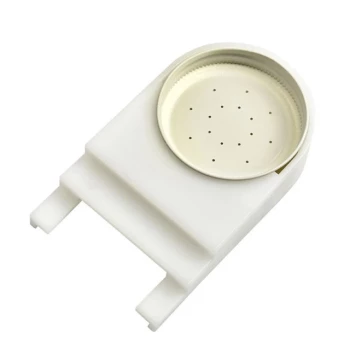
Feeder pots containing syrup are often used to administer treatments for diseases or parasites, such as Varroa mites. This dual-purpose approach enhances colony resilience while simultaneously addressing nutritional deficits.
Preparing for Future Productivity
Bridging the Gap to the Next Flow
The primary goal of feeding during a dearth is to ensure the colony is ready for the next opportunity. A colony that barely survives a famine requires weeks to recover, missing the early part of the next bloom.
By maintaining strength during the stationary period, the colony can rapidly begin foraging the moment the next migratory honey flow or spring breeding season arrives.
Supporting Developing Colonies
New packages or nucleus hives often lack the established honeycomb and population size required to exploit natural resources, even if a flow is present.
Supplemental feeding provides the consistent energy these developing colonies need to build comb and grow their workforce. This ensures they can establish themselves regardless of their immediate foraging capacity.
Understanding the Trade-offs
The Necessity of Precision
Supplemental feeding is not a one-size-fits-all solution; it requires careful management. Beekeepers must use precise ratios of syrup to water tailored to the specific season (e.g., winter survival vs. spring stimulation).
Dependence on Artificial Sources
While essential during dearths, this is an artificial intervention using industrial-grade sugar or high-fructose corn syrup. It is a defensive measure to maintain apiary assets when land-use changes or seasonal shifts deplete natural options, serving as a substitute rather than a superior replacement for natural nectar.
Making the Right Choice for Your Goal
- If your primary focus is Winter Survival: Prioritize high-concentration syrup to prevent starvation and maintain energy through non-foraging months.
- If your primary focus is Pest Control: Maintain high population levels through feeding to ensure the colony has the manpower to physically repel Greater Wax Moths.
- If your primary focus is Colony Growth: Feed new packages continuously to fuel comb building and brood rearing, even if some natural resources are visible.
Proactive nutritional management turns a vulnerability—nectar scarcity—into an opportunity to stabilize and secure your apiary for the season ahead.
Summary Table:
| Benefit Category | Primary Impact | Key Advantage |
|---|---|---|
| Survival | Prevents Starvation | Stops colony shrinkage and absconding during nectar dearths. |
| Reproduction | Brood Maintenance | Ensures the queen continues laying to avoid population gaps. |
| Defense | Pest Resistance | Strengthens the colony to repel pests like Greater Wax Moths. |
| Productivity | Future Readiness | Bridges seasonal gaps so bees are ready for the next honey flow. |
| Growth | Comb Building | Provides the consistent energy required for new colonies to expand. |
Maximize Your Apiary’s Resilience with HONESTBEE
Don't let nectar scarcity compromise your commercial success. HONESTBEE provides the professional-grade tools and machinery needed to sustain large-scale beekeeping operations through every season.
Whether you are a commercial apiary or a global distributor, our comprehensive wholesale portfolio offers everything from advanced honey-filling machines and hive-making equipment to the essential consumables required for effective supplemental feeding and disease management.
Partner with HONESTBEE to scale your productivity. Contact us today to explore our wholesale solutions and technical support!
References
- Tolera Kumsa, Admassu Addi. Migratory Beekeeping as Strategy to Harvest Multiseason Honey in Ethiopia. DOI: 10.1080/0005772x.2020.1812896
This article is also based on technical information from HonestBee Knowledge Base .
Related Products
- HONESTBEE Entrance Bee Feeder Professional Hive Nutrition Solution for Beekeeping
- HONESTBEE Entrance Bee Feeder Efficient Hive Front Liquid Feeding Solution for Beekeeping
- HONESTBEE Professional Entrance Bee Feeder Hive Nutrition Solution
- HONESTBEE Round Hive Top Bee Feeder for Syrup
- HONESTBEE Professional Hive Top Bee Feeder Feeding Solution
People Also Ask
- What types of bee feeders are available for beginners? Start with the Simple Entrance Feeder
- What are the advantages and disadvantages of using an entrance feeder for bees? Balance Convenience and Hive Security.
- What is a bee entrance feeder and what are its drawbacks? Essential Guide to Hive Security and Feeding Efficiency
- How does a bee entrance feeder work? A Simple Guide to Convenient Hive Feeding
- How to make an entrance feeder for bees? A DIY Guide for Safe & Effective Feeding