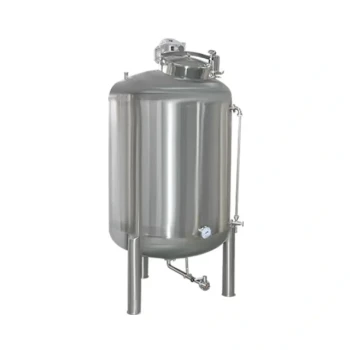
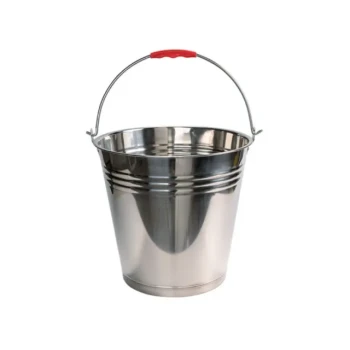
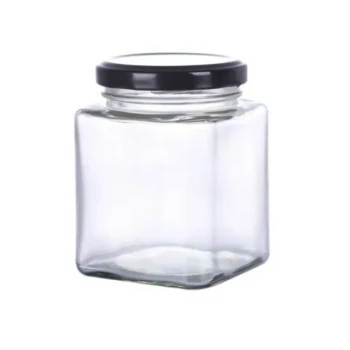
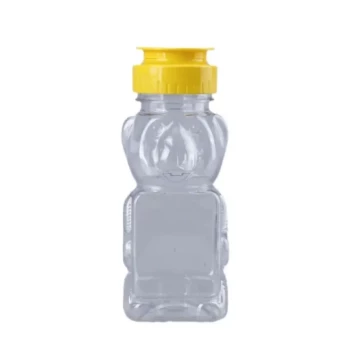
The integrity of honey samples depends entirely on moisture control and atmospheric isolation. Using airtight containers is the primary defense against honey's hygroscopic nature, which causes it to readily absorb humidity from the surrounding environment. This isolation prevents microbial growth and fermentation, ensuring that the physical and chemical properties remain stable for accurate laboratory analysis and long-term shelf-life preservation.
Airtight containment is the non-negotiable standard for honey storage because it locks out moisture and oxygen, the primary catalysts for fermentation and flavor degradation. For distributors and wholesalers, this practice is the foundation of quality assurance, ensuring that every sample reflects the premium grade of the bulk product.
Protecting the Physicochemical Profile
Mitigating the Risk of Fermentation
Honey remains stable when its water content is kept below 17.1%. Because honey is highly hygroscopic, exposure to open air allows it to pull moisture from the atmosphere, increasing the water-to-sugar ratio. This dilution creates an environment where yeast can thrive, leading to fermentation and spoilage that renders the sample useless for trade or testing.
Maintaining Mineral and Nutrient Concentration
Airtight seals prevent the unintended dilution of the honey's original chemical composition. By blocking external moisture, these containers ensure that mineral concentrations and organic acid profiles remain constant. This is vital for comparative analysis and verifying the authenticity of high-value floral sources.
Controlling Crystallization Rates
While crystallization is a natural process, the loss of water through evaporation can accelerate the formation of sugar crystals. Airtight containers maintain the equilibrium of water content, allowing for a predictable physical state. This stability is essential for resellers who must demonstrate consistent product texture to their clients.
Preserving Market Value and Sensory Appeal
Safeguarding Volatile Aromatic Substances
The distinct flavor and aroma of premium honey are derived from volatile organic compounds. Airtight storage prevents these delicate substances from escaping into the air. This ensures that the sample retains its original sensory profile, which is a key selling point for B2B distributors and professional tasters.
Preventing Oxidation and Color Degradation
Exposure to oxygen and environmental light can cause honey to darken and lose its characteristic clarity. Airtight media, particularly when paired with UV-resistant materials, protect the honey from oxidative stress. This maintains the aesthetic standards required for high-end retail and wholesale markets.
Blocking Environmental Contaminants
A secure seal acts as a barrier against external impurities such as dust, insects, and foreign odors. Since honey absorbs environmental scents easily, airtight packaging is the only way to ensure the sample remains "clean" for laboratory purity tests. This level of protection reflects the deep professional industry expertise required to manage global honey supply chains.
Material Selection and Chemical Stability
The Importance of Inert Packaging
Honey is naturally acidic, typically maintaining a pH between 3 and 4. Airtight glass containers are often preferred because glass is chemically inert and will not react with these organic acids. This prevents the leaching of packaging materials into the honey, which could otherwise alter the sample’s chemical results.
High-Performance Plastics and Clay
While glass is the gold standard for purity, high-quality airtight plastic containers or specialized clay pots offer lighter-weight alternatives for rapid delivery and fulfillment. These materials must be food-grade and specifically designed to provide a total gas and moisture barrier. Choosing the right material is a critical component of efficient order fulfillment and logistics.
Understanding the Trade-offs
Weight vs. Durability
Glass offers the best chemical protection but increases shipping costs and the risk of breakage during ultra-fast delivery cycles. Distributors must balance the need for chemical inertness with the logistical efficiency required for high-volume B2B operations.
Seal Integrity Issues
Not all "closed" containers are truly airtight; simple screw-caps without induction liners or gaskets may still allow micro-exchanges of air. Failure to ensure a hermetic seal can lead to "creeping" fermentation that may not be visible until the sample reaches the lab.
Temperature Sensitivity
Even in an airtight container, honey can degrade if exposed to high heat, which increases HMF (Hydroxymethylfurfural) levels. Airtight storage is a critical component of preservation, but it must be combined with a temperature-controlled supply chain to ensure a premium product.
Applying This to Your Supply Chain
Choosing the right sampling and storage protocol is essential for maintaining the value of your inventory and ensuring smooth transactions with laboratory partners.
- If your primary focus is long-term sample archival: Utilize airtight glass jars with metal caps to ensure maximum chemical stability and zero reactive interference.
- If your primary focus is rapid B2B fulfillment and shipping: Opt for high-density, BPA-free airtight plastic to reduce weight while maintaining a complete moisture barrier.
- If your primary focus is maintaining brand reputation and flavor: Ensure all samples are sealed immediately after extraction to lock in volatile aromatics and prevent atmospheric contamination.
Effective moisture management through airtight containment is the hallmark of a professional, quality-driven honey distribution strategy.
Summary Table:
| Key Storage Factor | Impact of Poor Storage | Benefit of Airtight Containers |
|---|---|---|
| Moisture Control | Increases risk of fermentation | Maintains water content below 17.1% |
| Aroma Preservation | Loss of volatile compounds | Locks in original sensory and flavor profile |
| Oxidation Defense | Darkening and color degradation | Protects aesthetic clarity and market value |
| Purity Protection | Absorption of environmental odors | Blocks dust, insects, and contaminants |
| Chemical Stability | Leaching (if non-inert material) | Ensures accurate laboratory analysis results |
Maximize Your Honey Quality with HONESTBEE Expertise
At HONESTBEE, we understand that for commercial apiaries and distributors, the integrity of your honey is your reputation. We provide a one-stop sourcing solution for the full spectrum of beekeeping tools, machinery, and essential consumables.
Whether you need specialized honey-filling machines or high-performance storage equipment, our portfolio is designed to ensure your product meets the highest market standards. Partner with us to benefit from:
- Deep Industry Expertise: Professional guidance on moisture management and preservation.
- Rapid Fulfillment: Ultra-fast delivery and efficient order processing to keep your supply chain moving.
- Comprehensive Wholesale Support: Tailored solutions for distributors and B2B resellers to boost profit margins.
Don't let poor storage compromise your bulk inventory. Contact our expert team today to secure premium equipment for your operations!
References
- N. C. Ikegbunam, Emmanuel Emeka Osayi. Evaluation of the Floral Diversity and Physicochemical Composition of Honey Procured from some Markets in Anambra State, Nigeria. DOI: 10.4314/jasem.v29i3.35
This article is also based on technical information from HonestBee Knowledge Base .
Related Products
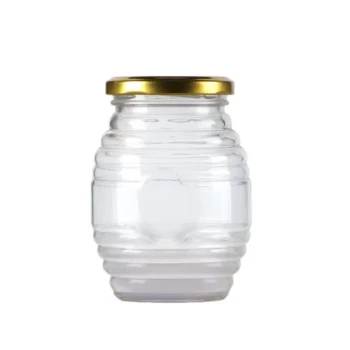
- Classic Drum Shaped Glass Honey Jar with Airtight Lid
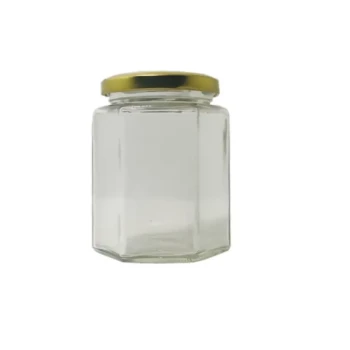
- Hexagonal Glass Honey Jars with Metal Lug Caps Elegant Versatile Packaging
- Stainless Steel Honey Storage Tank with Lid for Honey
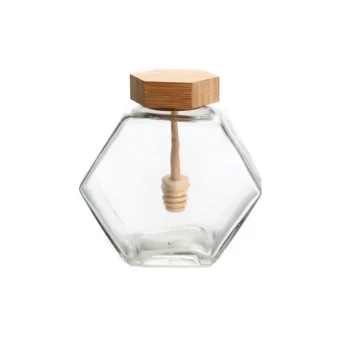
- Hexagonal Glass Honey Jar with Wooden Lid Integrated Dipper Elegant Functional Storage
- Classic Glass Honey Jar with Metal Lug Cap for Beehive Storage
People Also Ask
- What is the best utensil to store honey? Preserve Purity with the Right Container
- How does the appearance of glass jar packaging affect the sales and perception of honey? Boost Your Premium Brand Value
- Why is a glass jar preferred for packaging honey? Ultimate Protection for Purity & Flavor
- What is the aesthetic appeal of using glass jars for honey? Elevate Your Brand with Premium Packaging
- What are the advantages of glass containers for honey? Elevate Quality and Market Value with Premium Packaging