The primary mechanism of action for a beekeeping smoker is the generation of cool smoke to disrupt colony communication and trigger a pacifying physiological response. By masking the alarm pheromones that coordinate defensive attacks, the smoker prevents the colony from detecting threats. simultaneously, it induces a survival instinct that causes bees to gorge on honey, physically and behaviorally lowering their aggression levels.
Core Takeaway A smoker functions by interrupting the hive's chemical "alarm system" while distracting the workforce with an instinctive drive to preserve resources. This dual action creates a window of docility, protecting both the beekeeper from stings and the colony from the accidental mortality associated with defensive swarming.
How the Smoker Alters Colony Behavior
Interrupting Chemical Communication
Honeybees rely heavily on olfactory signals to coordinate defense. When a bee detects a threat or stings an intruder, it releases alarm pheromones.
The cool smoke produced by the device physically masks these chemical signals. This prevents the rest of the colony from receiving the "message" to attack, isolating defensive behavior to individual bees rather than the entire hive.
Triggering the Survival Instinct
Inhalation of smoke triggers a deep-seated instinctive survival response within the colony.
Perceiving the smoke as a sign of potential danger (like a forest fire), the bees shift their focus from guarding the hive to preserving their resources. Instead of attacking, they prioritize the welfare of the colony's energy stores.
The Sedative Effect of Feeding
As part of this survival response, the bees retreat to the honeycombs and begin consuming honey.
This induced feeding frenzy makes the bees significantly more docile. The act of gorging on honey physically limits their agility and reduces their inclination to sting, allowing the beekeeper to handle frames and take samples with minimal resistance.
Critical Considerations for Effective Use
The Necessity of "Cool" Smoke
The temperature of the smoke is a critical variable. The device is specifically designed to produce cool smoke.
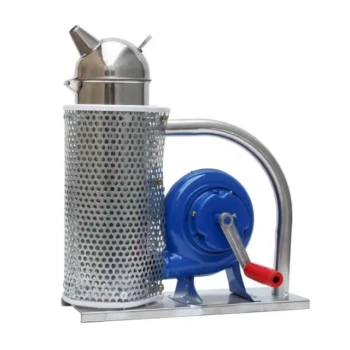
Hot smoke can singe the bees' wings or burn them, leading to panic, injury, or increased aggression rather than calm. A properly functioning smoker uses a bellows and combustion chamber to regulate airflow and keep the output temperature safe for the insects.
Managing the Operational Window
The calming effect of the smoker is temporary and relies on the continued presence of the masking agent.
Once the air clears and the feeding response subsides, the colony's natural defensive behaviors will return. Beekeepers must work efficiently within this window to ensure safety for themselves and to minimize stress on the colony.
Making the Right Choice for Your Goal
To maximize the effectiveness of your inspections, apply the mechanism of action to your specific objective:
- If your primary focus is Beekeeper Safety: Ensure the smoke is dense and cool before opening the hive to effectively mask the initial release of alarm pheromones.
- If your primary focus is Colony Health: Use the period of docility to perform thorough pest and disease checks without fear of crushing agitated bees or losing the queen in a defensive ball.
- If your primary focus is Workflow Efficiency: Reapply small puffs of smoke periodically to maintain the feeding response, ensuring the colony remains calm throughout longer procedures.
Mastering the smoker is not just about avoiding stings; it is about creating a low-stress environment that allows for precise, responsible hive management.
Summary Table:
| Mechanism Component | Action Taken | Resulting Bee Behavior |
|---|---|---|
| Pheromone Masking | Blocks olfactory alarm signals | Prevents coordinated defensive attacks |
| Survival Trigger | Simulates wildfire threat | Shift from guarding to resource preservation |
| Induced Feeding | Encourages gorging on honey | Bees become heavy, docile, and less agile |
| Temperature Control | Produces dense 'cool' smoke | Calms the colony without physical injury |
Elevate Your Apiary Operations with HONESTBEE
At HONESTBEE, we understand that professional beekeeping requires more than just tools—it requires precision and reliability. As a leading partner for commercial apiaries and distributors, we provide a comprehensive wholesale range designed to optimize your workflow.
Our portfolio includes everything from high-performance beekeeping smokers and specialized hardware to advanced hive-making and honey-filling machinery. Whether you are scaling your production or stocking essential industry consumables, HONESTBEE delivers the quality you need to ensure colony health and operational efficiency.
Ready to upgrade your equipment? Contact us today to explore our wholesale offerings and discover how we can support your business growth.
References
- Zaky Nassar. An Economic Study of the Productive Capacities of Bee Honey in Matrouh Governorate. DOI: 10.21608/assjm.2022.310416
This article is also based on technical information from HonestBee Knowledge Base .
Related Products
- Stainless Steel Honey Bee Smoker Hive and Honeycomb Smoker for Beekeeping
- Miniature Stainless Steel Bee Smoker for Beekeeping
- Professional Bee Smoker with Elongated Spout and Durable Bellows for Beekeeping
- Electric Bee Smoker European Style Bee Hive Smoker for Beekeeping
- Galvanized Beekeeping Smoker for Honey Bee and Apiculture
People Also Ask
- What are bee smokers made out of? Choose the Right Material for Your Apiary
- What type of bee smoker is recommended for a beginner? Top Picks for Easy Hive Management
- Why is a stainless steel bee smoker considered indispensable? Master Hive Management with Cool Smoke Technology
- When should you add more fuel to the bee smoker? Watch for This Critical Smoke Signal
- What is the best material for a bee smoker? Choose the Right Fuel for a Calm Hive