Standardizing the harvest threshold is critical for product stability. To ensure honey is chemically stable and shelf-ready, frames must be at least 75% to 80% capped with wax before they are removed from the hive.
Achieving a minimum of 75% capping ensures that bees have sufficiently dehydrated nectar into honey with a moisture content of approximately 18% or less. This biological seal is the definitive indicator that the product is resistant to fermentation and meets the rigorous quality standards required for global distribution.
The Technical Importance of Capping
Moisture Content and Fermentation
Honeybees naturally fan nectar to reduce its water content; once it drops below the 18% threshold, they seal the cell with wax. Harvesting frames with less than 75% capping increases the risk of high moisture levels, which can lead to premature fermentation and spoilage in the supply chain.
Ensuring Long-Term Shelf Stability
For wholesalers and distributors, shelf-life is a non-negotiable metric for profitability. Proper capping is the first line of defense, ensuring the honey remains biologically stable during long-distance transit and extended storage periods.
Operational Excellence in Honey Sourcing
Expert Quality Verification
While visual capping is a primary indicator, professional operations often use a refractometer to objectively verify water content. This deep industry expertise ensures that every batch in our full-spectrum portfolio meets exact moisture specifications before it enters the fulfillment cycle.
Efficient Order Fulfillment
By sourcing honey that meets these strict harvesting requirements, we minimize the risk of returns or quality disputes. Our rapid response times and commitment to technical precision allow us to provide a seamless transition from the apiary to your warehouse.
Understanding the Trade-offs
Balancing Yield vs. Quality
Harvesting too early (below 75% capping) might increase short-term volume but compromises the integrity of the entire shipment. This can result in batch inconsistency, which damages brand reputation and creates logistical hurdles for resellers.
The Risk of Premature Extraction
Uncapped honey is essentially "green" honey—it lacks the enzymatic complexity and low moisture of a finished product. For B2B partners, accepting uncapped honey means higher costs in processing and a significant reduction in product grade and value.
Making the Right Choice for Your Goal
As a dedicated sourcing partner, we provide the expertise needed to navigate these technical requirements while maintaining ultra-fast delivery and reliable supply chains.
- If your primary focus is Maximum Shelf Life: Prioritize honey harvested from frames that are at least 80% capped to ensure the lowest possible moisture content and highest fermentation resistance.
- If your primary focus is Rapid Inventory Turnover: Ensure your supplier uses refractometers to verify stability, allowing for a faster harvest cycle without sacrificing the 75% capping baseline.
- If your primary focus is Premium Brand Positioning: Source exclusively from high-capping harvests to guarantee a superior flavor profile and enzymatic density that discerning customers demand.
Partnering with a supplier who masters these technical benchmarks ensures your distribution network remains efficient, stable, and highly profitable.
Summary Table:
| Harvesting Metric | Recommended Standard | Technical Significance |
|---|---|---|
| Capping Percentage | 75% - 80% of frame area | Indicates biological maturity and readiness. |
| Moisture Content | Below 18% | Prevents premature fermentation and spoilage. |
| Verification Tool | Refractometer | Provides objective data for quality assurance. |
| Business Impact | High Shelf Stability | Maximizes profitability and reduces logistics risk. |
Scale Your Honey Business with HONESTBEE® Expertise
Maintaining the 75% capping standard is just the beginning of a successful honey operation. HONESTBEE provides commercial apiaries and B2B distributors with the technical tools and premium equipment necessary to ensure every batch meets global quality benchmarks. From high-precision refractometers and hive-making machinery to industrial honey-filling lines and essential consumables, we offer a one-stop sourcing solution designed for efficiency.
Why Choose HONESTBEE for Your Distribution Network?
- Comprehensive Portfolio: Access a full spectrum of beekeeping hardware and honey-themed cultural merchandise.
- Optimized Profit Margins: High-quality equipment ensures low waste and superior product grading.
- Reliable Supply Chain: Benefit from deep industry expertise, rapid response times, and ultra-fast order fulfillment.
Ensure your inventory remains stable, professional, and highly profitable. Contact Our Wholesale Experts Today to discuss your custom sourcing needs!
Related Products
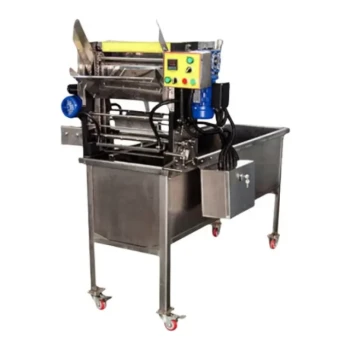
- Automatic Honey Frame Uncapper Machine for Beekeeping
- Heart-Shaped Comb Honey Frame and Honeycomb Cassette
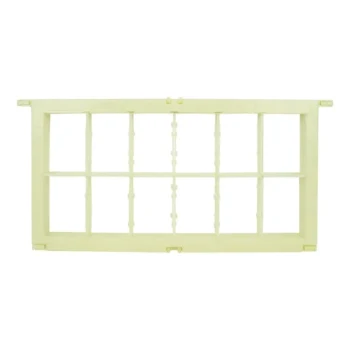
- Professional Sectional Comb Honey Frame with 250g Cassette System for Beekeeping
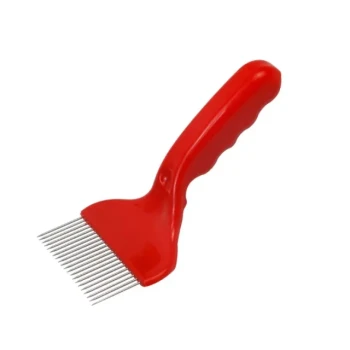
- Professional Wide Head Honey Uncapping Fork for Beekeeping
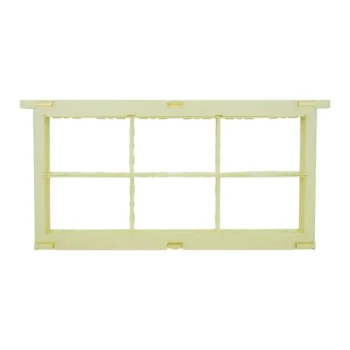
- Professional 500g Sectional Comb Honey Frame System for Beekeeping
People Also Ask
- What is the primary goal when choosing an uncapping method? Maximize Honey Yield & Comb Integrity
- What is the process of uncapping frames in beekeeping? Master the Best Methods for Maximum Honey Yield
- How are honey frames prepared before extraction? Master the Hive-to-Honey-House Process
- What is the process of uncapping honey frames before extraction? Expert Guide to Efficient Honey Harvesting
- What specialized tools are used to uncap honey frames prior to extraction? Top Uncapping Tools for Efficient Harvesting