Maintaining apiary hygiene is the cornerstone of commercial beekeeping success.
Regular hive disinfection and bottom board cleaning are critical hygiene processes within Integrated Pest Management (IPM). These practices physically remove pathogens, debris, and waste, effectively interrupting the transmission pathways of Varroa mites, secondary viruses like Deformed Wing Virus (DWV), and resilient pathogens like American Foulbrood (AFB). By maintaining a clean physical environment, beekeepers ensure colony survival through overwintering and secure consistent, high-yield honey production.
Core Takeaway: Professional hygiene management is a non-negotiable biosecurity measure that transforms beehive maintenance into a strategic defense against colony collapse. For distributors and wholesalers, providing a full-spectrum portfolio of cleaning and disinfection tools is essential to supporting the long-term productivity and structural integrity of their clients' apiaries.
Disrupting Pathogen Transmission and Pest Life Cycles
Eliminating the Reservoir of Infection
Hive disinfection uses physical and chemical means to strip pathogens and dead bees from hive walls and floors. This process is the primary defense against secondary physiological stress caused by disease, ensuring a healthy environment for colony growth.
Breaking the Wax Moth Life Cycle
Accumulated debris on bottom boards serves as the ideal breeding ground for pests like wax moths. Regular cleaning disrupts their egg-laying environment and removes the organic waste that sustains their larvae, preventing large-scale outbreaks.
Preventing Human-Assisted Cross-Contamination
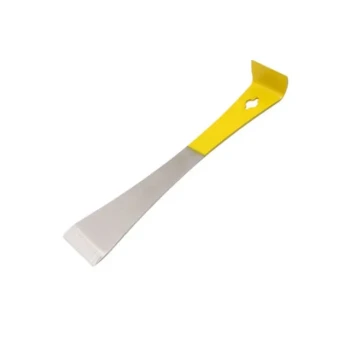
Beekeeping gloves and hive tools are frequent vectors for American Foulbrood (AFB) spores. Consistent disinfection of these high-contact instruments with alcohol or bleach is a fundamental biosecurity step to break the transmission chain between healthy and infected colonies.
Enhancing Colony Resilience and Productivity
Mitigating Environmental Stress
A dry and clean hive environment reduces the impact of drastic weather changes and temperature fluctuations. By removing damp waste, beekeepers prevent the growth of fungi and parasites that thrive in unmanaged bottom boards.
Protecting Long-Term Equipment Assets
Regular maintenance, including the replacement of aged frames and damaged wooden structures, extends the lifespan of beekeeping equipment. This structural upkeep minimizes colony absconding and robbing behaviors, which are often triggered by equipment degradation.
Early Detection of Invasive Threats
Frequent cleaning allows beekeepers to identify early signs of invasive species, such as ants or other predators. This low-cost, high-efficiency practice improves environmental adaptability and significantly reduces colony mortality rates in large-scale operations.
Understanding the Trade-offs
Chemical vs. Physical Cleaning
While chemical disinfectants are highly effective against resilient spores, they require precise application to avoid contaminating honey stores or harming the bees. Physical cleaning is safer and lower-cost but demands higher labor intensity and may not fully eradicate microscopic pathogens like AFB.
Labor Costs vs. Colony Replacement
Implementing a rigorous hygiene schedule increases operational labor costs for commercial beekeepers. However, these costs are consistently lower than the financial loss associated with colony collapse, equipment destruction due to disease, or the loss of high-yield production cycles.
Optimizing Your Product Portfolio for Apiary Health
As a leading partner in the beekeeping supply chain, our professional industry expertise allows us to provide the specialized tools necessary for these critical maintenance tasks. We offer a comprehensive product range backed by ultra-fast delivery to ensure your clients never face a hygiene crisis without the proper equipment.
- If your primary focus is high-volume commercial operations: Stock a full-spectrum of specialized hive tools, uncapping knives, and high-durability bottom boards designed for rapid cleaning.
- If your primary focus is biosecurity and disease prevention: Prioritize the distribution of flame sterilization tools and chemical disinfectants proven to neutralize American Foulbrood spores.
- If your primary focus is equipment longevity and value: Promote replacement frame kits and structural repair components to help beekeepers maintain hive integrity and prevent colony absconding.
Effective apiary management starts with professional-grade hygiene, ensuring every colony has the clean foundation required for peak performance.
Summary Table:
| Maintenance Practice | Primary Benefit | Target Pathogens & Pests |
|---|---|---|
| Hive Disinfection | Interrupts disease transmission & reduces colony stress | AFB, DWV, and resilient spores |
| Bottom Board Cleaning | Eliminates breeding grounds & enables early detection | Wax moths, ants, and parasites |
| Tool Sterilization | Prevents human-assisted cross-contamination | Bacteria and microscopic spores |
| Equipment Repair | Extends asset lifespan & prevents colony absconding | Environmental fungi & damp waste |
Scale Your Beekeeping Supply Business with HONESTBEE
Maximize your profit margins and ensure supply reliability by partnering with HONESTBEE. As a premier one-stop sourcing partner for commercial apiaries and B2B distributors, we provide a comprehensive full-spectrum product portfolio—from hive-making and honey-filling machinery to high-demand consumables and cultural merchandise.
Why choose HONESTBEE?
- Deep Industry Expertise: Specialized tools designed for professional disease management and hive hygiene.
- Efficient Fulfillment: Ultra-fast delivery and rapid response times to keep your inventory moving.
- Wholesale Support: Tailored OEM/ODM solutions and certified quality to meet global distributor standards.
Ready to enhance your product range with professional-grade beekeeping equipment? Contact us today to receive our latest wholesale catalog!
References
- E. R. Mendybayeva, A.R. Khairushev. VARROOSIS OF HONEY BEES: CLINICAL MANIFESTATIONS, DIAGNOSIS, AND MODERN APPROACHES TO TREATMENT. DOI: 10.52578/2305-9397-2025-4-1-176-184
This article is also based on technical information from HonestBee Knowledge Base .
Related Products
- Langstroth Solid Bottom Board for Beekeeping
- Solid Bottom Board Australian Pine Wood Langstroth Bottom Board for Wholesale
- Australian Pine Wood Langstroth Screen Bottom Board for Wholesale
- Langstroth Screen Bottom Board for Beekeeping Wholesale
- Efficient Hive Clearing: HONESTBEE 8-Way Plastic Bee Escape
People Also Ask
- What are the functions of solid bottom boards for a beehive? Essential Thermal Protection and Winter Survival Tips
- What is the purpose of a solid bottom board for bee hives? Enhance Hive Health and Winter Survival
- How does climate influence the choice between a solid and screened bottom board? Optimize Your Hive for Local Weather
- What is the primary function of a bottom board in a modern modified beehive system? Essential Foundation Guide
- What are the characteristics of a solid bottom board for a beehive? Boost Colony Health and Thermal Insulation