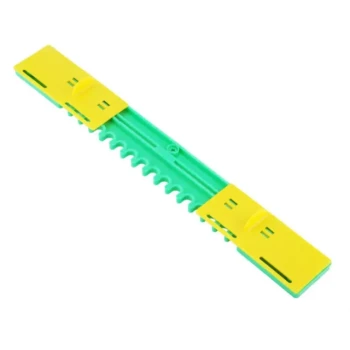
A hive entrance reducer’s primary function is to make the hive entrance smaller and easier for the colony to control. During colony installation, it helps newly introduced bees settle into the hive and reduces the likelihood of large-scale absconding while they acclimate. Once installed, it strengthens hive defense by limiting access for robbing bees, wasps, small mammals, and other pests.
An entrance reducer gives a new or vulnerable colony a smaller, more manageable opening to guard. It supports early colony establishment while also helping regulate drafts and internal conditions.
How an Entrance Reducer Supports Colony Installation
It Helps Bees Acclimate to the Hive
A newly installed colony may not yet recognize the hive as its permanent home. Restricting the entrance helps keep the bees concentrated inside while they become familiar with the hive structure, odor, queen, and available stores.
The reducer does not guarantee that a colony will remain. It simply creates a more controlled entry point during the vulnerable adjustment period.
It Limits Unnecessary Bee Movement
A smaller entrance reduces uncontrolled movement in and out of the hive while the colony is establishing its organization. Worker bees can still exit and return, but the colony has a more manageable access point.
This is particularly useful for newly installed packages, nucleus colonies, or other colonies with limited initial strength.
How It Improves Hive Defense
It Creates a Smaller Defensive Perimeter
Guard bees can defend a narrow opening more efficiently than a wide entrance. This concentrates the colony’s defensive effort at one restricted access point.
That advantage is especially important for weak, newly established, or temporarily stressed colonies.
It Reduces Robbing Risk
During nectar dearths, stronger colonies may attempt to enter weaker hives and steal honey. A reduced entrance makes it more difficult for robbing bees to gain access and gives resident guard bees a better chance to repel them.
The same principle helps protect against wasps, yellowjackets, and other opportunistic pests.
It Helps Exclude Some Intruders
A properly fitted reducer can make entry more difficult for small mammals and other pests seeking food or shelter. It also helps protect the colony’s queen, brood, and stored resources by limiting the opening that must be defended.
Additional Management Benefits
It Reduces Drafts
A smaller entrance can limit cold airflow through the hive, particularly during colder weather. This helps the colony maintain a stable internal environment and may reduce unnecessary heat loss.
The reducer is therefore both a defense accessory and a basic hive-environment management tool.
It Can Be Adjusted Seasonally
Most entrance reducers are removable or have more than one opening size. Beekeepers can use the narrower opening for weak colonies or cold conditions and enlarge or remove the reducer as colony strength and seasonal conditions change.
The correct setting depends on colony size, weather, pest pressure, and local management practices.
Understanding the Trade-offs
A Reducer Is Not a Permanent Solution
Entrance reducers should not be left unchanged without assessing colony strength and weather. A strong colony may require greater access and ventilation, especially during warm periods or heavy foraging.
Over-restricting the entrance can contribute to congestion and interfere with normal traffic.
Ventilation Still Matters
An entrance reducer limits drafts, but it does not replace appropriate hive ventilation. Moisture management, hive positioning, and seasonal preparation remain important parts of colony care.
The reducer should be treated as one adjustable component of hive management, not as a complete climate-control system.
Installation Quality Affects Performance
The reducer must fit securely and leave enough space for worker bees to pass. Poorly fitting hardware can create gaps for pests, obstruct traffic, or make adjustment difficult.
For distributors and resellers, offering compatible wooden, plastic, or metal models for common hive formats improves product selection and reduces installation problems for customers.
Making the Right Choice for Your Goal
Select an entrance reducer based on colony strength, season, hive configuration, and the level of pest or robbing pressure.
- If your primary focus is colony installation: Use a properly fitted reducer to give the new colony a controlled entrance while it acclimates and establishes itself.
- If your primary focus is hive defense: Narrow the entrance so guard bees can more effectively repel robbing bees, wasps, and other intruders.
- If your primary focus is cold-weather management: Use the reducer to limit drafts while maintaining adequate airflow and monitoring internal moisture.
- If your primary focus is product sourcing: Choose adjustable, removable reducers compatible with the hive formats your customers commonly use.
A hive entrance reducer is a simple but valuable tool that improves early colony establishment and makes hive defense more manageable.
Summary Table:
| Function | Description |
|---|---|
| Colony Installation | Helps new bees acclimate to the hive and reduces absconding during settling. |
| Hive Defense | Restricts access for robbers, wasps, and small pests; concentrates guard bees. |
| Draft Reduction | Minimizes cold airflow, aiding thermoregulation in cooler weather. |
| Seasonal Adjustment | Allows beekeepers to adjust entrance size based on colony strength and season. |
Ready to equip your customers with reliable beekeeping solutions? At HONESTBEE, we supply a full spectrum of hive components, including entrance reducers, along with tools and machinery tailored for commercial apiaries and distributors. Our one-stop sourcing ensures fast delivery, OEM/ODM support, and competitive margins. Contact us today to discuss your bulk requirements and experience our dedicated service—get in touch now!
Related Products
- Steel Round Disc Entrance Reducer for Flexzion Bee Hive Nuc Box Gate
- Beehive Entrance Reducer Guardian Metal Hive Entrance for Bees
- HONESTBEE Entrance Bee Feeder Efficient Hive Front Liquid Feeding Solution for Beekeeping
- HONESTBEE Entrance Bee Feeder Professional Hive Nutrition Solution for Beekeeping
- Professional Hive Front Entrance Bee Feeder
People Also Ask
- What is the purpose of an entrance reducer for a beehive? Strengthen Colony Defense and Prevent Robbery
- Why are entrance reducers used to counter hornet infestations? Protect Your Hive with Strategic Choke Points
- Why is it critical to maintain a smaller entrance for a newly established bee hive? Boost Colony Growth and Security
- What is the function of an entrance reducer on a beehive? Strengthen Colony Defense and Climate Control
- Under what conditions should a beekeeper adjust the size of a beehive entrance? Seasonal & Defense Management Tips