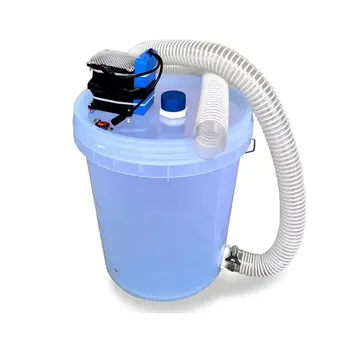
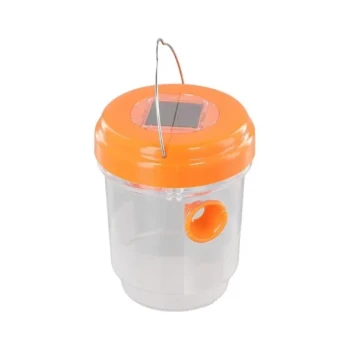
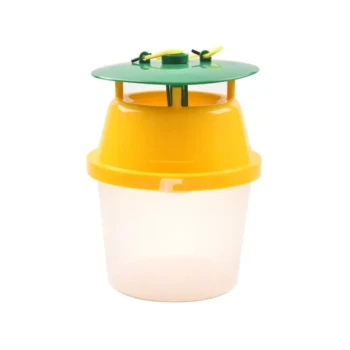
The primary function of an insect aspirator is to provide a gentle, high-efficiency method for the rapid collection of adult Small Hive Beetles (SHB) from honeybee colonies. By utilizing negative pressure, these devices capture beetles without causing mechanical injury, ensuring the physiological consistency and viability required for professional laboratory rearing and pesticide efficacy trials.
Core Takeaway: For professional pest management and research, an insect aspirator is the industry standard for non-destructive specimen collection. It bridges the gap between field sampling and laboratory precision by maintaining sample integrity and statistical accuracy.
Precision Engineering for Specimen Integrity
The Principle of Negative Pressure
An insect aspirator operates on a negative pressure principle, drawing the Small Hive Beetles directly into a secure collection container. This mechanism allows technicians to precisely target fast-moving adults on bottom boards or internal hive components.
Preventing Mechanical Injury
Unlike manual handling or hive-shaking, aspiration eliminates the risk of crushing or damaging the specimens. This is critical for downstream applications, such as taxonomic identification or pathological analysis, where the physical condition of the beetle must remain pristine.
Ensuring Physiological Consistency
By minimizing physical stress during capture, the aspirator ensures that beetles remain physiologically consistent. This stability is vital for researchers who require uniform test subjects for accurate chemical resistance testing or genetic documentation.
Maximizing Operational Efficiency in the Field
Speed and Precision in Collection
Adult Small Hive Beetles are remarkably fast and instinctively seek shelter in the deep crevices of the honeycomb when disturbed. The aspirator allows for rapid removal, capturing the beetles before they can escape, which significantly improves the speed of hive inspections.
Reducing Statistical Sampling Bias
Manual collection often leads to counting errors because beetles flee the area during physical interference. Aspiration ensures statistical accuracy by capturing a more representative sample of the total pest population within the colony.
Minimizing Colony Disturbance
Professional aspirators allow for the extraction of pests without the need to shake frames or disrupt the normal activity of the honeybees. This non-destructive method preserves the colony structure and reduces the defensive response of the bees, leading to a safer working environment.
Understanding the Trade-offs
Equipment Maintenance Requirements
While highly effective, aspirators require regular maintenance to ensure the internal filters remain clear of debris. Clogged filters can reduce suction power, leading to decreased collection efficiency during large-scale field operations.
Power Source Limitations
Portable electronic aspirators are dependent on battery life, which can be a limiting factor in remote apiary locations. Manual hand-aspirators avoid power issues but require more physical effort and may offer less consistent suction for high-volume sampling.
Specialized Scope of Use
Aspirators are precision instruments designed for small insects; they are not intended for bulk debris removal or general hive cleaning. Using the tool outside its intended technical specifications can lead to equipment failure or specimen contamination.
How to Apply This to Your Portfolio
Strategic Sourcing for Professionals
Distributors should focus on sourcing aspirators that meet the rigorous demands of research institutions and commercial beekeepers who prioritize specimen health and data accuracy.
- If your primary focus is Lab and Research Clients: Prioritize stocking high-precision models that emphasize specimen viability and include integrated filtration systems.
- If your primary focus is Commercial Beekeeping Supplies: Emphasize rapid response and durability, selecting products that offer ultra-fast delivery and long-term reliability in rugged field conditions.
- If your primary focus is Comprehensive Pest Management: Position the aspirator as part of a full-spectrum product portfolio, offering it alongside diagnostic tools to provide a one-stop solution for hive health.
By integrating high-performance aspiration tools into your inventory, you provide your clients with the professional expertise and technical reliability necessary for modern apiary management.
Summary Table:
| Feature | Primary Benefit | Ideal Application |
|---|---|---|
| Negative Pressure Suction | Captures beetles without crushing | Research & Lab Specimen Collection |
| Rapid Collection Speed | Prevents beetles from escaping | Large-scale Hive Inspections |
| Non-Destructive Design | Minimizes colony disturbance | Professional Apiary Management |
| Specimen Integrity | Ensures physiological consistency | Pesticide & Resistance Testing |
Partner with HONESTBEE for Professional-Grade Beekeeping Solutions
As a global leader in B2B beekeeping supplies, HONESTBEE empowers distributors and wholesalers with a comprehensive full-spectrum product portfolio. From precision insect aspirators to honey-filling machines and hive-making hardware, we provide the tools your customers need to maintain healthy, productive colonies.
Why Choose HONESTBEE?
- One-Stop Sourcing: Access everything from specialized machinery to essential consumables in one place.
- OEM/ODM Support: Custom manufacturing solutions tailored to your brand’s specific market requirements.
- Rapid Fulfillment: Benefit from our ultra-fast delivery and efficient order processing to maintain your supply chain.
- Industry Expertise: Leverage our deep professional knowledge to provide your clients with superior technical support.
Ready to enhance your inventory with high-performance tools and exceptional trading services?
Contact HONESTBEE Today to Discuss Wholesale Opportunities
References
- Lambert H. B. Kanga, Anthony Ananga. First Report on the Mechanisms of Insecticide Resistance in Field Populations of the Small Hive Beetle in Florida. DOI: 10.3390/agriculture11060559
This article is also based on technical information from HonestBee Knowledge Base .
Related Products
- Commercial Grade Vertical Electric Bee Sweeper for Bee Removal
- Professional Multi-Component Bucket Wasp Trap
- Portable Electric Bee Vacuum with Lithium Battery and 20L Collection Bucket
- Compact Circular Bee Mite Treatment Dispenser
- Solar Powered LED Wasp Trap
People Also Ask
- What are the advantages of using professional bee sweepers? Boost Honey Harvesting Efficiency and Protect Your Hive
- How do standardized frames and professional bee-sweeping equipment contribute to apiary efficiency? Scale Your Harvest
- What are the specific functions of dedicated feeding systems and physical bee removal equipment in organic production?
- What are the benefits of using professional bee removal equipment during honey harvesting? Boost Purity and Efficiency
- What techniques and tools are used to clear bees from supers during honey harvesting? Efficient Solutions for Every Apiary