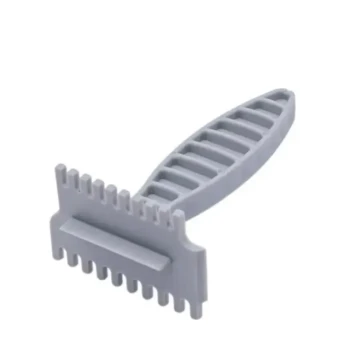
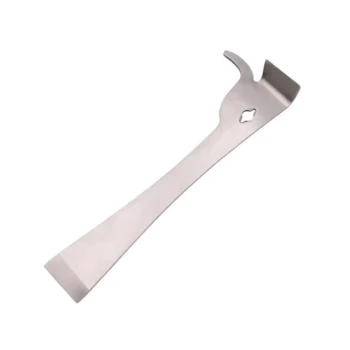
During honey harvesting, bees are cleared from supers with passive escape devices, manual tools, fume boards, or powered blowers. The right method depends on apiary scale, weather, available labor, and how quickly the supers can reach the extraction room. Once cleared, supers should be protected from heat, moisture, robbing, and wax moths, then extracted promptly or held in a suitable temperature-controlled room.
The basic workflow is simple: clear the bees without contaminating the honey, move the supers in covered transport equipment, and either extract them immediately or store them under controlled conditions until processing.
Choosing the Right Bee-Removal Method
One-way escape boards for planned harvesting
An escape board is placed between the honey supers and the brood chamber, usually the afternoon or evening before harvest. One-way escapes allow worker bees to move downward but prevent them from returning to the supers.
This is a low-disturbance method that works well when harvesting can be planned in advance. The supers should be sound and free of gaps or cracks that could allow bees or robbers to bypass the escape.
Fume boards for faster clearing
A fume board uses a felt liner treated with an approved bee repellent. Placed on top of the super, it uses the warmth of sunlight and the repellent odor to drive bees downward into the lower hive bodies.
Fume boards can be effective for commercial harvesting, but operators must use only products approved for the intended application and follow the label carefully. Excessive heat, incorrect dosage, or prolonged exposure can create quality and residue risks.
Manual shaking and brushing
For small apiaries or individual frames, operators can remove each frame, shake most bees into an empty super or back toward the hive, and gently brush away the remaining bees.
A soft bee brush is the standard tool. Natural alternatives such as a goose wing or feather may be gentler, although all brushing should be controlled to avoid injuring bees or unnecessarily agitating the colony.
Powered bee blowers for large operations
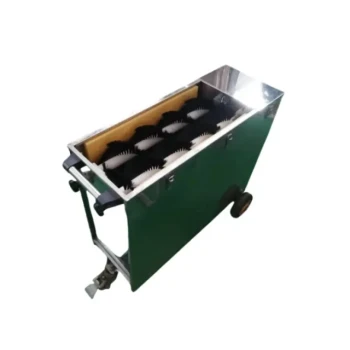
Bee blowers use controlled airflow to clear bees rapidly from supers and frames. They are suited to larger apiaries where speed and labor efficiency are important.
Blowers should be used carefully, particularly during a nectar dearth. Dispersed bees and strong honey odors can trigger robbing, so the work area should be managed to minimize exposed honey and uncontrolled bee movement.
How to Handle Supers After Bee Removal
Move supers in covered transport boxes
Once cleared, place supers into clean, covered transport boxes or enclosed vehicles. This protects the comb from dust, rain, direct sun, and unnecessary bee activity during movement to the extraction facility.
Do not leave supers exposed in the apiary. Open honey and honey-scented equipment can attract bees and create robbing pressure, especially when natural forage is limited.
Extract as soon as practical
The preferred approach is to transfer cleared supers directly to the honey room and begin processing with suitable extraction equipment. Prompt extraction reduces the time honey remains exposed to environmental contamination and pest pressure.
Extraction facilities should be clean, organized, and ready before supers are removed from the hives. For commercial operations, this preparation is essential to maintain fast order throughput and consistent product quality.
Use temperature-controlled storage when extraction is delayed
If immediate extraction is not possible, store the supers in a temperature-controlled cold room. This helps protect honey quality and limits the development of wax moth infestations.
Storage conditions should be stable and hygienic. Supers should be protected from moisture, pests, and cross-contamination, and inventory should be managed so that older harvested supers are processed first.
Keep harvested lots organized
Label supers by apiary, harvest date, or production lot when traceability matters. This is particularly important for commercial beekeepers, wholesalers, and processors handling honey from multiple locations.
Organized lot handling supports quality control, customer specifications, and efficient extraction scheduling.
Matching Equipment to Operation Size
Small-scale beekeeping
For one or two supers, manual shaking and brushing are usually the most practical options. They require limited equipment and allow the beekeeper to inspect frames individually.
An escape board is a good alternative when harvesting can be planned overnight and minimizing bee disturbance is a priority.
Medium-scale operations
Medium-sized apiaries often benefit from combining methods. Escape boards or fume boards can clear most bees, while brushes handle remaining stragglers before supers are placed in transport boxes.
This approach balances labor efficiency, equipment cost, and careful colony management.
Commercial apiaries
Large operations generally prioritize rapid, repeatable clearing through fume boards, powered blowers, or a combination of passive and mechanical systems. The best choice depends on labor availability, field conditions, transport distance, and extraction-room capacity.
Reliable sourcing is important at this scale because delays in obtaining replacement escape boards, fume-board liners, approved repellents, transport boxes, or extraction equipment can interrupt the harvest schedule.
Understanding the Trade-offs
Passive methods are gentle but slower
Escape boards create relatively little disturbance, but they require advance planning and sufficient time for bees to move downward. Their effectiveness can also vary with temperature and hive configuration.
They are less suitable when supers must be removed immediately.
Chemical repellents improve speed but require control
Fume boards can accelerate harvesting, but repellent products must be approved and used exactly as directed. Improper application can affect honey quality or create compliance concerns.
The fume board should never be treated as a substitute for correct handling and clean extraction procedures.
Blowers improve throughput but increase robbing risk
Powered blowers can save substantial labor, but they disperse bees and intensify honey odors in the work area. This can provoke robbing during periods of low nectar availability.
Use blowers in a controlled area, keep exposed honey covered, and avoid creating unnecessary openings or spills.
Delayed extraction increases storage requirements
Holding supers for later processing requires suitable cold-room capacity and effective pest control. Without temperature-controlled storage, wax moth damage and quality deterioration can become significant risks.
Making the Right Choice for Your Goal
Select the clearing and handling system according to both harvest conditions and downstream processing capacity.
- If your primary focus is small-scale harvesting: Use careful shaking and a soft brush, then move the supers immediately into covered transport boxes for extraction.
- If your primary focus is low-disturbance bee removal: Install one-way escape boards in advance and allow sufficient time for bees to leave the supers.
- If your primary focus is rapid commercial throughput: Use fume boards, powered blowers, or a coordinated combination, supported by ready extraction capacity and controlled transport.
- If your primary focus is preserving honey quality during delays: Store cleared supers in a clean, temperature-controlled cold room and protect them from wax moths, robbing, moisture, and heat.
A well-planned system combines the right bee-removal tool with disciplined transport, storage, and extraction procedures.
Summary Table:
| Method | Best For | Pros | Cons |
|---|---|---|---|
| Escape Boards | Planned harvests | Low disturbance, gentle | Requires advance placement, slower |
| Fume Boards | Faster clearing | Quick, effective | Chemical use needs care |
| Manual Shaking/Brushing | Small apiaries | Minimal equipment, control | Labor-intensive, slower |
| Bee Blowers | Large operations | Fast, efficient | Rogging risk, needs management |
Streamline your honey harvest with HONESTBEE's commercial-grade equipment. From bee blowers and fume boards to transport boxes and extraction machinery, we supply the full spectrum of beekeeping tools for apiaries and distributors. Our one-stop sourcing, rapid response, and ultra-fast delivery ensure your harvest never waits. Contact us today to boost efficiency and profitability — Get in touch!
Related Products
- Commercial Grade Vertical Electric Bee Sweeper for Bee Removal
- HONESTBEE 15-in-1 Beekeeper Multi-Tool with Hammer and Pliers for Beekeeping
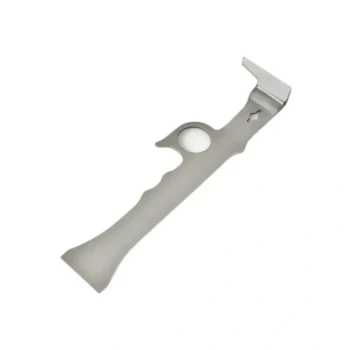
- HONESTBEE Advanced Ergonomic Stainless Steel Hive Tool for Beekeeping
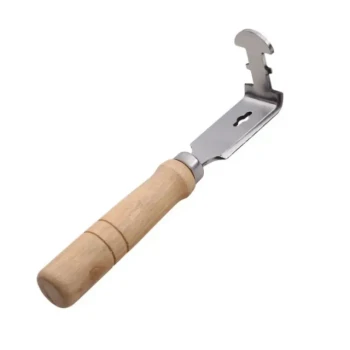
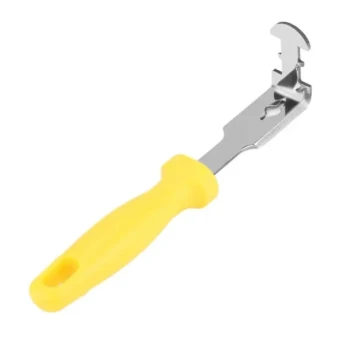
- Stainless Steel J Hook Hive Tool for Beekeeping
- HONESTBEE Classic Pry Bar Hive Tool with High Visibility Finish for Beekeeping
People Also Ask
- What are the advantages of using professional bee sweepers? Boost Honey Harvesting Efficiency and Protect Your Hive
- How do standardized frames and professional bee-sweeping equipment contribute to apiary efficiency? Scale Your Harvest
- What are the specific functions of dedicated feeding systems and physical bee removal equipment in organic production?
- What are the benefits of using professional bee removal equipment during honey harvesting? Boost Purity and Efficiency
- What is the significance of specialized bee management vs wild harvesting? Unlock High-Purity Yields