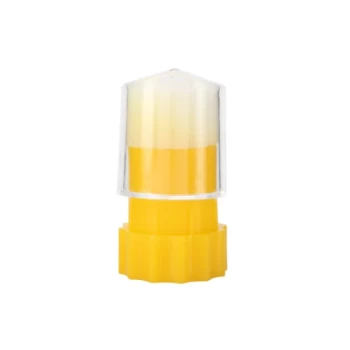
The primary function of artificial queen cell cups is to biologically induce the production of queen bees. By simulating the physical geometry of a natural queen cell, these cups act as specialized receptacles that trick nurse bees into treating transferred female larvae as potential queens. This prompts the workers to switch their feeding behavior, provisioning the larvae with the exclusive diet of royal jelly required for queen development.
Core Takeaway Artificial queen cell cups transform queen rearing from a sporadic natural event into a controllable, scalable workflow. They allow apiarists to decouple queen production from the colony's natural swarming impulse, ensuring that specifically selected larvae are raised as queens in a standardized environment.
The Mechanism of Biological Induction
Triggering the Nursing Instinct
In a natural hive, bees only build queen cells under specific conditions, such as swarming or supercedure. Artificial cups bypass this requirement by simulating an empty queen cell base.
When a larva is grafted into this cup, the physical structure signals to the worker bees that this larva is destined for royalty.
Nutritional Reprogramming
The immediate result of using these cups is a shift in nutrition. Worker bees are induced to secrete and deposit massive quantities of royal jelly into the cup.
This specialized feeding is the biological "switch" that alters the larva's developmental path, ensuring it matures into a reproductive queen rather than a sterile worker.
Achieving Industrial Scalability
Moving from Individual to Batch Production
Natural queen cells are often built irregularly across the comb, making them difficult to manage. Artificial cups are designed to be mounted on standardized grafting frames in large groups.
This allows beekeepers to rear dozens or even hundreds of queens simultaneously within a single colony, significantly increasing the efficiency of propagation.
Streamlined Workflow Integration
Because these cups are distinct, movable units, they integrate seamlessly with other apiary tools. They can be easily transferred between queen-rearing colonies, incubators, and mating nucs without damaging the fragile developing pupa.
This modularity is essential for large-scale operations where timing and handling speed are critical.
Standardization and Genetic Control
Ensuring Consistent Morphology
Natural wax cells can vary in size and shape, which may affect the development of the pupa. Artificial cups, particularly those made of plastic, provide a uniform geometric environment.
This consistency ensures that every developing queen has the same physical space for growth, leading to more uniform adult queens.
Precision Breeding
The use of artificial cups is the cornerstone of selective breeding programs. By manually transferring larvae from a specific "breeder" queen into these cups, technicians ensure that the new queens possess desirable genetic traits.
This prevents the colony from randomly raising queens from unvetted larvae, securing superior maternal lines for the future.
Understanding the Trade-offs
Material Acceptance vs. Durability
Artificial cups are generally available in wax or plastic. Wax cups are more readily accepted by bees as they closely mimic the natural hive material, but they are single-use consumables.
Plastic cups offer high durability and reusability for industrial scale, but they sometimes require coating in wax or "priming" to ensure the bees do not reject them.
The Risk of Rejection
While these cups simulate natural cells, they are not a guarantee of success. If the colony is not in the correct physiological state (e.g., queenless or swarming drive), or if the cups smell foreign, workers may clean out the larvae rather than feed them.
Success relies not just on the cup, but on the precise preparation of the "cell starter" colony.
Making the Right Choice for Your Goal
To maximize your success with artificial queen rearing, select your approach based on your specific operational targets:
- If your primary focus is Genetic Improvement: Prioritize the grafting process into cups derived from high-performing breeder queens to ensure stable trait transmission.
- If your primary focus is Royal Jelly Production: Utilize plastic cup arrays designed for high-volume collection to maximize the secretion response from nurse bees.
- If your primary focus is Large-Scale Propagation: Adopt a standardized plastic cup system that integrates with your framing hardware to facilitate rapid transfer and cleaning.
Mastering the use of artificial cups is the definitive step in moving from keeping bees to actively managing their genetics.
Summary Table:
| Feature | Primary Function & Benefit | Impact on Queen Production |
|---|---|---|
| Biological Induction | Simulates natural queen cell geometry to trigger royal jelly feeding. | Transforms worker larvae into fertile queens. |
| Industrial Scalability | Enables batch production on standardized grafting frames. | Allows for rearing hundreds of queens simultaneously. |
| Genetic Control | Facilitates manual grafting from selected breeder colonies. | Ensures superior maternal lines and trait transmission. |
| Morphological Uniformity | Provides consistent physical space for pupa development. | Results in more uniform and high-quality adult queens. |
| Workflow Efficiency | Modular design allows easy transfer between colonies and incubators. | Minimizes handling damage and streamlines operations. |
Elevate Your Queen Rearing Efficiency with HONESTBEE
At HONESTBEE, we specialize in empowering commercial apiaries and distributors with the high-precision tools required for professional bee breeding. Whether you are focused on genetic improvement, royal jelly harvesting, or large-scale propagation, our comprehensive wholesale portfolio has you covered.
How we add value to your business:
- Comprehensive Equipment Supply: From durable plastic and wax queen cell cups to specialized grafting frames and tools.
- Industrial Machinery: Advanced honey-filling and hive-making machines to scale your production.
- Industry Consumables: A wide array of essential supplies for high-volume commercial operations.
- Tailored Solutions: We cater specifically to the needs of large-scale distributors and professional beekeeping enterprises.
Ready to optimize your apiary’s output and secure superior genetics? Contact us today to discuss your wholesale needs and discover the HONESTBEE advantage.
References
- Simone Cristina Camargo, Regina Conceição Garcia. Abelha rainha Apis mellifera e a produtividade da colônia. DOI: 10.18188/sap.v14i4.13231
This article is also based on technical information from HonestBee Knowledge Base .
Related Products
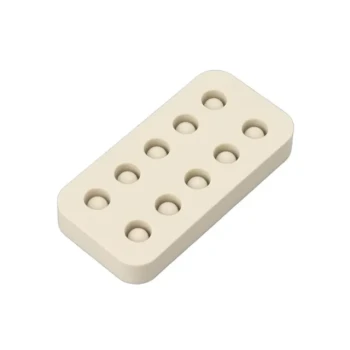
- 10-Cell Silicone Beeswax Bee Queen Cups Forming Mold
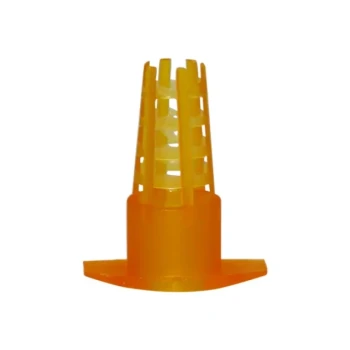
- JZBZ Type Wide Base Plastic Queen Cell Cups for Base Mounting and Queen Rearing
- Brown Nicot Queen Cell Cups for Breeding Queen Bees Beekeeping
- Clear Black Plain Polystyrene Queen Bee Grafting Cell Cups No Lug for Bee Queen Cup
- JZBZ Push-In Queen Cell Cups for Beekeeping
People Also Ask
- How do beeswax queen cell cups function? Optimize Queen Rearing with Biological Mimicry
- What is the biological function of beeswax queen cell cups? Boost Acceptance in Artificial Queen Rearing
- What role do specialized queen rearing tools play in developing mite-resistant honeybee stock? Master Genetic Selection
- What materials are used to make artificial queen cell cups for grafting? Beeswax vs. Plastic Guide
- What roles do specialized queen cell cups play in royal jelly production? Optimize Your Hive's Secretion and Yield