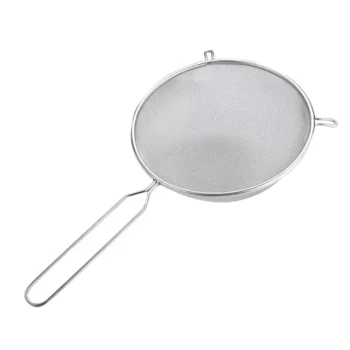
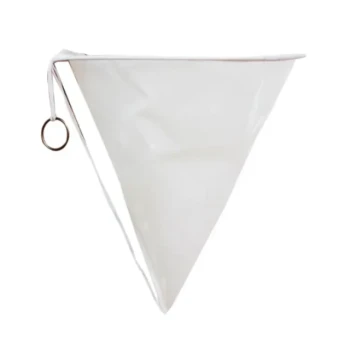
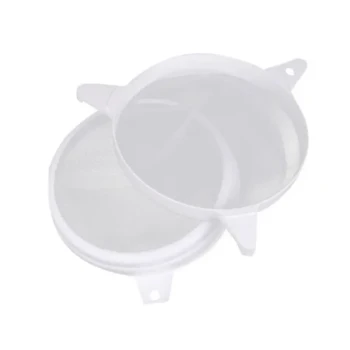
The primary function of honey filters is the mechanical removal of solid impurities naturally suspended in honey after extraction. Regardless of the specific design, these filters serve to separate liquid honey from particulate matter such as beeswax, pollen, and hive debris.
While raw honey is a natural product, the extraction process inevitably introduces solids that can affect texture and stability. Filtration is the critical processing step that transforms raw hive harvest into a clean, visually appealing product by eliminating these physical contaminants.
The Mechanics of Purification
Eliminating Hive Debris
When honey is extracted from the comb, it often carries remnants of the hive environment. Filtration acts as a physical barrier to catch larger contaminants. This includes bits of wax cappings, propolis, and occasionally fragments of bees or larval remains that fall into the mix during harvest.
Enhancing Visual Clarity
Consumers typically associate high-quality honey with transparency and cleanliness. Filters remove fine suspended particles that can make honey look cloudy or dirty. This process significantly boosts the market appeal of the final product, ensuring it meets the aesthetic standards expected in retail environments.
Stability and Preservation
Preventing Premature Crystallization
Impurities in honey act as "nucleation sites," which are starting points for sugar crystals to form. By removing small particles like dust and wax bits, filtration slows down the natural solidification process. This ensures the honey remains in a liquid, pourable state for a longer period on the shelf.
Reducing Fermentation Risks
Organic debris left in honey can harbor moisture or yeasts. If allowed to remain, these elements can lead to microbial fermentation, causing the honey to spoil or develop off-flavors. Filtration removes this organic matter, helping the honey meet strict hygiene and food safety standards.
Understanding the Trade-offs
The Risk of Over-Filtration
While removing debris is necessary, there is a balance to be struck regarding pollen. Aggressive, high-precision filtration can strip away natural pollen grains entirely. This may reduce the nutritional profile of the honey and remove the markers used to trace the honey's botanical origin.
Viscosity and Flow Rate
Effective filtration requires managing the thickness (viscosity) of the honey. Cold honey is difficult to filter and may clog screens quickly. However, heating honey to speed up filtration can damage delicate enzymes, so temperature control becomes a critical variable in the filtering process.
Making the Right Choice for Your Goal
The level of filtration you choose should align with your end-product goals.
- If your primary focus is commercial mass-market sales: Use multi-stage, fine filtration to maximize clarity and delay crystallization, ensuring a consistent shelf appearance.
- If your primary focus is "raw" or artisanal production: Utilize coarse straining only to remove large wax and bee parts, intentionally leaving pollen intact to preserve nutritional value.
Filtration is not just about cleaning honey; it is about defining the character and longevity of your final product.
Summary Table:
| Feature | Primary Function | Impact on Honey Quality |
|---|---|---|
| Debris Removal | Eliminates wax, propolis, and bee fragments | Improves food safety and hygiene standards |
| Visual Clarity | Filters out fine suspended particles | Increases consumer appeal and retail marketability |
| Crystallization Control | Removes nucleation sites like dust and bits | Extends liquid shelf life and prevents solidification |
| Fermentation Prevention | Extracts organic matter and yeasts | Reduces spoilage risks and protects flavor profile |
| Pollen Management | Balances filtration precision | Preserves nutritional value and botanical traceability |
Elevate Your Honey Production with HONESTBEE
At HONESTBEE, we specialize in empowering commercial apiaries and distributors with the professional-grade tools needed to deliver premium honey products. From high-efficiency honey-filling machines to precision honey filters and processing equipment, our comprehensive wholesale offering covers the full spectrum of beekeeping hardware and consumables.
Whether you are scaling your extraction line or sourcing specialized tools for your distribution network, our expertise ensures you achieve maximum clarity and shelf stability for your honey.
Ready to optimize your harvest? Contact us today to explore our full range of honey processing machinery and cultural merchandise tailored for industry professionals.
Related Products
- Professional Stainless Steel Honey Filtering Machine with Water Bath Heating for Beekeeping
- Electric Double Wall Honey Filtering Machine Purifier Equipment for Honey Processing Plant
- Professional Stainless Steel Honey Filter with Support Handle
- Professional Honey Filter with Tripod Support Stand
- Professional Cone-Shaped Honey Filter with Reinforced Steel Ring
People Also Ask
- Why do people filter honey? For Clarity, Stability, and Consumer Appeal
- Is it necessary to filter honey after extraction? A Guide to Straining vs. Raw Honey
- What is the best way to filter honey? A Guide to Quality, Clarity, and Raw Preservation
- Why is filtering honey an important step in honey processing? Ensure Purity, Clarity & Marketability
- What are the benefits of using honey filters? Achieve Purity, Efficiency, and Market Appeal