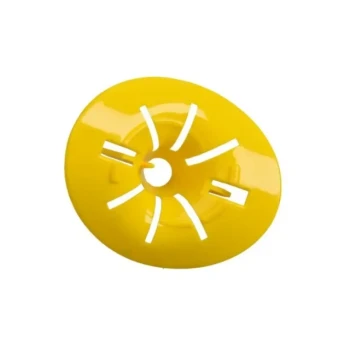
Pollen Traps function as mechanical interception devices installed at the entrance of a beehive, specifically designed to separate foraging bees from their cargo. By forcing worker bees to crawl through specific mesh grids or apertures, these devices physically strip pollen pellets from the bees' hind legs, allowing for the non-destructive acquisition of raw pollen for both commercial production and scientific study.
The core value of a Pollen Trap lies in its ability to facilitate high-volume harvesting while simultaneously acting as a diagnostic tool. It transforms the beehive into a sampling station, providing critical data on local vegetation diversity and protein availability without requiring invasive internal hive inspections.
The Mechanics of Collection
Physical Interception
The trap creates a deliberate bottleneck at the hive entrance. As bees return from foraging, they must squeeze through mechanical grates or screens.
Separation and Storage
The friction caused by passing through these grids dislodges the pollen pellets attached to the pollen baskets on the bees' hind legs. These pellets fall through a separate screen into a collection tray or drawer, keeping the sample clean and accessible.
Applications in Commercial Beekeeping
High-Volume Production
For commercial operators, the primary function is the efficient mass-production of bee pollen. These devices enable the large-scale collection of pollen to be processed as high-protein supplements for human consumption or as industrial raw materials.
Supplemental Feed Management
Beekeepers also use traps to harvest excess pollen during peak bloom periods. This harvested pollen can be stored and later fed back to colonies as nutritional support during dearth periods or before winter.
The Role in Nutritional Research
Analyzing Protein Value
In a research context, the trap is essential for assessing the nutritional quality of the forage. Technicians analyze the collected pellets to determine the specific protein content available to the colony at any given time.
Ecological Monitoring
The collected samples serve as a biological survey of the surrounding area. Researchers use them to study vegetation diversity and determine which plants are providing the most resources across different seasons.
Understanding the Trade-offs
Mechanical Stress and Pathogens
While intended to be non-destructive, the high-frequency contact required by these traps can impact colony health. Research suggests that the physical intervention and congestion at the entrance may facilitate the transmission of pathogens, such as Chronic Bee Paralysis Virus.
Nutritional Balance
Over-use of pollen traps can deprive the colony of essential protein required for brood rearing. It is critical to monitor colony nutritional levels to ensure the hive retains enough pollen for its own survival.
Making the Right Choice for Your Goals
To maximize the utility of pollen traps while maintaining apiary health, consider your specific objective:
- If your primary focus is Commercial Production: Prioritize bottom-mounted traps with large collection capacities to maximize yield during peak bloom, but rotate their use to prevent colony protein deficiency.
- If your primary focus is Nutritional Research: Use standard traps for short durations to gather "snapshot" samples of local nectar plant diversity and protein levels without causing long-term stress to the bees.
Success with pollen traps requires balancing the demand for data or product against the biological needs of the colony.
Summary Table:
| Feature | Commercial Function | Research Application |
|---|---|---|
| Primary Goal | Mass production of bee pollen | Protein analysis & ecological monitoring |
| Mechanism | Mechanical mesh interception | Bio-sampling of local vegetation |
| Benefit | High-protein supplement sales | Data on forage diversity & colony health |
| Key Concern | Nutritional balance for colony | Pathogen transmission & mechanical stress |
Scale Your Bee Pollen Production with HONESTBEE
As a dedicated partner to commercial apiaries and distributors, HONESTBEE understands the precision required for high-yield pollen collection. We offer a comprehensive wholesale range of professional beekeeping tools, including durable pollen traps, specialized hive-making machinery, and honey-filling equipment designed for industrial efficiency.
Whether you are expanding your commercial production or supplying the next generation of researchers, our portfolio provides the essential hardware and consumables you need to thrive. Enhance your apiary's productivity today—contact us for wholesale pricing and expert support!
References
- Zheko Radev. Comparing protein content of pollen and his impact on the lenght of life of honeybees. DOI: 10.12681/jhvms.25905
This article is also based on technical information from HonestBee Knowledge Base .
Related Products
- Removable Plastic Pollen Trap With Ventilated Tray for Bees Pollen Collector
- 30 cm Plastic Entrance Hole Bee Pollen Trap and Collector
- Plastic Bee Pollen Trap Strips Comb Catcher Collector
- High-Efficiency Diamond Maze Bee Escape for Clearing Supers
- Professional Bucket Style Wasp and Moth Pheromone Trap
People Also Ask
- What are the design principles and advantages of pollen traps in the collection of bee pollen? Boost Your Apiary Yield
- What is the function of professional pollen traps in evaluating honey plants? Quantifying Pollination and Crop Potential
- What functions do pollen traps serve for bee bread production? Optimize Your Raw Material Collection
- What maintenance and pest prevention measures should be taken for pollen traps? Protect Your Hive and Harvest Quality
- How does the use of pollen traps in honeybee hives enhance crop fertilization? Boost Your Yield Through Induced Activity