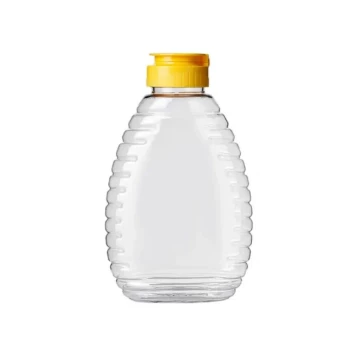
The primary function of polyethylene containers in honey sample collection is to preserve the sample's absolute chemical and physical integrity between the apiary and the laboratory. By utilizing polyethylene’s high chemical inertness and superior sealing capabilities, researchers ensure that the honey’s active components do not react with the packaging and that the sample remains free from external environmental contamination.
Core Takeaway Polyethylene acts as a neutral, stabilizing vessel that prevents the sample from interacting with its environment. Its critical value lies in halting chemical migration between the container and the honey, while simultaneously blocking moisture and microbes that could alter experimental data.
Preserving Chemical Composition
Chemical Inertness
The most critical attribute of polyethylene is its resistance to chemical reaction. Honey contains sensitive active components, including organic acids and phenolic compounds.
Polyethylene containers do not react with these acidic or active ingredients. This ensures that the chemical profile detected in the laboratory is identical to the profile present at the time of collection.
Preventing Material Migration
In addition to preventing reactions, polyethylene ensures purity by preventing leaching. High-quality polyethylene prevents the migration of container components into the honey matrix.
This stability is vital for accurate analysis, ensuring that any "impurities" detected are actually from the honey, not the plastic bottle holding it.
Ensuring Biological and Physical Stability
The Moisture Barrier
Honey is hygroscopic, meaning it naturally absorbs moisture from the air. Polyethylene bottles provide an excellent seal that acts as a barrier against external air and humidity.
By maintaining stable moisture levels, the container prevents the honey from physically changing or degrading during transport and storage.
Sterility and Microbial Control
When sterilized, polyethylene containers play a massive role in inhibiting biological spoilage. They block the entry of external microorganisms and inhibit the growth of osmophilic yeasts.
This prevents the honey from fermenting or spoiling, allowing for safe storage periods of 18 to 22 months without compromising the sample's biological signature.
Critical Considerations for Use
The Necessity of Sterilization
While polyethylene is naturally inert, the material properties alone are insufficient for all types of analysis. Using non-sterile polyethylene containers introduces a risk of cross-contamination from environmental microorganisms.
If the goal is antibacterial activity analysis or long-term storage, the container must be explicitly sterilization-grade to prevent fermentation that would invalidate the data.
Sealing Integrity
The protective benefits of polyethylene are entirely dependent on the closure system. If the sealing mechanism is compromised, the inertness of the bottle becomes irrelevant.
A failure to secure an airtight seal will lead to moisture ingress, which can dilute the sample and activate dormant yeasts, ruining the chemical baseline required for analysis.
Ensuring Accuracy in Your Analysis
If your primary focus is Chemical Profiling (Acids/Phenols):
- Prioritize polyethylene’s inertness to ensure organic acids do not react with the container walls before analysis.
If your primary focus is Microbial or Antibacterial Analysis:
- Select sterilized polyethylene containers to eliminate the risk of exogenous bacterial contamination or fermentation during storage.
If your primary focus is Long-Term Storage:
- Rely on high-density polyethylene (HDPE) with verified sealing properties to prevent moisture fluctuations over extended periods (18+ months).
Using the correct polyethylene containment strategy is not just about storage; it is the first and most critical step in guaranteeing the authenticity of your experimental data.
Summary Table:
| Feature | Benefit for Honey Sampling | Key Impact |
|---|---|---|
| Chemical Inertness | No reaction with organic acids/phenolics | Preserves chemical profile |
| Leach Resistance | Prevents material migration into honey | Ensures sample purity |
| Moisture Barrier | Blocks humidity and air ingress | Prevents fermentation/dilution |
| Biological Stability | Inhibits yeast and microbial growth | Extends storage (18-22 months) |
| Sealing Integrity | Airtight closure mechanisms | Maintains physical baseline |
Elevate Your Beekeeping Operations with HONESTBEE
Maintaining the integrity of your honey—from the apiary to the laboratory—is vital for your brand's reputation and commercial success. At HONESTBEE, we specialize in providing high-performance solutions for commercial apiaries and distributors worldwide.
Our extensive portfolio includes:
- Advanced Machinery: Precise honey-filling and hive-making machines.
- Premium Tools: High-quality beekeeping equipment and hardware.
- Essential Consumables: Secure, inert storage and sampling solutions.
- Cultural Merchandise: Unique honey-themed retail products.
Whether you are scaling your production or looking for a reliable wholesale partner, HONESTBEE delivers the expertise and equipment you need to ensure quality at every step.
Ready to optimize your apiary? Contact us today to explore our wholesale offerings!
References
- Ina Ramírez Miranda, David Betancur‐Ancona. Calidad microbiológica y actividad antibacteriana de miel producida por Melipona beecheii en Yucatán, México. DOI: 10.21897/rmvz.3175
This article is also based on technical information from HonestBee Knowledge Base .
Related Products
- Squeezable No-Drip Beehive-Shaped Honey Jars with Flip-Top Cap
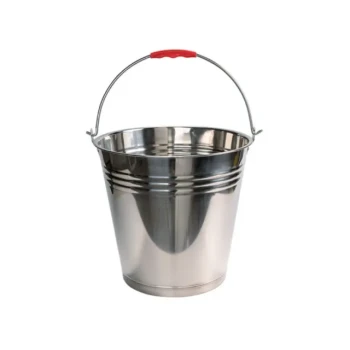
- Premium Stainless Steel Honey Tank Bucket Pail with Reinforced Handle and Polished Finish
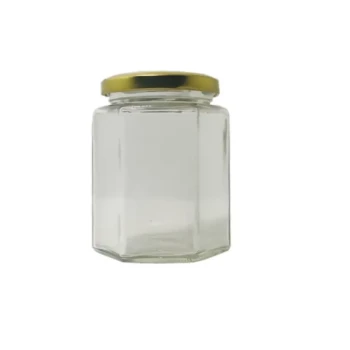
- Hexagonal Glass Honey Jars with Metal Lug Caps Elegant Versatile Packaging
- Food Grade Plastic Honey Bucket Pail for Beekeeping
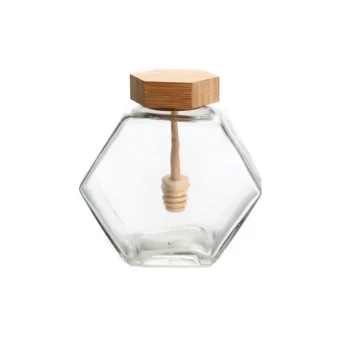
- Hexagonal Glass Honey Jar with Wooden Lid Integrated Dipper Elegant Functional Storage
People Also Ask
- What food safety standards must honey containers meet? Expert Guide to Packaging Integrity & Hygiene
- Why is it important to distinguish between weight and volume when selecting honey containers? Maximize Profits Now
- What are the benefits of purchasing honey containers in bulk? Maximize Margins & Secure Your Supply Chain
- What types of containers are ideal for storing liquid honey? Preserve Quality with Glass or Plastic
- How many jars of honey can you get from a hive? Maximize Your Yield with Strong Hive Management