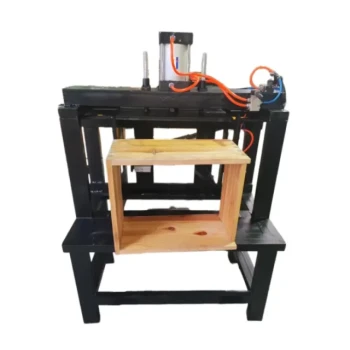
The primary purpose of integrating modular garden boxes into beehive systems is to engineer a localized micro-ecosystem. This approach treats the garden not as a separate entity, but as supplementary hardware attached to the hive, providing an immediate food source and actively improving regional ecology through native plant reintroduction.
The integration transforms a standard hive into a systematic habitat solution. By providing consistent nutritional support directly at the source, this hardware setup aims to stabilize colonies against environmental threats like Colony Collapse Disorder.
Creating a Functional Micro-Ecosystem
Immediate Nutritional Access
The modular garden box functions as a critical piece of supplementary hardware. Its placement ensures that resources are physically connected to the colony's living quarters.
This proximity provides an immediate food source. It reduces the energy cost bees typically expend during long-range foraging trips.
Enhancing Regional Ecology
Beyond feeding the specific colony, these boxes serve a broader environmental purpose. They are designed to assist in reintroducing native plants to the area.
This helps repair local biodiversity. The hive becomes a hub for spreading beneficial genetics into the surrounding environment.
Addressing Environmental Challenges
Combating Colony Collapse Disorder
The system is explicitly designed to mitigate major threats to bee populations. One of the primary targets is Colony Collapse Disorder.
By controlling the immediate environment, the system buffers the colony against external stressors. It provides a layer of resilience that standard hives may lack.
Providing Habitat Stability
Modern beekeeping often struggles with fluctuating environmental conditions. Modular integration offers a baseline of stable habitat regardless of broader land-use changes.
This ensures the colony has guaranteed access to nutritional support. It creates a predictable safety net for the bees throughout the season.
Understanding the Trade-offs
The Scope of "Supplementary" Support
It is vital to recognize that these boxes are defined as supplementary hardware. They are designed to aid the colony, not to serve as the sole source of nutrition.
A modular box cannot replace the diversity found in a wide foraging range. Reliance on the box alone would be insufficient for a full colony's needs.
Management Complexity
Integrating plant life into hive hardware increases the maintenance requirements. You are no longer just managing insects; you are managing a living botanical system.
The health of the plants directly impacts the efficacy of the hardware. If the plants fail, the "micro-ecosystem" function is compromised.
Making the Right Choice for Your Goal
Integrating garden modules creates a symbiotic relationship between your bees and their immediate surroundings.
- If your primary focus is colony health: Select plant species for the boxes that offer high-nectar flows to provide maximum nutritional support during dearth periods.
- If your primary focus is ecological restoration: Utilize the modular boxes to cultivate rare or essential native plants that can propagate into the wider regional ecology.
Ultimately, this hardware integration transforms the hive from a simple shelter into a proactive tool for environmental stability.
Summary Table:
| Feature | Purpose | Key Benefit |
|---|---|---|
| Micro-Ecosystem | Localized habitat integration | Stabilizes colony against environmental stressors |
| Supplementary Hardware | Immediate nutritional access | Reduces bee energy expenditure during foraging |
| Native Reintroduction | Regional ecological repair | Enhances biodiversity and beneficial genetics |
| Habitat Stability | Predictable safety net | Buffers colony against land-use changes and CCD |
Elevate Your Apiary Operations with HONESTBEE
As a commercial apiary or distributor, maximizing colony resilience is key to your success. HONESTBEE provides the full spectrum of professional beekeeping tools, from hive-making machinery to essential consumables designed for modern ecosystem management. Whether you are looking to scale production with our honey-filling machines or source high-quality modular hardware for regional distribution, we offer the comprehensive wholesale solutions you need.
Ready to strengthen your colonies and optimize your output?
Contact HONESTBEE Today for Custom Wholesale Solutions
References
- Whitney Gaskins, Kate Rice. Sticky Innovation: Exploring the Problem of the Bees through Engineering and Art. DOI: 10.18260/1-2--28848
This article is also based on technical information from HonestBee Knowledge Base .
Related Products
- Portable Bee Mating Hive Boxes Mini Mating Nucs 8 Frames for Queen Rearing
- Australian Langstroth Beehive Boxes for Beekeeping Wholesales
- 5 Frame Wooden Nuc Box for Beekeeping
- Langstroth Honey Bee Box Hive Boxes for Different Depths
- Metal Bee Hive Stand Bee Box Stand for Beekeeping
People Also Ask
- How do specialized queen-rearing frames and mating boxes boost off-season bee production? Optimize Your Apiary's Output
- What are the approximate weights of different types of 8-frame beehive boxes? Lift Smarter for Your Apiary
- What role does the structural configuration of beekeeping mating boxes play? Optimize Queen Mating Success
- What is an 8 frame box and why is it popular? A Lighter, More Ergonomic Hive Solution
- What role do portable mating nucs play in geographic isolation breeding? Secure Genetic Purity in Remote Locations