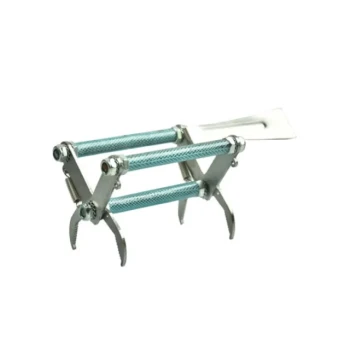
Optimizing apiary management begins with standardized frame integration. The primary purpose of using nested frames is to guide honeybees to build their combs along a predetermined vertical path. This modular approach ensures structural stability, promotes essential air circulation, and allows for non-destructive inspections by enabling the removal of individual combs without compromising the hive’s integrity.
Central Takeaway: Nested frames provide the structural blueprint for a hive, transforming an organic colony into a manageable, modular system that facilitates both honey production and colony health monitoring.
The Role of Precision Engineering in Hive Management
Guiding Vertical Comb Construction
Frames serve as the primary guide for bees, ensuring they build honeycombs within specific boundaries. By utilizing a rectangular structure, usually made of wood or plastic, the bees are incentivized to follow a predetermined vertical path. This prevents "burr comb" or irregular growth that can fuse internal components together.
Facilitating Non-Destructive Inspections
The modularity of the frame system is critical for professional hive maintenance and colony health. Because each frame is removable and independent, technical personnel can inspect brood patterns and food stores without damaging the hive's overall structure. This mobility allows beekeepers to shift frames between boxes to balance colony strength.
Maintaining "Bee Space" and Airflow
Precision-engineered frames are designed to maintain the exact "bee space" required for bees to move freely without sealing gaps with propolis. This standardized spacing promotes optimal air circulation, which is vital for temperature regulation and moisture control within the colony.
Enhancing Productivity Through Modular Design
Supporting Large-Scale Colony Functions
Frames provide the essential strength needed to hold beeswax foundations, which support the weight of developing brood and heavy honey stores. Deep frames, in particular, serve as the primary brood chamber, providing ample space for the queen to lay eggs and for workers to store pollen and nectar.
Versatility Across Hive Configurations
Professional-grade frames come in various sizes—including deep, medium, and shallow—to correspond with specific hive boxes. This diversity allows distributors to offer a full-spectrum product portfolio that caters to different stages of the honey production cycle. A standard hive box typically accommodates 8 to 10 of these units to maximize space efficiency.
Durability and Material Integrity
Modern frames utilize high-quality wood or plastic composites to withstand the rigors of frequent extraction and hive migrations. High-tensile frames serve as the "studs" of the beehive, ensuring the internal architecture remains stable even under the weight of several pounds of honey.
Understanding the Trade-offs
Material Limitations: Wood vs. Plastic
While wooden frames are traditional and often preferred for their natural properties, they can be more susceptible to breakage during high-speed centrifugal extraction. Plastic frames and foundations offer superior durability and are often easier to sanitize, though they require a wax coating to ensure bee acceptance.
The Risk of Incomplete Installation
Leaving gaps in a hive box by not installing a full set of frames can lead to disastrous structural results. Bees will instinctively fill empty spaces with irregular comb, making future inspections impossible and significantly slowing down order fulfillment and harvest cycles.
Making the Right Choice for Your Goal
As a distributor or wholesaler, selecting the right frame inventory is a matter of balancing material durability with the specific operational needs of your commercial clients.
- If your primary focus is supply chain reliability and durability: Prioritize high-grade plastic frames that withstand the mechanical stress of commercial extraction and rapid shipping.
- If your primary focus is catering to premium, traditional apiaries: Stock high-quality coniferous wood frames that offer the breathability and natural feel preferred by specialized honey producers.
- If your primary focus is maximizing hive productivity and brood growth: Ensure your portfolio includes deep frames with reinforced foundations to support high-volume colony expansion.
Standardizing your inventory with precision-engineered frames ensures your clients receive the structural stability and modular efficiency required for modern, high-yield beekeeping.
Summary Table:
| Feature | Primary Purpose & Benefit | Ideal Application |
|---|---|---|
| Vertical Guidance | Prevents irregular "burr comb" growth and fuses components | Standardized apiary management |
| Modular Design | Enables non-destructive inspections and frame swapping | Colony health monitoring |
| Bee Space Control | Ensures precise gaps for optimal airflow and temperature | Climate-sensitive honey production |
| Structural Support | Holds foundations for heavy brood and honey stores | High-yield commercial hives |
| Material Variety | Choice between natural wood or durable, easy-to-sanitize plastic | Diverse wholesale inventory |
Scale Your Beekeeping Business with HONESTBEE
As a distributor or commercial apiary, your success depends on a reliable, high-capacity supply chain. HONESTBEE is your premier partner for one-stop sourcing, offering a comprehensive wholesale portfolio of precision-engineered beekeeping tools, hive-making machinery, and essential consumables.
Why partner with us?
- Full-Spectrum Portfolio: From deep frames to automated honey-filling lines.
- OEM/ODM Support: Tailored solutions to boost your brand's market competitiveness.
- Rapid Fulfillment: Ultra-fast delivery and efficient order processing to keep your inventory moving.
- Industry Expertise: Deep professional support to help you navigate the needs of large-scale honey producers.
Ready to optimize your inventory and maximize margins?
Contact Our Export Team Today to receive our latest wholesale catalog and expert consulting.
References
- Wara Asfiya, Laras Ay Hapsari. Eksplorasi potensi budi daya lebah madu Apis cerana Fabricius di Taman Kehati Kiarapayung, Jawa Barat. DOI: 10.5994/jei.22.1.1
This article is also based on technical information from HonestBee Knowledge Base .
Related Products
- Wooden Bee Hive Frames for Beekeeping and Wholesale
- Assembled Wooden Bee Frames with Plastic Foundation for Durability and Convenience by HONESTBEE
- HONESTBEE Wired and Assembled Wooden Bee Frames Foundation for a Thriving Hive
- Plastic Bee Frame Beekeeping Hive Frames for Wholesale
- Professional Galvanized Steel Frame Rest for Beehives
People Also Ask
- How do wooden and plastic hive frames compare in terms of durability? Wood vs. Plastic Longevity & Repairability
- How does balancing the number of frames impact hive productivity? Optimize Your Apiary's Biological Output
- What are the main considerations when choosing between wooden and plastic bee hive frames? Optimize Your Apiary's Efficiency
- How should beehive frames be maintained to prolong their lifespan? 5 Pro Tips for Durable Beekeeping Equipment
- Can I reuse old beehive frames? Save Money and Boost Hive Productivity