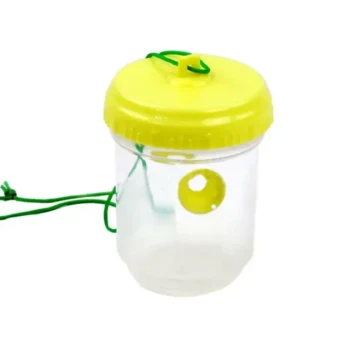
The primary function of professional plastic propolis collection traps is to ensure the harvest of high-purity raw material. These devices are engineered to mimic the internal gaps of a beehive, triggering the bees' natural instinct to seal the crevices, which allows for a collection process that largely eliminates the physical contaminants common in manual harvesting.
By exploiting the biological instinct of bees to seal hive crevices, plastic traps ensure the harvest of clean, high-grade raw material. This method drastically reduces mechanical impurities, providing the consistent quality required for accurate chemical analysis and pharmaceutical applications.
The Mechanics of Induced Collection
Exploiting Natural Instincts
The fundamental principle of these traps is the simulation of natural hive cracks or gaps.
Bees possess an innate drive to seal specific-width openings within their environment. By presenting a grid that mimics these gaps, the trap induces the bees to deposit fresh propolis specifically to close them.
Strategic Placement for Efficiency
These traps are typically placed at the top of the hive, often beneath the hive cover.
This placement leverages the bees' behavior to seal the upper boundaries of their living space. It concentrates the deposition of resin in a specific, removable area rather than allowing it to be scattered across frame edges or hive bodies.
Elevating Raw Material Quality
Minimizing Contamination
The most critical advantage of using professional traps is the significant reduction of impurities.
Traditional scraping methods often introduce wood chips, old wax, beeswax debris, and dead bees into the sample. Plastic traps facilitate a clean harvest, ensuring the raw material is composed almost entirely of the resinous secretion intended for collection.
Essential for Chemical Analysis
High-purity samples are a prerequisite for accurate scientific evaluation.
According to the primary technical data, the purity achieved by these traps is essential for the subsequent analysis of phenolic and flavonoid compounds. Without this high-quality initial sample, chemical profiling can be compromised by background noise from contaminants.
Operational Considerations
Reducing Labor Intensity
Beyond quality control, these traps offer a distinct operational advantage over manual scraping.
Harvesting propolis by scraping frames is labor-intensive and inconsistent. Traps standardize the process, allowing for faster removal of the raw material while simultaneously protecting the structural integrity of the wooden hive components.
Standardization for Industry
For pharmaceutical or commercial applications, consistency is key.
Using traps creates a standardized "pharmaceutical-grade" input. This simplifies downstream processing, as there is less need for aggressive filtration or refining to remove environmental debris like tree bark or excess beeswax.
Making the Right Choice for Your Goal
Ideally, the collection method should align with the intended use of the propolis.
- If your primary focus is Chemical Analysis: You must use professional traps to minimize impurities that could interfere with the quantification of phenolics and flavonoids.
- If your primary focus is Commercial Production: You should utilize traps to reduce labor costs and ensure a standardized, high-grade product that requires less refining.
Professional traps transform propolis harvesting from a crude manual chore into a precision process, yielding the pure raw material necessary for high-value applications.
Summary Table:
| Feature | Traditional Scraping | Professional Plastic Traps |
|---|---|---|
| Purity Level | Low (contains wood, wax, debris) | High (clean resinous secretion) |
| Labor Intensity | High / Manual | Low / Standardized |
| Material Quality | Inconsistent | Pharmaceutical Grade |
| Key Benefit | Low cost, low quality | High Phenolic & Flavonoid accuracy |
| Hive Impact | Potential damage to frames | Protects hive structural integrity |
Elevate Your Apiary Production with HONESTBEE
Maximize your harvest efficiency and purity with HONESTBEE’s professional-grade beekeeping solutions. As a leading partner for commercial apiaries and distributors, we provide a comprehensive wholesale range designed to streamline your operations.
From high-efficiency propolis collection traps to specialized honey-filling machines and hive-making equipment, our portfolio covers every industry essential—including honey-themed cultural merchandise.
Ready to scale your production with industry-leading tools? Contact HONESTBEE Today to explore our wholesale offerings and discover how our expertise can drive your business growth.
References
- Meral Kekeçoğlu, Ali Sorucu. Determination of the effect of green extraction solvents on the phenolic acids and flavonoids of propolis. DOI: 10.30782/jrvm.937418
This article is also based on technical information from HonestBee Knowledge Base .
Related Products
- 8 Frame and 10 Frame Propolis Trap Collector Screen for Propolis Collection
- Removable Plastic Pollen Trap With Ventilated Tray for Bees Pollen Collector
- 30 cm Plastic Entrance Hole Bee Pollen Trap and Collector
- Plastic Bee Pollen Trap Strips Comb Catcher Collector
- Plastic Beetle Blaster Trap Beekeeping Tools and Supplies
People Also Ask
- Why is a specific wooden frame required when installing a propolis screen? Optimize Your Propolis Harvest Efficiency
- What are the advantages of using propolis collector screens? Elevate Your Harvest to Pharmaceutical Purity
- How do propolis collection screens work? Discover material specs for commercial harvesting equipment
- How does the mesh size of a propolis collection screen influence the efficiency of propolis harvesting? Optimize Yields!
- How do commercial-grade plastic screens compare to custom fine-mesh screens? Maximize Your Propolis Yield & ROI