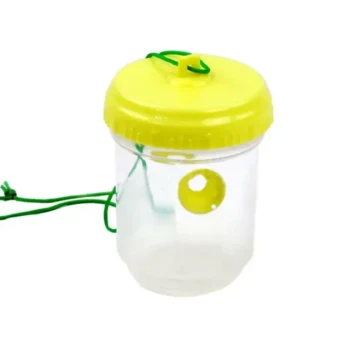
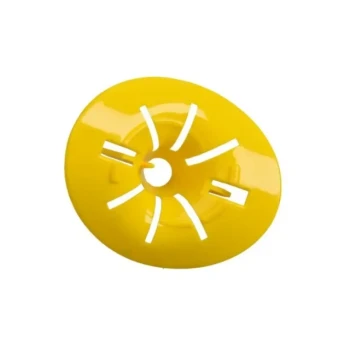
A standard Pollen Trap functions as a mechanical interception device installed directly at the beehive entrance. Its immediate role is to create a physical barrier that strips pollen loads from the hind legs of returning foragers, collecting them in a tray below. In the context of orchard beekeeping research, this device is indispensable for acquiring bee-processed pollen samples—biological material enriched with saliva enzymes and nectar—which are required for comparative studies on proteomic differences between bee-collected and manually gathered pollen.
The Pollen Trap is not merely a harvesting tool; it is a precision sampling instrument. It isolates pollen that has been biochemically modified by the bee, enabling researchers to distinguish the properties of "bee pollen" from raw floral pollen.
The Mechanics of Sample Collection
Physical Interception
The trap operates on a simple mechanical principle. It forces foraging bees to pass through a specific grid or screen aperture to enter the hive.
The dimensions of these apertures are calibrated to allow the bee to pass while stripping the pollen pellets from their pollen baskets.
Biological Modification
The samples collected by the trap differ significantly from pollen shaken directly from flowers.
According to the primary research context, the trap captures pollen that has already been mixed with bee saliva enzymes and nectar. This biological processing is the focal point for proteomic research, as it alters the chemical composition of the sample.
Research Applications in the Orchard
Comparative Proteomics
The most critical research application is the study of protein structures.
Researchers use the trap to gather material for comparative studies. By analyzing the trapped pollen, scientists can determine the proteomic differences caused by the bee's digestive enzymes compared to manually collected control samples.
Assessing Biodiversity
Beyond chemical analysis, the trap serves as a monitor for local vegetation.
By examining the diversity of the collected pellets, technicians can map the local nectar plant diversity. This provides data on what the colony is foraging on without requiring invasive hive inspections.
Nutritional Monitoring
The volume and type of pollen collected provide a real-time metric of colony nutrition.
This data allows researchers to assess pollen supply across different seasons. It provides the scientific basis for decisions regarding supplemental feeding or apiary migration.
Understanding the Trade-offs
Physical Stress and Pathogens
While valuable for data, the trap introduces physical friction at the hive entrance.
Research indicates that high-frequency contact with the stripping grids can negatively affect colony health. Specifically, these physical interventions are studied as potential vectors or aggravators for pathogens like Chronic Bee Paralysis Virus.
Nutritional Deprivation
The trap works by robbing the colony of its primary protein source.
Continuous use of a pollen trap can lead to nutritional deficits within the hive. In a research setting, the duration of trapping must be carefully managed to avoid skewing data by weakening the subject colony.
Making the Right Choice for Your Goal
To maximize the utility of a Pollen Trap in your research, align your usage strategy with your specific analytical targets.
- If your primary focus is Proteomic Analysis: Prioritize the collection of fresh samples to preserve the integrity of the saliva enzymes and nectar introduced by the bees.
- If your primary focus is Ecological Surveying: Use the trap intermittently to sample vegetation diversity without permanently impacting the colony's nutritional stores.
- If your primary focus is Colony Health: Monitor the bees closely for signs of paralysis virus or physical damage caused by the friction of the trap mechanism.
Effective research relies not just on the tool, but on the precise timing of its application to balance data collection with colony welfare.
Summary Table:
| Feature | Research Application | Scientific Insight |
|---|---|---|
| Physical Interception | Sample Collection | Acquires bee-processed pollen enriched with enzymes and nectar. |
| Comparative Proteomics | Biochemical Analysis | Distinguishes proteomic differences between bee-collected and floral pollen. |
| Ecological Surveying | Biodiversity Mapping | Monitors local nectar plant diversity and foraging patterns. |
| Nutritional Monitoring | Colony Management | Assesses protein supply to inform supplemental feeding strategies. |
| Friction Analysis | Health Research | Evaluates the impact of mechanical stress on pathogens like CBPV. |
Elevate Your Apiary Research and Efficiency with HONESTBEE
At HONESTBEE, we understand that precision is the backbone of successful commercial beekeeping and research. Whether you are a large-scale distributor or a commercial apiary operator, our comprehensive wholesale portfolio offers the specialized tools you need to succeed.
From high-performance pollen traps and beekeeping hardware to advanced honey-filling and hive-making machinery, we provide the full spectrum of equipment and industry consumables. Partner with us to access professional-grade supplies that balance data collection needs with colony welfare.
Ready to scale your operation or stock your distribution line? Contact HONESTBEE Today to explore our wholesale solutions and expert equipment support!
References
- Veronika Borutinskaitė, Rūta Navakauskienė. Proteomic studies of honeybee- and manually-collected pollen. DOI: 10.13080/z-a.2019.106.024
This article is also based on technical information from HonestBee Knowledge Base .
Related Products
- Removable Plastic Pollen Trap With Ventilated Tray for Bees Pollen Collector
- 30 cm Plastic Entrance Hole Bee Pollen Trap and Collector
- Plastic Bee Pollen Trap Strips Comb Catcher Collector
- High-Efficiency Diamond Maze Bee Escape for Clearing Supers
- Professional Bucket Style Wasp and Moth Pheromone Trap
People Also Ask
- What are the design principles and advantages of pollen traps in the collection of bee pollen? Boost Your Apiary Yield
- What is the function of professional pollen traps in evaluating honey plants? Quantifying Pollination and Crop Potential
- What functions do pollen traps serve for bee bread production? Optimize Your Raw Material Collection
- What maintenance and pest prevention measures should be taken for pollen traps? Protect Your Hive and Harvest Quality
- How does the use of pollen traps in honeybee hives enhance crop fertilization? Boost Your Yield Through Induced Activity