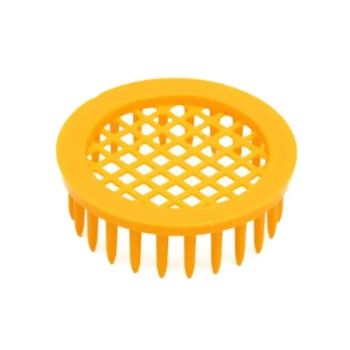
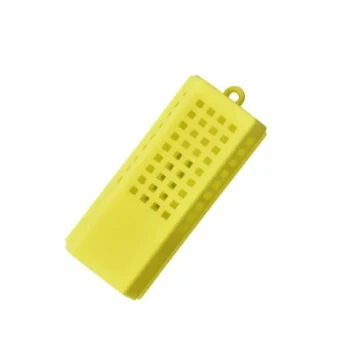
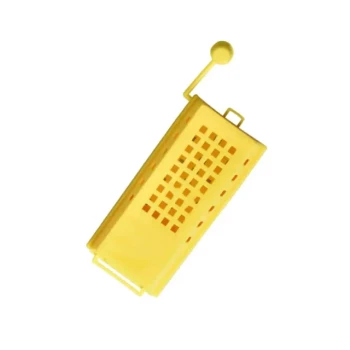
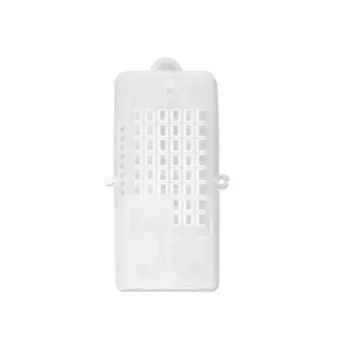
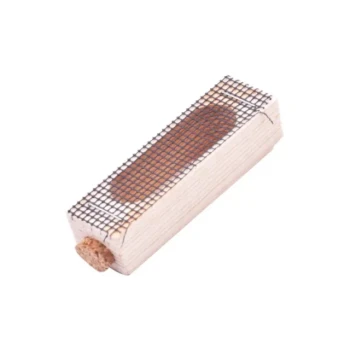
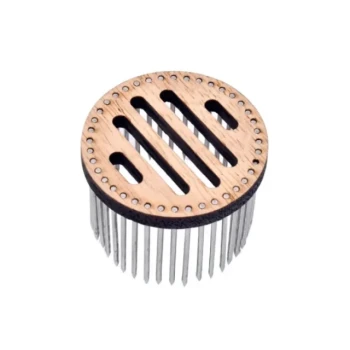
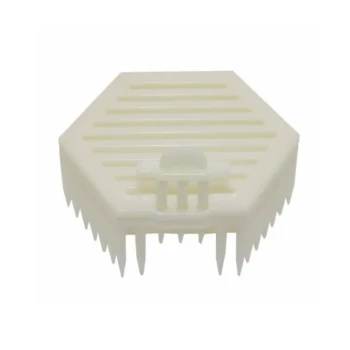
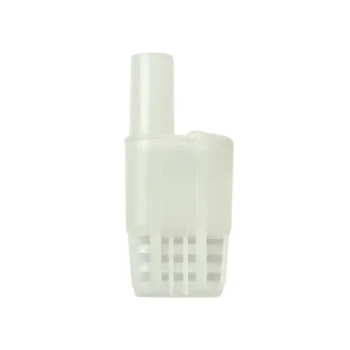
The primary role of a plastic Queen Cage is to function as a temporary biological shield. It physically isolates a newly introduced, non-related queen from the established colony, preventing lethal aggression from worker bees. This confinement is absolutely essential during the first 24 to 48 hours of the replacement process.
Core Takeaway The plastic Queen Cage acts as a buffer between the colony's defensive instincts and the new queen's survival. By preventing direct contact while allowing airflow, it enables the queen's pheromones to slowly permeate the hive, converting the colony's reaction from hostility to acceptance.
The Mechanics of Introduction
The Biological Barrier
Honeybee colonies are highly defensive superorganisms. They identify "self" versus "intruder" through chemical signals.
A replacement queen does not yet carry the specific scent of the colony. Without the physical barrier of the cage, worker bees would view her as a threat and attack immediately.
The plastic cage creates a safe zone. It prevents workers from "balling" (surrounding and overheating) or stinging the new queen, ensuring she survives the initial introduction.
Pheromone Integration
Success in queen replacement relies on chemistry, not just proximity. The colony must acclimate to the new queen's pheromones.
The cage allows air to circulate freely through its openings. This distributes the queen's scent throughout the hive without exposing her to physical harm.
Over the course of 24 to 48 hours, the colony's collective scent profile shifts. As the workers become habituated to her pheromones, their behavior transitions from aggression to acceptance.
Critical Timelines
The Acclimation Window
The primary reference indicates that the critical danger period typically lasts between 24 and 48 hours.
During this window, the queen must remain strictly confined. Releasing her before the colony has fully accepted her scent profile usually results in the rejection and death of the queen.
Understanding the Risks and Trade-offs
The Risk of Premature Release
The most common failure mode in using a Queen Cage is human error regarding timing.
While the cage is a tool for protection, it is not a guarantee of acceptance. If the beekeeper releases the queen based on a clock (e.g., exactly 24 hours) rather than observing worker behavior, the protection provided by the cage is nullified.
Interaction Limitations
Plastic cages are effective barriers, but they restrict the queen's ability to interact naturally.
During confinement, the queen cannot lay eggs or move freely. While this restriction is necessary for survival, it is a stressor. The process should not be prolonged unnecessarily beyond the point of acceptance.
Ensuring a Successful Replacement
To maximize the success of your queen replacement, apply the following principles:
- If your primary focus is Survival: Do not release the queen until you see workers ignoring the cage or feeding her through the bars, rather than biting at the mesh.
- If your primary focus is Timing: Adhere to the minimum 24 to 48-hour confinement window to allow for adequate pheromone dispersal.
The plastic Queen Cage is not merely a container; it is a tool for managing the biological negotiation between a suspicious colony and their future leader.
Summary Table:
| Feature | Primary Function | Impact on Colony Acceptance |
|---|---|---|
| Physical Barrier | Prevents lethal aggression/balling | Protects the queen during the high-risk 24-48 hour window |
| Airflow Mesh | Facilitates pheromone dispersal | Transitions worker behavior from hostility to acceptance |
| Temporary Housing | Isolates non-related queens | Allows the hive to acclimate to a new chemical scent profile |
| Controlled Release | Manages introduction timing | Ensures survival by preventing premature contact |
Elevate Your Beekeeping Success with HONESTBEE
At HONESTBEE, we understand that successful queen replacement is critical to the productivity of your apiary. We cater to commercial apiaries and distributors by providing a comprehensive range of professional-grade beekeeping tools and machinery.
Our extensive wholesale portfolio includes everything from precision plastic queen cages and hive-making hardware to advanced honey-filling machines and industry consumables. Partner with us to streamline your operations and benefit from our high-quality equipment designed for modern bee management.
Ready to scale your apiary or restock your distribution inventory?
Contact us today to discuss your wholesale needs!
References
- Tânia Patrícia Schafaschek, Vagner de Alencar Arnaut de Toledo. <b>Performance of Africanized honeybee colonies settled by queens selected for different traits. DOI: 10.4025/actascianimsci.v38i1.26840
This article is also based on technical information from HonestBee Knowledge Base .
Related Products
- Durable Plastic Push In Queen Bee Cage
- Plastic Queen Marking Tube Cage with Plunger for Beekeeping
- Professional Multi-Compartment Queen Cage with Sliding Lid
- Transparent Plastic Bee Catcher Queen Marker Tube Cage Beekeeping Tool Equipment
- Plastic Long Marker Device for Catching and Marking Bees Queen Bee Marking Tube and Cage
People Also Ask
- What advantages do push-in queen cages offer? Boost Acceptance Rates for Artificially Inseminated Queens
- What is a push-in queen cage and how does it differ from a standard queen cage? Boosting Your Queen Acceptance Rates
- How can a beekeeper obtain a push-in queen cage? DIY vs. Professional Sourcing Guide
- Why are specialized queen bee cages used for the banking of mated queen bees? Maximize Commercial Apiary Storage Efficiency
- What is a push-in queen cage and how does it differ from standard cages? Achieve Higher Queen Acceptance Rates