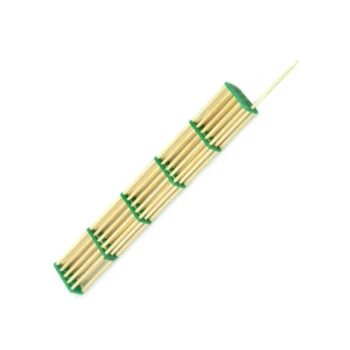
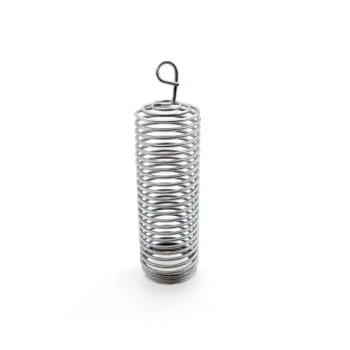
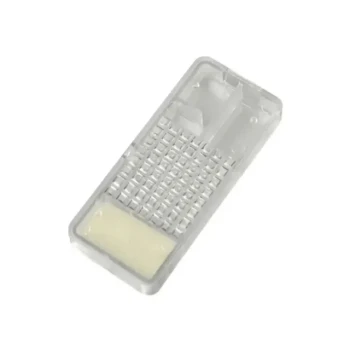
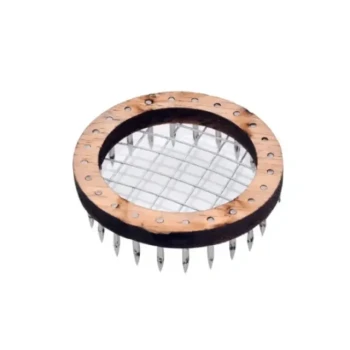
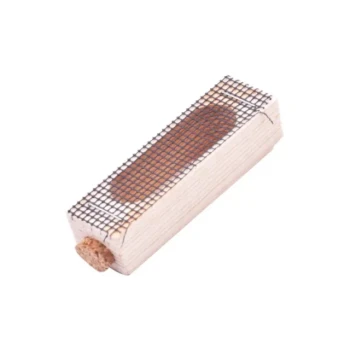
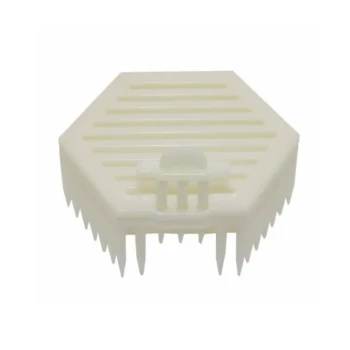
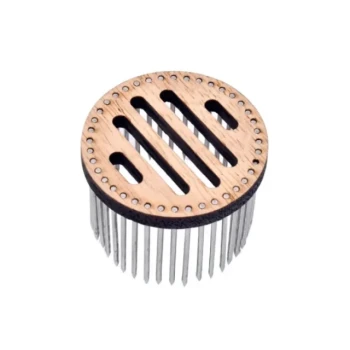
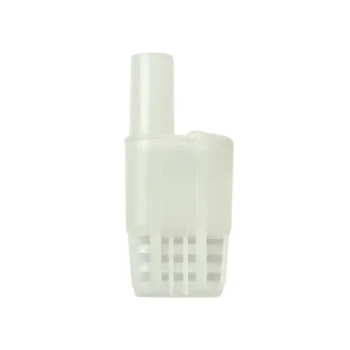
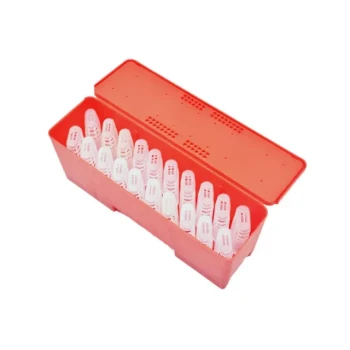
The primary mechanism of a queen isolation cage is to enforce strict temporal precision on egg-laying activities. By physically restricting the queen bee to a single specific comb for a defined duration—typically a narrow window of five to six hours—researchers ensure that every egg on that comb is laid within that exact timeframe. This creates a cohort of larvae that are biologically synchronized, effectively eliminating age-related variability from the sample set.
By confining the queen's laying activity to a tight timeframe, the isolation cage creates a "biological snapshot" where every larva is at the exact same developmental stage. This synchronization is the absolute prerequisite for reproducible data in sensitive fields like proteomics and pathogen research.
Achieving Temporal Precision
The Constraints of Space and Time
The queen isolation cage acts as a control valve for the hive's reproductive rate. By placing the queen within an excluder cage on a specific frame, researchers dictate exactly where and when brood production occurs.
Creating a Uniform Cohort
Without this intervention, a queen moves freely, laying eggs continuously across various frames. This results in a "mixed-age" population where larvae on the same comb could differ in development by days. The isolation cage forces the creation of a batch of larvae that share a simultaneous birth window.
The Criticality of Age Homogeneity
Baseline for Proteomics
For advanced molecular studies, such as proteomics, the developmental stage of the larva is a massive variable. A larva's protein profile changes rapidly as it grows.
If samples vary in age even slightly, the resulting data will be "noisy," making it impossible to distinguish between a treatment effect and natural growth differences. Standardization ensures that the protein expression observed is accurate to the specific developmental phase.
Isolating Variables in Infection Studies
When studying disease, such as infection patterns or susceptibility to pathogens like chalkbrood, age is a determining factor. Younger larvae may be more vulnerable than older ones.
By using an isolation cage to synchronize ages, researchers can confirm that differences in survival rates are due to the pathogen or treatment, not because one larva was older and more robust than another.
Understanding the Operational Trade-offs
Duration vs. Sample Size
There is an inverse relationship between the precision of age and the quantity of brood.
- Short Duration (5-6 Hours): This offers the highest precision for molecular analysis but limits the number of eggs the queen can lay, resulting in a smaller sample size.
- Longer Duration (up to 48 Hours): This provides a larger batch of larvae but introduces a wider margin of age variation, which may be acceptable for general observation but insufficient for sensitive molecular baselines.
Experimental Bias
While the cage eliminates age bias, it introduces a physical constraint. Researchers must ensure the cage design permits proper worker bee access to tend to the queen and the eggs. Improper isolation can stress the queen or prevent proper egg maintenance, potentially skewing results in a different direction.
Aligning Isolation Protocols with Research Goals
To effectively utilize a queen isolation cage, you must match the restriction window to the sensitivity of your experiment:
- If your primary focus is high-resolution proteomics: Limit the queen's confinement to a short window (e.g., 5-6 hours) to ensure near-perfect age synchronization.
- If your primary focus is general pathogen susceptibility or dose-response: You may extend the confinement (e.g., up to 48 hours) to obtain larger larval batches while still maintaining a controlled age range.
- If your primary focus is reducing spatial variables: Ensure the cage effectively restricts the queen from honey supers to prevent the mixing of brood rearing and resource storage.
Ultimately, the queen isolation cage transforms a chaotic biological system into a controlled environment, allowing you to treat larval development as a constant rather than a variable.
Summary Table:
| Research Requirement | Confinement Duration | Developmental Variance | Primary Application |
|---|---|---|---|
| High Precision | 5-6 Hours | Minimal (< 6hrs) | Proteomics, Molecular Analysis, Gene Expression |
| Medium Precision | 12-24 Hours | Moderate | Pathogen Susceptibility, Growth Rate Studies |
| High Sample Volume | Up to 48 Hours | Significant | General Observation, Large-scale Field Trials |
| Spatial Control | Variable | N/A | Resource Management, Preventing Brood in Honey Supers |
Elevate Your Apiary Research and Efficiency with HONESTBEE
At HONESTBEE, we understand that precision is the foundation of successful commercial beekeeping and advanced apicultural research. Whether you are a large-scale commercial apiary or a global distributor, our comprehensive wholesale offering provides the specialized tools you need to standardize your operations.
How we add value to your business:
- Precision Hardware: From high-quality queen isolation cages for research to advanced honey-filling and hive-making machinery.
- Wholesale Scale: We supply the full spectrum of beekeeping tools and essential consumables at competitive bulk pricing.
- Specialized Expertise: Our portfolio is designed to support both the technical demands of the laboratory and the rugged requirements of the field.
Ready to scale your production or upgrade your research equipment? Contact us today to explore how HONESTBEE’s professional-grade tools can drive your success.
References
- Yi Zhang, Richou Han. Proteomic Analysis of Apis cerana and Apis mellifera Larvae Fed with Heterospecific Royal Jelly and by CSBV Challenge. DOI: 10.1371/journal.pone.0102663
This article is also based on technical information from HonestBee Knowledge Base .
Related Products
- Professional Bamboo Queen Isolation Cage
- Durable Galvanized Steel Spring Queen Bee Cage
- Professional Queen Cage with Sliding Gate and Feeder Plug
- Professional Multi-Functional Queen Bee Cage
- Professional Queen Bee Introduction and Transport Cage
People Also Ask
- Why are specialized queen bee cages used for the banking of mated queen bees? Maximize Commercial Apiary Storage Efficiency
- What is the mechanism of action for using temporary queen bee cages? Master Successful Queen Introduction
- How does the side ventilation design of a queen bee cage impact the safety of the queen during long-distance transport?
- What should you do if the queen is still in the cage and the worker bees have not accepted her? Protect Your Colony from Queen Rejection
- What technical precaution must be taken regarding the mesh or grill side of a queen bee cage? Ensure Queen Survival