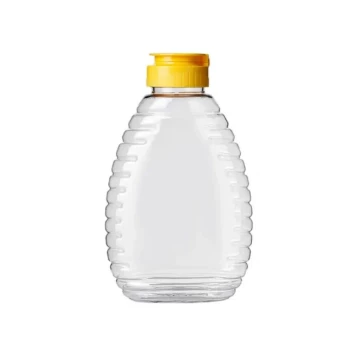
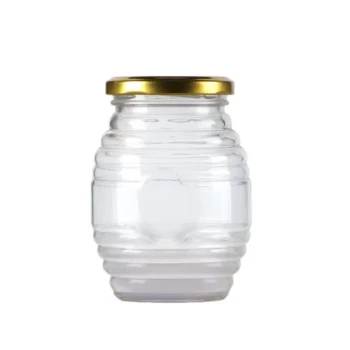
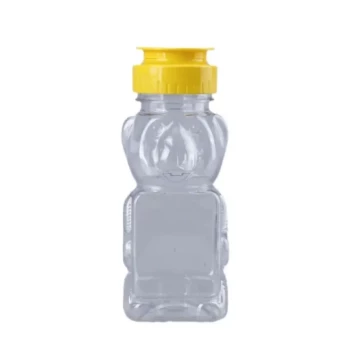
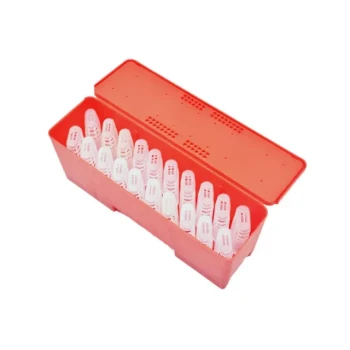
The primary purpose of ventilation holes in plastic collection containers is to sustain the life of nurse bees during the temporary storage and transport phase. These perforations allow for necessary air circulation, preventing suffocation and ensuring the specimens remain alive until they reach the laboratory.
Why this matters: Keeping the specimen alive is not just about preservation; it is a prerequisite for molecular accuracy. Immediate death without preservation leads to rapid biological decay, which compromises the viral RNA needed for diagnostic testing.
The Critical Link Between Airflow and Data Integrity
Preserving Viral RNA Quality
The most urgent reason for using ventilated containers is the chemical instability of RNA.
According to standard protocols, the integrity of viral RNA is paramount for accurate molecular diagnostics.
If a bee dies during transport due to lack of oxygen, enzymatic processes immediately begin degrading this genetic material.
Ensuring Accurate Diagnostic Results
Ventilation allows you to keep the biological "clock" running until you can stop it precisely.
By keeping the bees alive, you ensure that the sample is not degraded before it can be flash-frozen in the laboratory.
This directly correlates to the reliability of the data generated in subsequent viral analysis.
Beyond Ventilation: The Role of the Container Material
Preventing Environmental Contamination
While holes provide air, the solid plastic structure serves as a barrier against external variables.
Industrial-grade sterile plastic is utilized to block cross-contamination from environmental microorganisms.
This ensures that any bacteria detected during analysis originate from the bee itself, not from dirty sampling tools or the surrounding environment.
Standardizing Sample Sizes
The physical design of these containers often includes volume graduations.
This allows for rapid standardization; for example, a 100 mL volume roughly corresponds to 300 honeybees.
Using volume as a proxy for count ensures consistency and comparability across different experimental batches.
Understanding the Trade-offs: Ventilation vs. Ethanol
It is critical to distinguish between live transport (ventilation) and field fixation (ethanol).
The "Live" Protocol (Ventilated)
This method is specific to studies requiring high-quality RNA or live microbiome analysis.
The goal is to transport the bee alive to a freezer (e.g., -80°C) or a -20°C environment.
Ventilation is required here to prevent premature death and decomposition.
The "Fixed" Protocol (Ethanol)
If you are using 70% ethanol, you are prioritizing DNA integrity and morphological preservation (e.g., for Varroa mites or Nosema spores).
Ethanol dehydrates and fixes the tissue immediately, killing the bee but preserving specific biological markers.
Do not use ventilated containers for ethanol storage, as this leads to leakage and evaporation, compromising the preservative concentration.
Making the Right Choice for Your Goal
Select your containment strategy based on the specific biological material you need to extract.
- If your primary focus is Viral RNA Analysis: Use ventilated plastic containers to keep bees alive until they can be deep-frozen in the lab.
- If your primary focus is DNA or Morphology (Mites/Spores): Use sealed, non-ventilated containers filled with 70% ethanol to fix the tissues immediately in the field.
Summary: Ventilation holes are a specific tool for "live capture" protocols, serving as the critical bridge between the hive and the laboratory freezer to protect fragile RNA from degradation.
Summary Table:
| Feature | Ventilated Containers (Live Protocol) | Sealed Containers with Ethanol (Fixed Protocol) |
|---|---|---|
| Primary Goal | Maintain life for high-quality RNA/Microbiome | Preserve DNA and morphological traits (Mites) |
| Key Benefit | Prevents suffocation and rapid decay | Immediate tissue fixation and stabilization |
| Mechanism | Air circulation/Oxygen exchange | Chemical dehydration |
| Sample Target | Viral RNA, live gut bacteria | DNA, Varroa mites, Nosema spores |
| Storage Requirement | Rapid transport to -80°C/-20°C freezer | Room temperature or refrigeration |
Optimize Your Beekeeping Operations with HONESTBEE
Precise sample collection is the foundation of a healthy apiary. At HONESTBEE, we empower commercial apiaries and distributors with more than just tools—we provide the industrial-grade solutions needed for professional success. From sterile sampling containers and high-precision hive-making machinery to advanced honey-filling systems, our comprehensive wholesale catalog covers every aspect of your business.
Whether you are scaling your honey production or supplying the next generation of beekeepers, our expert team is ready to provide the specialized hardware and essential consumables you need to thrive.
Ready to elevate your apiary's efficiency and diagnostic accuracy?
Contact Us Today to Explore Our Wholesale Catalog
References
- Ana Molineri, Marcelo Signorini. Risk factors for the presence of Deformed wing virus and Acute bee paralysis virus under temperate and subtropical climate in Argentinian bee colonies. DOI: 10.1016/j.prevetmed.2017.02.019
This article is also based on technical information from HonestBee Knowledge Base .
Related Products
- Removable Plastic Pollen Trap With Ventilated Tray for Bees Pollen Collector
- Food Grade Plastic Honey Bucket Pail for Beekeeping
- Plastic Transporting Bee Packages and Nuc Boxes for Beekeeping
- Squeezable No-Drip Beehive-Shaped Honey Jars with Flip-Top Cap
- Classic Beehive Honey Bottle Jar with Squeeze Dispenser Lid
People Also Ask
- What are the design principles and advantages of pollen traps in the collection of bee pollen? Boost Your Apiary Yield
- What is the function of professional pollen traps in evaluating honey plants? Quantifying Pollination and Crop Potential
- What functions do pollen traps serve for bee bread production? Optimize Your Raw Material Collection
- What maintenance and pest prevention measures should be taken for pollen traps? Protect Your Hive and Harvest Quality
- How does the use of pollen traps in honeybee hives enhance crop fertilization? Boost Your Yield Through Induced Activity