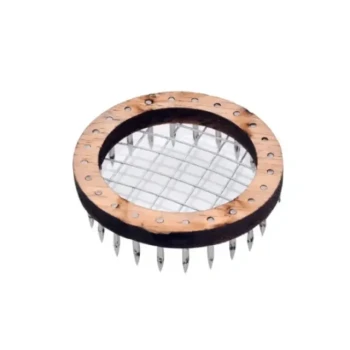
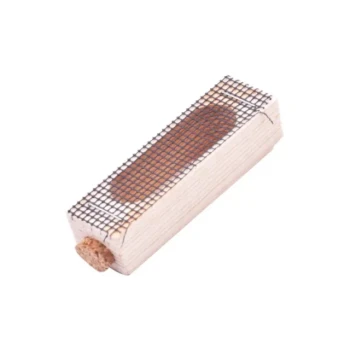
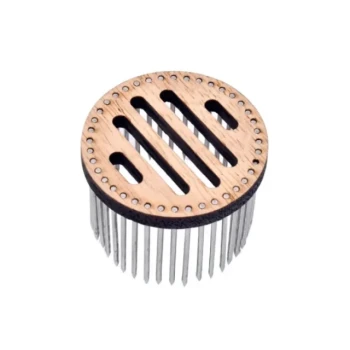
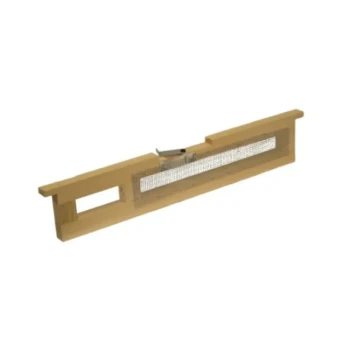
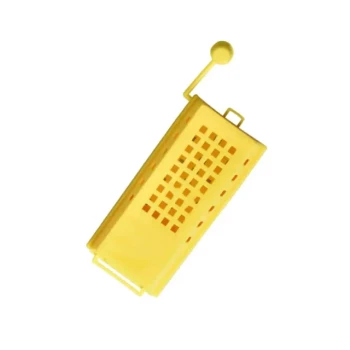
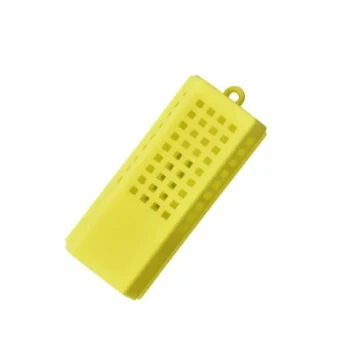
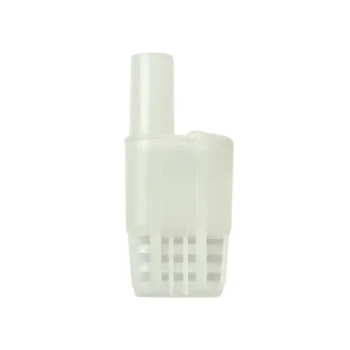
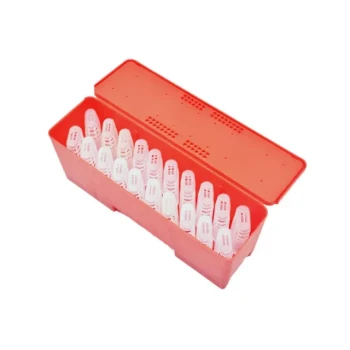
The primary function of standardized wooden queen cages is to establish an independent physical isolation space for virgin honeybee queens. This segregation is critical to prevent the instinctive, fatal conflicts that inevitably occur when multiple queens are present in the same location. Beyond mere separation, these compact containers act as life-support units, allowing for the manual administration of nutritional supplements and the inclusion of attendant bees to simulate a necessary social environment.
Standardized cages solve the biological paradox of queen banking: they allow you to store multiple solitary, aggressive queens in close proximity by physically isolating them while chemically and socially integrating them into a support system.
The Mechanics of Protection and Isolation
Preventing Fatal Conflict
In a natural setting, virgin queens will seek out and kill potential rivals to secure their position as the colony's sole reproductive drive.
Standardized wooden cages neutralize this threat by placing a physical barrier between queens. This allows beekeepers to "bank" or store large numbers of queens within a single colony structure without the risk of fratricide.
Defense Against Worker Aggression
The cage does not just protect queens from each other; it protects them from the banking colony's workforce.
Without the barrier, the worker bees in the rearing or banking colony might view the introduced virgin queens as intruders. The cage prevents the workers from attacking or "balling" (suffocating) the queen while she is being held or acclaimed.
Simulating a Social Environment
The Necessity of Attendant Bees
A queen bee is not a solitary insect; she relies on a retinue of workers for survival.
The design of the wooden cage allows for the inclusion of a small number of attendant worker bees. These attendants are essential for maintaining the queen's physiological health during the banking process.
Nutritional Support via Trophallaxis
Queens cannot feed themselves effectively in isolation.
The attendant bees inside the cage provide nutrition to the queen through trophallaxis (the direct transfer of food). Additionally, the cage design facilitates the manual addition of sugar candy, ensuring a constant carbohydrate source is available for the attendants to process.
Pheromone Maintenance
For a queen to remain viable and accepted, her chemical signature must be maintained.
The miniature social system inside the cage helps the queen maintain the pheromone levels on her body surface. This chemical exchange is vital for her long-term acceptance by a colony and reduces the physiological stress of confinement.
Understanding the Trade-offs
The Limits of Confinement
While these cages provide protection, they are artificial environments that restrict movement.
The "micro-social" system is a compromise. It reduces stress compared to total isolation, but it does not perfectly replicate the freedom of a natural comb. Prolonged confinement without proper monitoring can still impact the queen's physiological potential, such as her vitality or weight.
Observation Requirements
The cage creates a barrier that makes direct physical assessment difficult without opening the unit.
However, the design facilitates visual observation of queen vitality and body weight measurement without direct handling. This allows the beekeeper to assess the quality of the banked queens without risking physical injury to the insect during the inspection.
Making the Right Choice for Your Goal
To maximize the effectiveness of queen banking, you must align your usage of these cages with your specific objective.
- If your primary focus is Queen Banking (Storage): Prioritize the inclusion of healthy attendant bees and monitor candy levels strictly, as the queen relies entirely on this micro-system for nutrition and pheromone maintenance.
- If your primary focus is Introduction/Requeening: Utilize the candy-release feature to create a delayed release mechanism, giving the colony time to accept the queen's pheromones before physical contact occurs.
The standardized wooden cage is not just a container; it is a tool that balances physical security with the social biological requirements of the honeybee queen.
Summary Table:
| Feature | Primary Function | Key Benefit |
|---|---|---|
| Physical Barrier | Prevents fratricide between queens | Ensures 100% survival rate during high-density banking |
| Isolation Zone | Shields queen from worker aggression | Prevents "balling" and accidental injury from the colony |
| Social Design | Accommodates attendant worker bees | Maintains queen's pheromones and physiological health |
| Feeding Portal | Facilitates trophallaxis and candy storage | Guarantees continuous nutrition through social exchange |
Scale Your Apiary Operations with HONESTBEE
At HONESTBEE, we empower commercial apiaries and professional distributors with the high-quality infrastructure needed to succeed. From precision-crafted standardized wooden queen cages to advanced hive-making and honey-filling machinery, we provide the full spectrum of beekeeping equipment and industrial consumables.
Whether you are looking to secure your queen stock or upgrade your production line with honey-themed cultural merchandise, our comprehensive wholesale offerings are tailored to meet your volume requirements.
Ready to elevate your beekeeping business? Contact us at HONESTBEE today to explore our full product portfolio and secure your wholesale pricing.
References
- Bruno Berger, Carminda da Cruz‐Landim. Beekeeping practice: effects of Apis mellifera virgin queen management on ovary development. DOI: 10.1007/s13592-015-0404-8
This article is also based on technical information from HonestBee Knowledge Base .
Related Products
- Wood and Mesh Push-In Queen Cage
- Classic Wooden and Mesh California Queen Cage
- Premium Wood and Steel Push In Queen Cage
- Professional Wooden Requeening Frame for Beekeeping
- Professional Queen Bee Introduction and Transport Cage
People Also Ask
- When is a queen introduced with a push-in cage ready for full release? Key Signs for Maximum Colony Acceptance
- How are queen cages used to protect newly hatched queens? Secure Your Virgin Queens During Development
- Why are queen cages or grid cages used in bee studies? Achieve Precise Biological Data for Research
- What advantages do push-in queen cages offer? Boost Acceptance Rates for Artificially Inseminated Queens
- What is a push-in queen cage and how does it differ from a standard queen cage? Boosting Your Queen Acceptance Rates