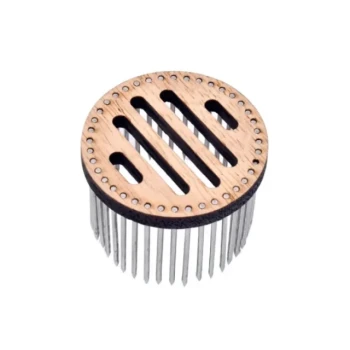
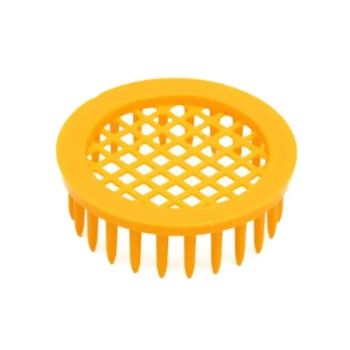
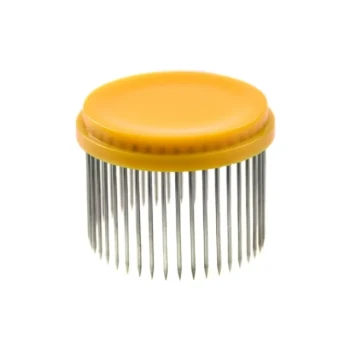
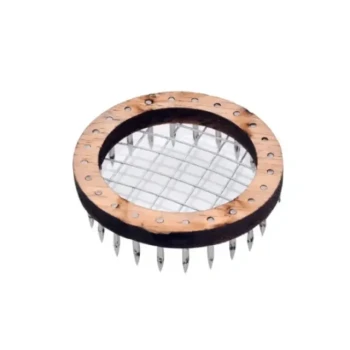
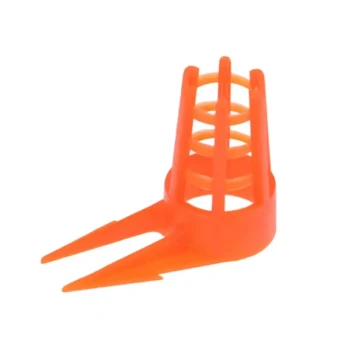
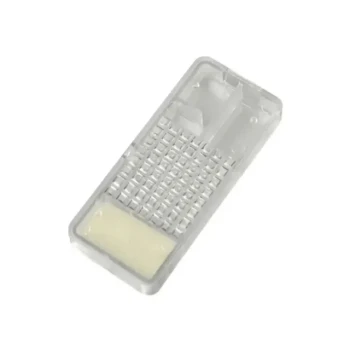
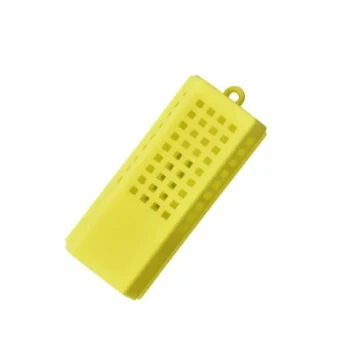
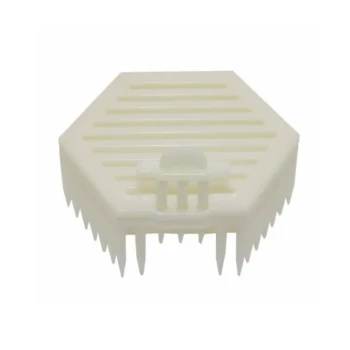
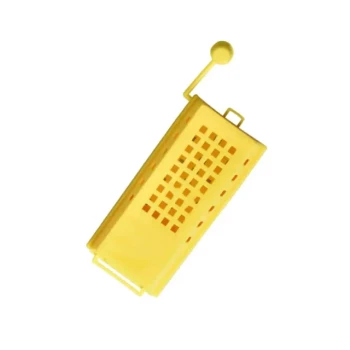
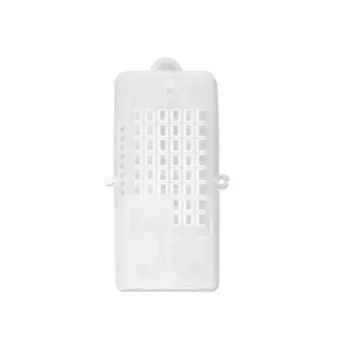
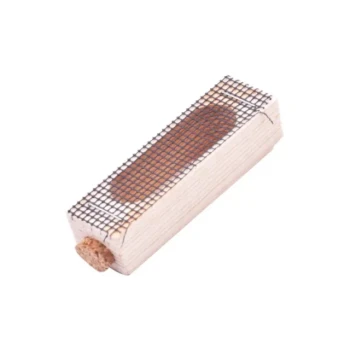
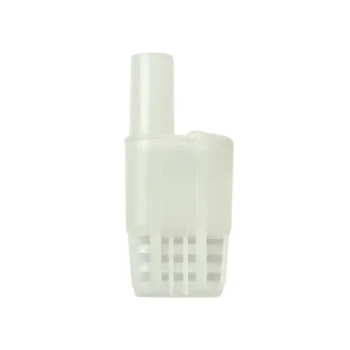
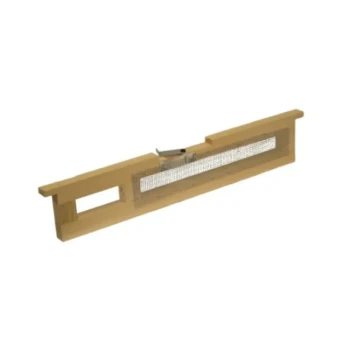
A press-in cage functions by isolating a new queen directly onto a patch of comb within the hive, allowing her to establish herself before facing the colony's general population. To use it, you gently press a wire screen box (typically 4x4 inches) over the queen onto a frame containing emerging capped brood and open honey, ensuring no adult bees are trapped inside.
Core Takeaway The press-in cage is widely regarded as one of the safest introduction methods because it allows the queen to begin laying eggs while protected. A laying queen is biologically more desirable to the colony than a confined one, significantly reducing the risk of rejection or "balling" upon release.
The Mechanics of Biological Acceptance
Leveraging Emerging Brood
The most distinct feature of this method is the inclusion of capped brood that is about to emerge.
Because the cage excludes adult bees from the existing colony, the only bees the queen interacts with initially are those that hatch inside the cage. These young bees have no allegiance to the previous queen and will immediately accept, feed, and groom the new queen.
Changing the Pheromone Profile
Standard cages keep a queen confined and non-productive. The press-in cage allows the queen to roam a small area and, critically, start laying eggs.
Once the queen begins to lay, her pheromone profile shifts. The colony outside the mesh perceives her as a productive "mother" rather than a foreign intruder, making the eventual release much smoother.
Preventing Flight and Injury
A new queen often acts skittish. If released immediately, she may fly off or run, triggering an aggressive response from the workers.
By confining her temporarily over comb, she "settles in" and becomes heavy with eggs. This anchors her to the frame physically and behaviorally, preventing the panic that often leads to failed introductions.
Step-by-Step Application
Selecting the Ideal Frame
You must find a frame that meets two specific criteria: it must have capped brood on the verge of hatching and open cells of honey.
The honey provides immediate food for the queen and the hatching bees. Without this resource enclosed in the cage, the queen could starve before the new workers are able to feed her.
Securing the Cage
Place the queen on the selected area and press the open side of the cage into the wax.
It is vital that no adult bees from the colony are trapped inside. The cage is strictly for the queen and the brood that will hatch to attend to her.
Timing the Removal
This process requires patience, typically lasting several days.
Do not remove the cage based on a set number of hours. Instead, wait until you visually confirm that eggs have been laid in the cells under the cage. This is the signal that she has been accepted by the nurses inside and is ready for the colony outside.
Common Pitfalls to Avoid
The Risk of Comb Irregularities
The most critical technical error is placing the cage over an area of uneven comb.
If the comb has holes or deep depressions under the rim of the cage, small workers from the main colony may squeeze in. If they enter prematurely, they will likely attack and kill the queen. The seal must be tight.
Rushing the Process
A common mistake is introducing the queen too quickly or releasing her before she has started laying.
The supplementary references highlight that failing to monitor the colony or releasing the queen before she has settled defeats the purpose of the cage. If she is not laying, she is not yet "valuable" to the colony.
Making the Right Choice for Your Goal
While standard shipping cages are faster, the press-in cage offers superior reliability for high-value queens.
- If your primary focus is Maximum Success Rates: Use the press-in cage to ensure the queen is laying and attended by young nurse bees before full release.
- If your primary focus is Colony Stability: Use this method to prevent the queen from flying off or being balled by aggressive adult bees during the initial acclimation period.
By allowing the queen to prove her productivity behind the safety of a screen, you turn a hostile takeover into a natural integration.
Summary Table:
| Feature | Press-in Cage Method Benefits |
|---|---|
| Primary Goal | Secure queen introduction via biological acceptance |
| Key Component | Frames with emerging brood and open honey cells |
| Protection | Isolates queen from hostile adult workers |
| Biological Trigger | Allows queen to start laying before full release |
| Success Indicator | Presence of new eggs within the caged area |
| Best For | High-value queens and difficult-to-requeen colonies |
Secure Your Apiary’s Future with HONESTBEE
Successful queen introduction is the cornerstone of a productive hive, but having the right tools is what makes the difference. HONESTBEE specializes in supporting commercial apiaries and distributors with a premium, comprehensive wholesale selection of beekeeping essentials.
From precision-engineered beekeeping tools and machinery to specialized hive-making and honey-filling equipment, we provide the hardware you need to scale your operations. We also supply a wide array of industry consumables and honey-themed cultural merchandise to help you grow your brand.
Ready to upgrade your commercial beekeeping toolkit? Contact us today to explore our wholesale offerings and see how our expertise can drive your success.
Related Products
- Premium Wood and Steel Push In Queen Cage
- Durable Plastic Push In Queen Bee Cage
- Professional Round Push-In Queen Cage with Metal Tines
- Wood and Mesh Push-In Queen Cage
- JZBZ Style Push-In Cell Protector for Professional Queen Rearing Kits
People Also Ask
- What advantages do push-in queen cages offer? Boost Acceptance Rates for Artificially Inseminated Queens
- What is a push-in queen cage and how does it differ from a standard queen cage? Boosting Your Queen Acceptance Rates
- What is a push-in queen cage and how does it differ from standard cages? Achieve Higher Queen Acceptance Rates
- How can a beekeeper obtain a push-in queen cage? DIY vs. Professional Sourcing Guide
- When is a queen introduced with a push-in cage ready for full release? Key Signs for Maximum Colony Acceptance