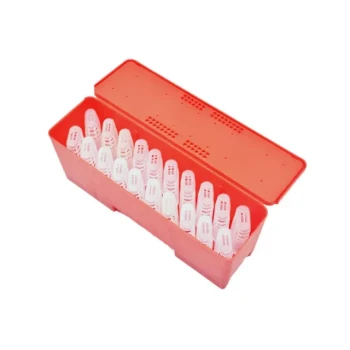
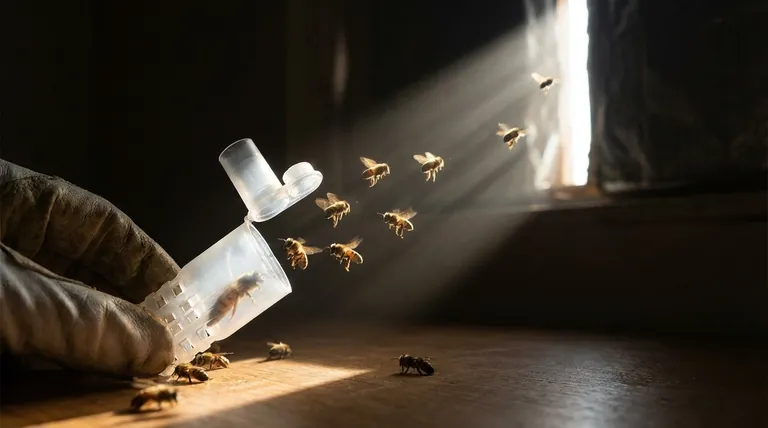
The safest procedure for removing attendant bees from a queen cage involves using a single light source in a closed, secure room. By controlling the light, you can gently lure the attendant bees out of the cage, leaving the queen safely inside and ready for introduction to her new colony.
The core reason for removing attendant bees is to increase the chances of queen acceptance. These attendants carry the pheromones of their original hive, which can signal "intruder" to the new colony and provoke aggression toward the queen they accompany.
The Principle: Why Remove Attendants?
Before detailing the procedure, it's crucial to understand the strategic advantage this step provides. A successful queen introduction is the ultimate goal.
Eliminating Foreign Pheromones
Attendant bees are coated in the specific pheromonal blend of their birth hive. When placed in a new colony, this foreign scent can trigger defensive behavior and hostility from the receiving bees, which may then be directed at the new queen.
Reducing the Risk of Disease
While the risk is often low, attendant bees can potentially carry pathogens or pests from their home apiary. Removing them is a simple biosecurity measure that helps protect your colony's health.
Focusing the Hive on the Queen
Once the cage is in the hive, you want the colony's bees to begin tending to the new queen through the screen. Removing the attendants ensures that the hive's first interactions are solely with the queen, accelerating the acceptance process.
Preparing Your Workspace
Proper preparation is non-negotiable and prevents the simple task from escalating into a problem, such as losing bees or the queen herself.
The Importance of a Secure Location
Choose a room you can completely close off, like a bathroom, garage, or even your vehicle. The goal is to contain any bees that fly out of the cage so you can easily manage them.
The Role of a Single Light Source
Bees are phototactic, meaning they are naturally drawn to light. Your chosen location should have a window you can use as the sole light source. Close all other blinds and turn off all lights. This turns the window into a beacon for the bees.
Handling the Queen Cage Gently
The queen has been through the stress of shipping. Always handle the cage with care, avoiding any jarring, shaking, or dropping that could harm or agitate her.
Two Proven Methods for Removal
With your space prepared, you can choose one of two effective methods.
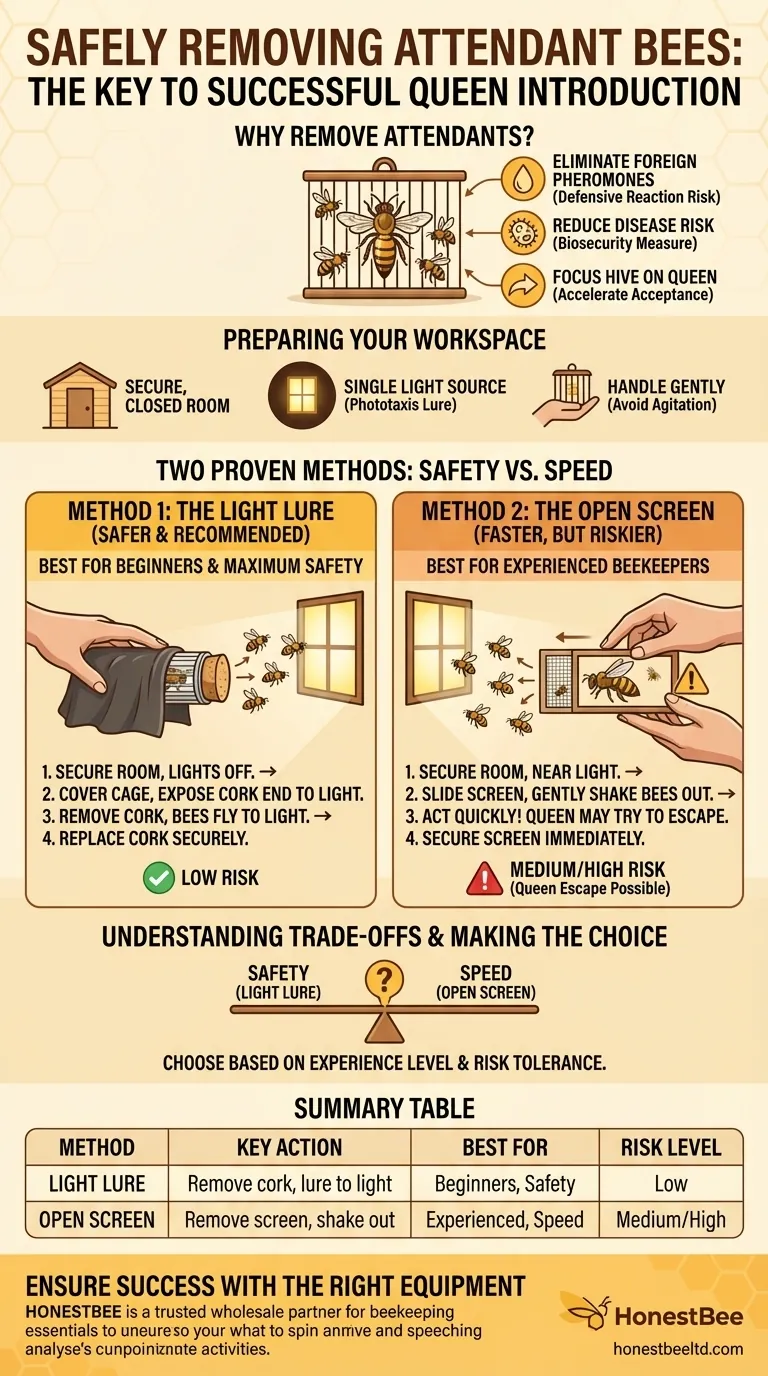
Method 1: The Light Lure (Safer)
This is the most recommended method, especially for those new to the process, as the queen remains securely caged at all times.
- In your sealed room with the lights off, hold the queen cage.
- Cover the cage with a dark cloth or your hands, leaving only the end with the non-candy cork exposed.
- Point this exposed end toward the window.
- Carefully remove the cork. The attendant bees will see the light from the window as their only escape route and will fly out of the opening.
- Once the last attendant has exited, securely replace the cork.
Method 2: The Open Screen (Faster, but Riskier)
This method is quicker but requires steady hands, as it briefly exposes the queen.
- In your sealed room with the lights off, hold the cage near the window.
- Carefully pry off or slide away the screen covering the cage.
- Gently shake the attendant bees out of the cage. They will immediately fly toward the window light.
- The queen is less likely to fly but may try to run out. Be prepared to act quickly.
- As soon as the attendants are out, slide the screen back into place, securing the queen inside.
Understanding the Trade-offs
Neither method is inherently superior; they represent a classic trade-off between safety and speed.
Safety vs. Speed
The Light Lure method is slower but significantly safer. The queen is never given an opportunity to escape. The Open Screen method is much faster but introduces a brief, critical moment where the queen could be lost if you are not careful.
The Risk of Queen Escape
The primary pitfall is losing your queen. If she escapes inside a room or a car, she can usually be recovered from the window. However, an escape outdoors is often irreversible. Your choice of method should be based on your confidence and dexterity.
Making the Right Choice for Your Goal
Selecting the correct procedure depends entirely on your experience level and risk tolerance.
- If your primary focus is maximum safety and avoiding any risk to the queen: Always use the slow and steady "Light Lure" method by removing the cork.
- If you are an experienced beekeeper confident in your ability to move quickly and securely: The "Open Screen" method is a viable, time-saving alternative.
By carefully managing this first step, you are not just handling a bee in a box; you are setting the stage for a calm and successful queen introduction.
Summary Table:
| Method | Key Action | Best For | Risk Level |
|---|---|---|---|
| Light Lure | Remove cork, lure bees to a single light source. | Beginners, maximum safety. | Low |
| Open Screen | Remove screen, gently shake bees out. | Experienced beekeepers, speed. | Medium/High |
Ensure a Successful Queen Introduction with the Right Equipment
A successful queen introduction starts with proper handling and the right tools. As a commercial beekeeper or distributor, your operation's efficiency and success depend on reliable, high-quality supplies.
HONESTBEE is your trusted wholesale partner for all beekeeping essentials, including queen cages and handling equipment. We supply commercial apiaries and equipment distributors with the durable, precision tools needed to manage your hives effectively and maximize productivity.
Let us help you protect your investment and streamline your beekeeping practices.
Contact HONESTBEE today to discuss your wholesale needs and discover how our products can support the health and growth of your colonies.
Visual Guide
Related Products
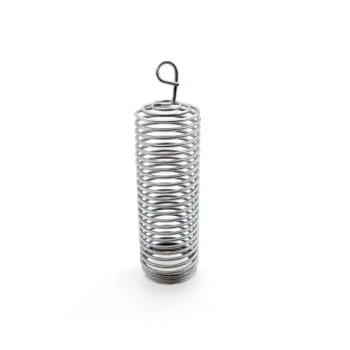
- Durable Galvanized Steel Spring Queen Bee Cage
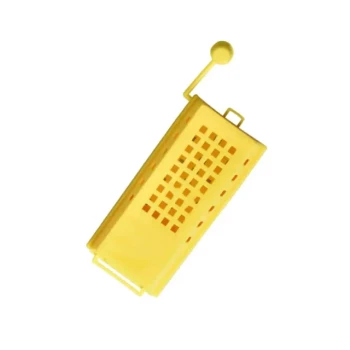
- Professional Queen Cage with Sliding Gate and Feeder Plug
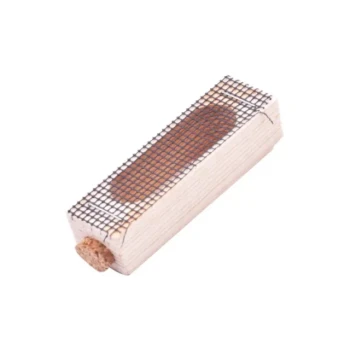
- Classic Wooden and Mesh California Queen Cage
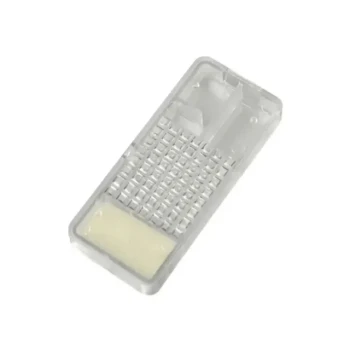
- Professional Queen Bee Introduction and Transport Cage
- Professional Multi-Functional Queen Bee Cage
People Also Ask
- Why are specialized queen bee cages used for the banking of mated queen bees? Maximize Commercial Apiary Storage Efficiency
- What is the mechanism of action for using temporary queen bee cages? Master Successful Queen Introduction
- What is the step-by-step process for installing a queen bee's cage onto a frame? Ensure Hive Acceptance Safely
- What is the optimal placement for a queen bee cage? Essential Strategies for Successful Re-queening
- What are the advantages and disadvantages of introducing a queen bee by embedding the cage? Boost Your Queen Acceptance