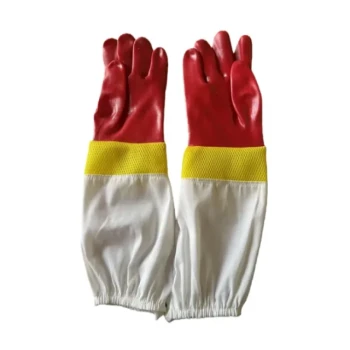
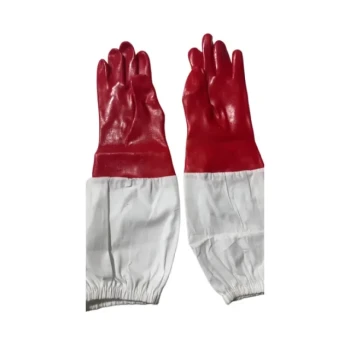
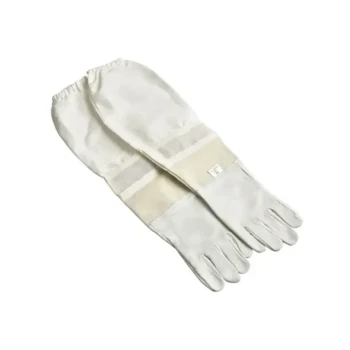
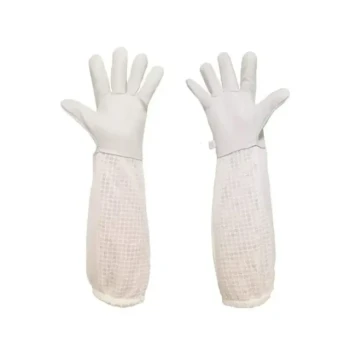
The proper fit for beekeeping gloves is decidedly snug. Unlike standard gardening gloves, which may be worn loosely, beekeeping gloves must sit close to the skin to prevent bees from crawling inside and to maximize your manual dexterity. A correct fit ensures there is no excess material at the fingertips, allowing you to handle delicate hive components without clumsiness or accidental crushing of bees.
The Core Balance: The ideal glove fit occupies a narrow middle ground: tight enough to act as a second skin for precise tool manipulation, but loose enough to preserve blood circulation and prevent hand fatigue during long inspections.
The Critical Importance of a Snug Fit
Maximizing Dexterity
The primary reason for a snug fit is tactile sensitivity. You must be able to feel the weight and texture of frames to lift them gently.
If gloves are too loose, the excess material at your fingertips causes clumsiness. This often leads to accidentally crushing bees, which releases alarm pheromones and can trigger a defensive reaction from the colony.
Preventing Bee Entry
Bees are naturally inclined to crawl into dark, warm crevices. A loose glove cuff or wrist gap invites bees to enter the glove, trapping them against your skin.
A proper fit ensures the glove does not slide down or gap at the wrist. The cuff should be long enough to interact securely with your suit, creating a seamless barrier.
Anatomy of the Perfect Fit
Hand and Finger Tightness
The glove should hug the palm and fingers. You should not feel significant air pockets around your fingers, nor should the leather or fabric bunch up when you close your fist.
However, the fit must not be restrictive. If the glove is too tight, it will cut off circulation, reducing sensitivity and causing hand cramps.
Wrist and Cuff Coverage
Quality beekeeping gloves feature extended gauntlets that cover the forearm. These should reach roughly to the elbow.
The fit around the wrist is crucial; it must be secure enough to prevent sliding. Most beekeepers tuck the glove gauntlet under the sleeve of their bee suit for maximum security, though some designs go over. A snug wrist fit facilitates either method.
Understanding the Trade-offs
Protection vs. Precision
There is an inherent trade-off between the thickness of the material (protection) and the closeness of the fit (precision).
Thicker gloves offer more sting protection but reduce feedback. If you choose thicker gloves, the fit becomes even more critical—if they are thick and loose, you will have almost no tactile control.
Comfort vs. Security
Long, heavy gauntlets offer the best protection for your arms but can limit breathability.
While ventilation is important for comfort, never sacrifice the snugness of the hand fit for a cooler feel. A sweaty hand is manageable; a hand that cannot feel a queen bee is a liability.
How to Measure and Verify
Measuring Width
To find your base size, measure the circumference of your dominant hand just below the knuckles, excluding the thumb. This generally dictates the width sizing (Small, Medium, Large).
Measuring Length
Measure from the base of your palm to the tip of your middle finger. This ensures the fingers of the glove will not be too short (causing strain) or too long (causing loss of dexterity).
The Functional Test
The only way to truly verify fit is movement. Put the gloves on and attempt to pick up a dime or manipulate a hive tool. If you cannot perform fine motor tasks, the gloves are likely too large or too thick.
Making the Right Choice for Your Goal
Selecting the right fit often depends on your experience level and tolerance for stings.
- If your primary focus is Maximum Safety (New Beekeepers): Prioritize a slightly thicker glove with a rigid, snug wrist seal and long gauntlets to ensure zero bee entry, accepting a slight loss in fine motor control.
- If your primary focus is Hive Management (Experienced): Prioritize the tightest comfortable fit with thinner leather or nitrile, maximizing your ability to feel the frames to minimize bee agitation.
Ultimately, the right glove should feel like a natural extension of your hand, not a clumsy barrier between you and the hive.
Summary Table:
| Fit Aspect | Ideal Condition | Benefit |
|---|---|---|
| Hand & Fingers | Snug "second skin" fit | Maximizes tactile sensitivity & prevents crushing bees |
| Fingertips | No excess material | Allows for precise manipulation of delicate frames |
| Wrist/Cuff | Secure & gap-free | Prevents bees from crawling inside the gloves |
| Mobility | Tight but not restrictive | Ensures blood circulation & reduces hand fatigue |
Elevate Your Beekeeping Operations with HONESTBEE
At HONESTBEE, we understand that the right gear is the foundation of a productive apiary. Whether you are a commercial beekeeper managing thousands of hives or a distributor seeking high-quality supplies, we provide the precision-engineered tools you need to succeed.
Why Partner with Us?
- Comprehensive Wholesale Range: From perfectly fitted leather and ventilated gloves to heavy-duty beekeeping suits.
- Advanced Machinery: Boost your efficiency with our professional-grade honey-filling and hive-making machines.
- Full-Spectrum Support: We supply everything from essential consumables to honey-themed cultural merchandise.
Ready to equip your business with the industry's best hardware? Contact us today to explore our wholesale offerings and see how HONESTBEE can streamline your honey production.
Related Products
- Beekeeping Gloves Goatskin Leather with Long Cotton Sleeve for Beekeepers
- Heavy Duty Red Rubber Beekeeping Gloves with Vented Mesh Cotton Sleeves
- Heavy Duty Red Rubber Beekeeping Gloves with Extended Pure Cotton Sleeves for Beekeepers
- Goatskin Leather Beekeeper Gloves with Vent Long Sleeve for Beekeeping Honey Bee Sting Proof Protection
- Premium Ventilated Goatskin Beekeeping Gloves with Full 3-Layer Mesh Sleeve
People Also Ask
- What are the characteristics of the best gloves for beekeeping? Choose Protection & Dexterity
- What are the primary purposes of using beekeeping gloves? Protect Your Hands and Ensure Apiary Hygiene
- What types of gloves are available for beekeeping? Choose the Right Protection for Your Hive
- Why is it important for beekeepers to wear gloves? Essential Safety and Confidence for Hive Management
- Why do some experienced beekeepers opt not to wear gloves? Discover the Benefits of Tactile Precision